Serving Nashville and Middle TennesseeFree Estimate
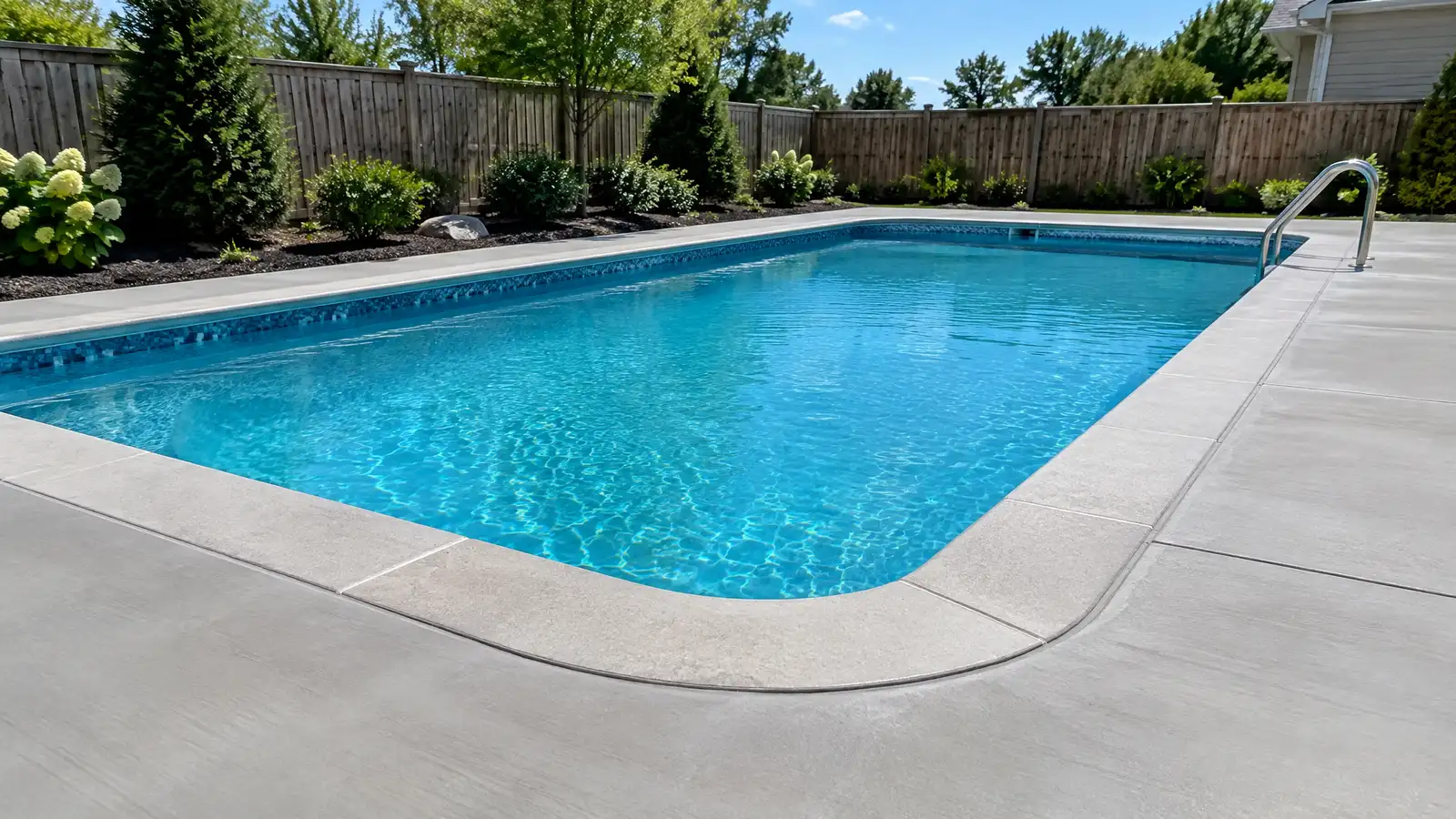
Raising and re-leveling sunken concrete around a pool so water drains away and the deck is safe to walk on.
The concrete around a pool takes a lot of abuse: heavy furniture, wet soil, chemical splashes and changes in moisture. Over time slabs can sink or tilt, leaving gaps at the coping, puddles that never dry and edges that catch feet. For pool owners around Nashville, restoring the deck is both a safety and an appearance project.
Your specialist checks deck slope and seams, looks for voids and examines the gap at the pool coping. Slabs are lifted with foam or slurry so water runs away from the pool, and expansion joints are cleaned and resealed with pool-safe products. Cracks are sealed, and the surface can be resurfaced or textured for traction if needed. Drains and surrounding soil are checked to keep the deck stable.
Even edges, good slope and a textured surface reduce the chance of slips and trips around a wet area.
The joint between the deck and the pool shell is cleaned and resealed so water does not seep behind it.
Raising slabs restores the pitch that carries splash and rain away from the pool and the house.
Sealants and fillers are chosen for chemical and water exposure, and the plan explains what is used.
Drag the handle to compare.
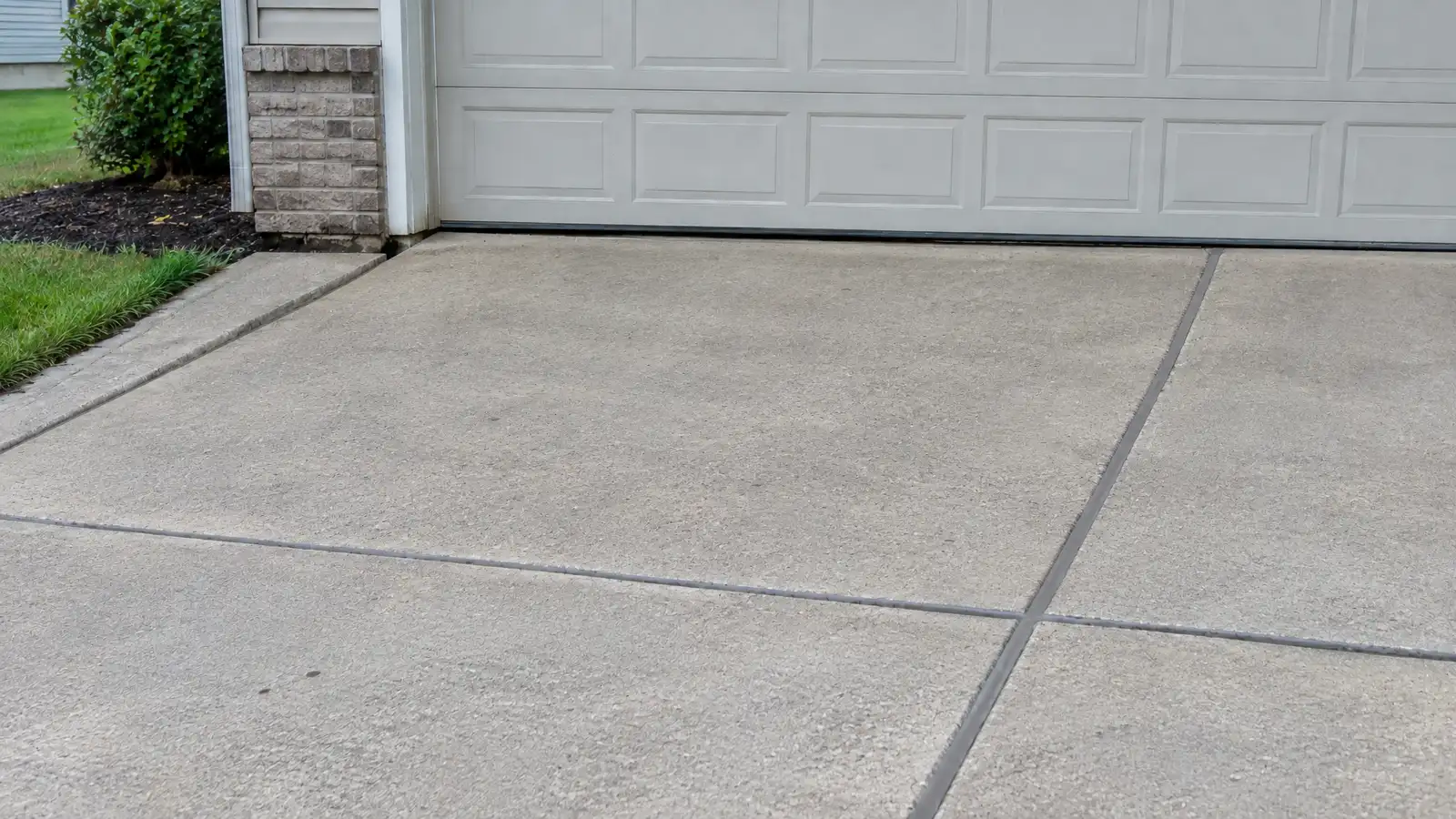
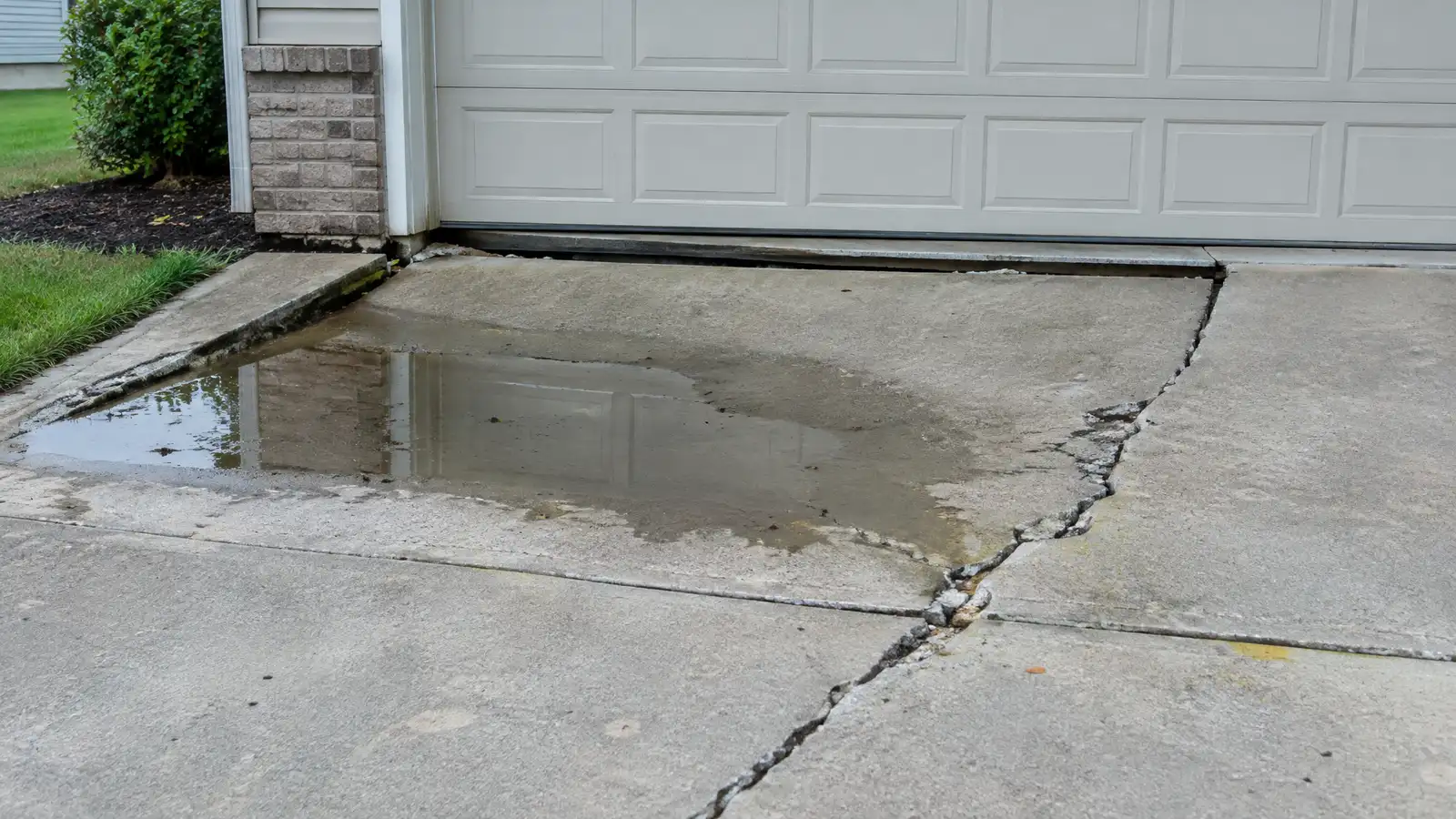 BeforeAfter
Slopes, gaps and cracks.
Foam or slurry chosen.
Level restored.
Pool-safe sealant used.
Resurface or texture where planned.
Water paths confirmed.
Every topic has its own page with what to expect and how we approach it.
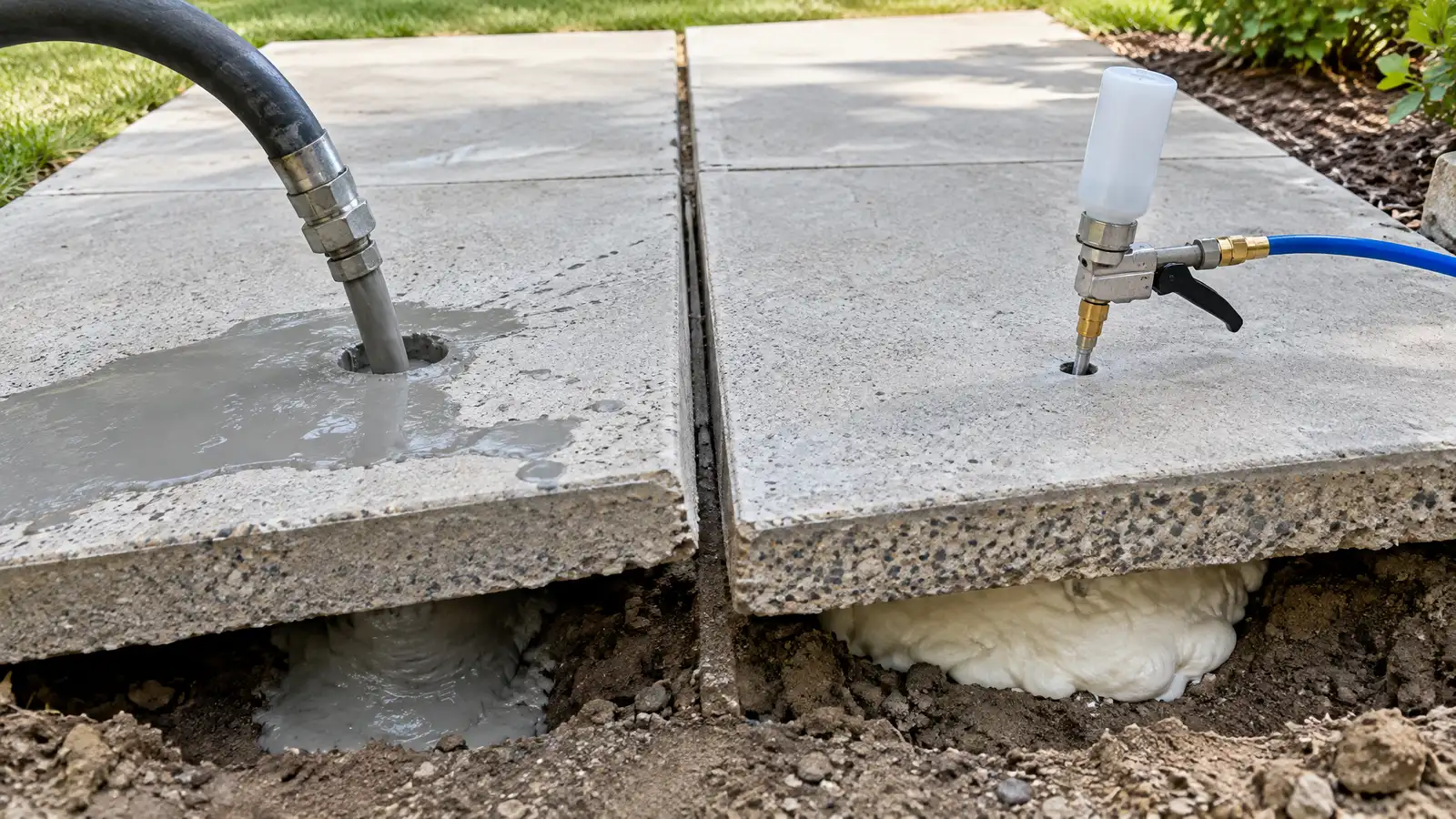 Comparison guideSlabjacking vs FoamHow cement slurry mudjacking and polyurethane foam differ in weight, hole size, curing time, use and fit for…Learn more
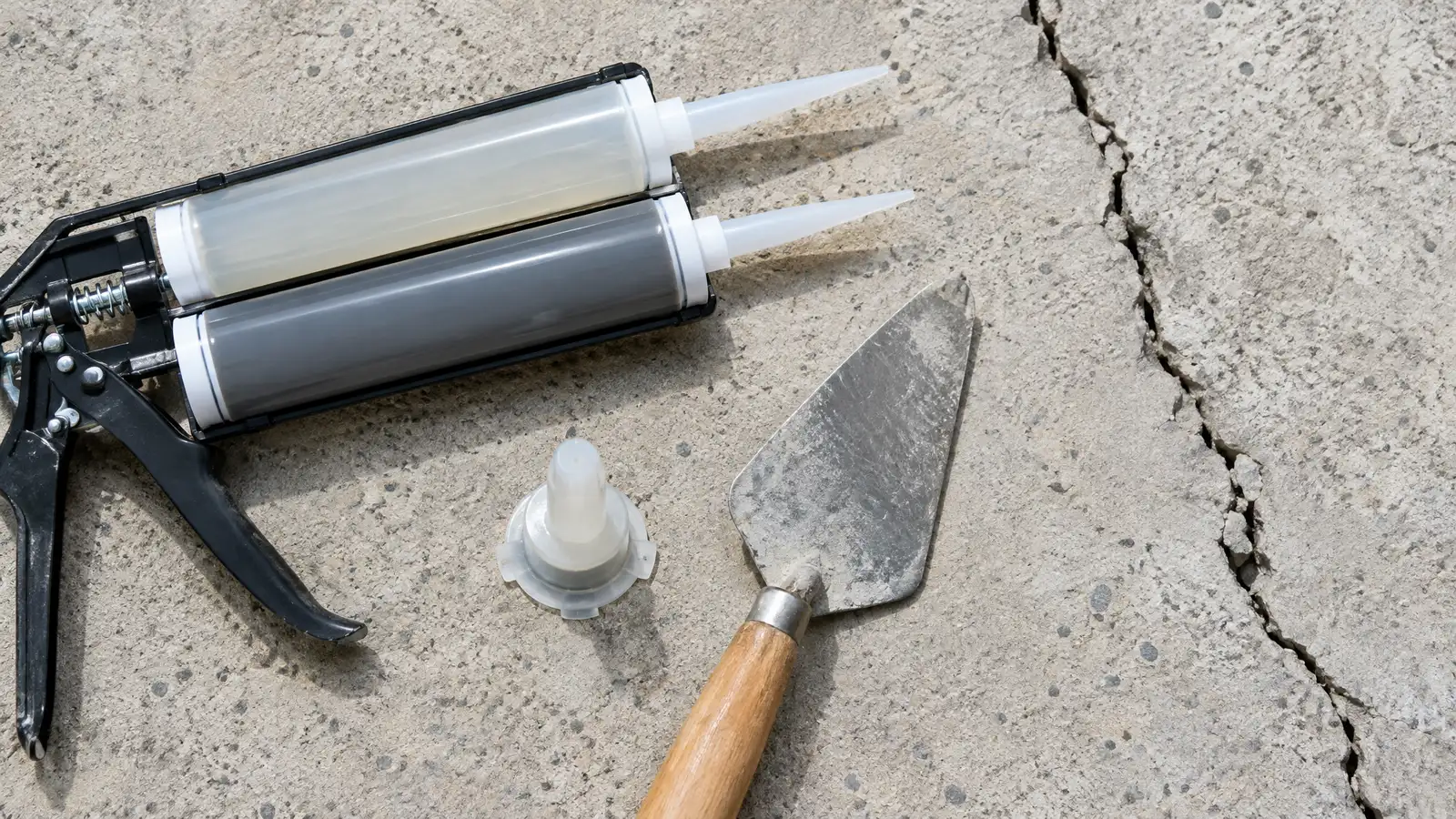 Comparison guideCrack Repair MaterialsHow epoxy, polyurethane, polyurea and cement-based fillers differ in flexibility, strength, leak control and best use.Learn more
 ResourceACIA technical society that develops concrete standards, publications and education used by designers, contractors and inspectors.Learn more
Pick what you see in your walls, floors, basement, crawl space or concrete to get likely causes, what to try first and the service page that fits.
You tell us what you see and where the property is. One call sets up a visit that fits your day.
A specialist walks the inside and outside, checks cracks, floors, moisture and drainage and takes measurements and photos.
You receive a plain written scope with the cause, the method, the location of each repair and the schedule before anything begins.
Utility marking is requested where digging is needed, access is protected and materials and any engineering are lined up.
Supports, drains, sealing or lifting are completed in a clear order, with photos and checks along the way.
The site is cleaned up, the work is explained on a walk-through and care and monitoring tips are shared.
Often yes, since lifting works from the top of the slab. Your specialist reviews the pool and deck to plan safely.
Careful, measured lifting avoids stress on the pool shell, and your specialist plans around plumbing and equipment.
It is the joint between the deck and the pool edge. Keeping it sealed helps prevent water from getting behind the deck.
Textured finishes and coatings can add traction, and your specialist explains options.
Plumbing is located and protected, and any concerns are discussed before lifting.
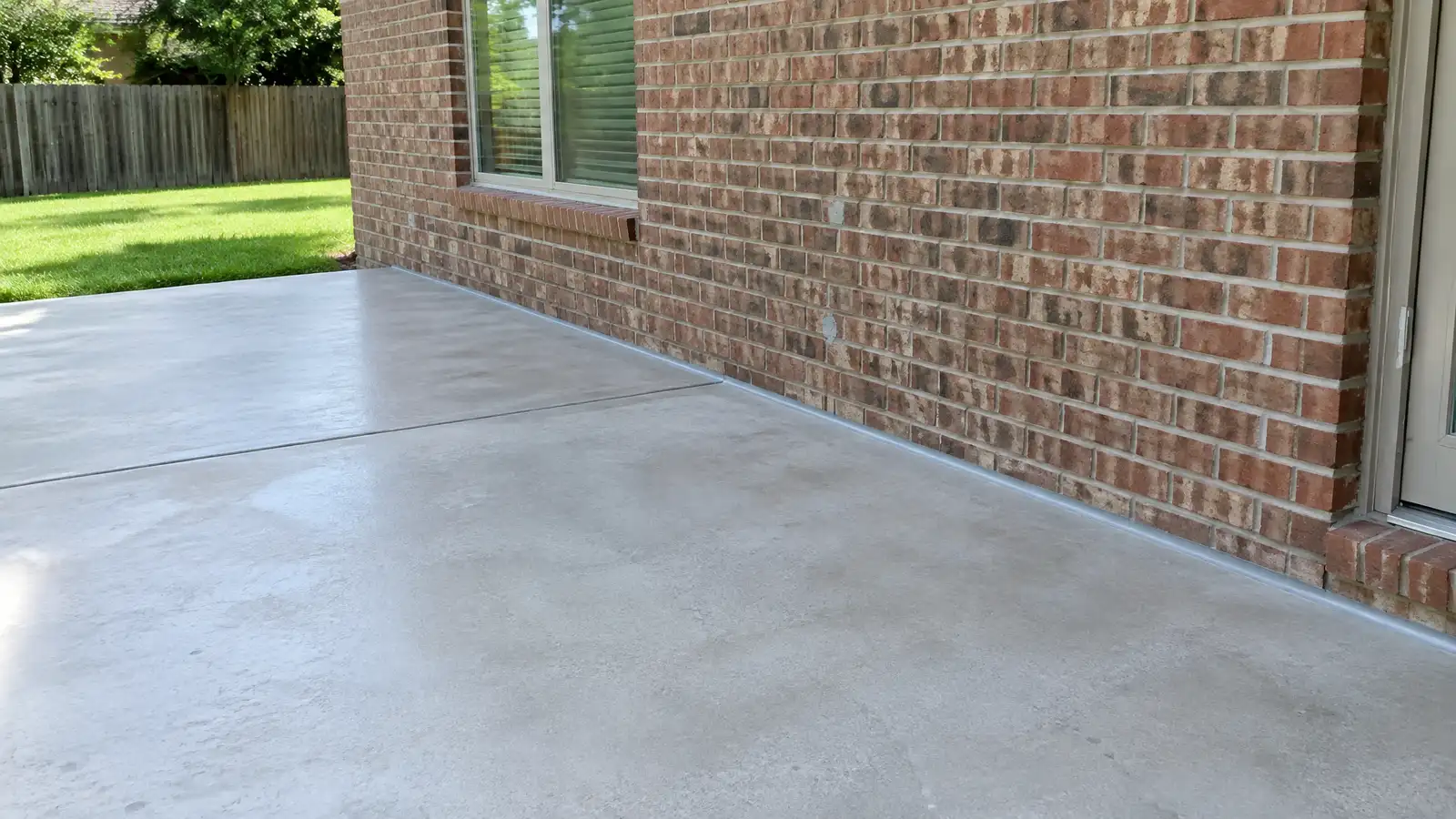 Patio and Porch Slab LiftingLifting sunken patios, porches and stoops back against the house so water drains away and steps meet the…Explore
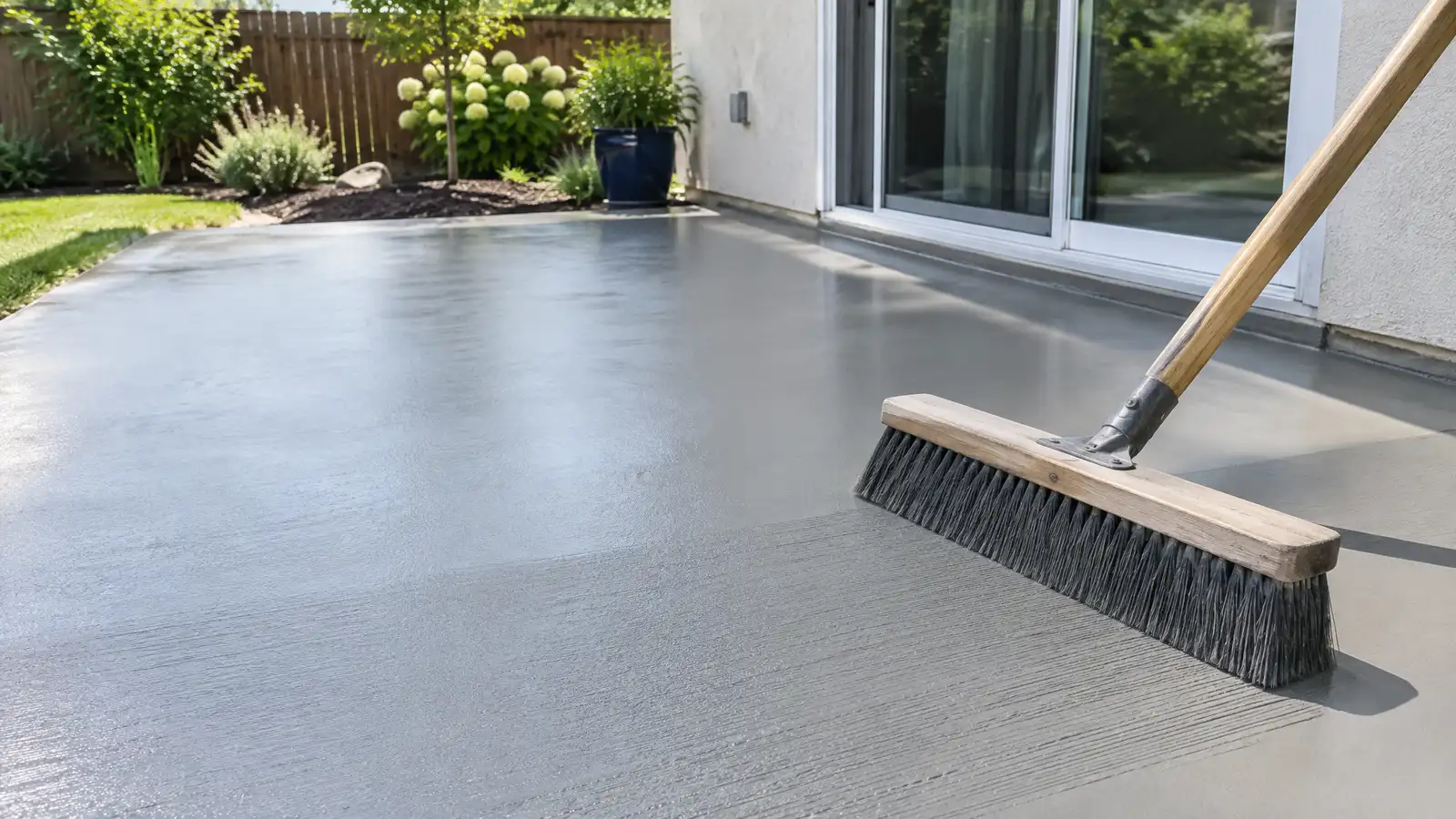 Concrete Resurfacing and Spalling RepairRestoring worn, flaking or pitted concrete surfaces with repair mixes, overlays and coatings that look fresh and last.Explore
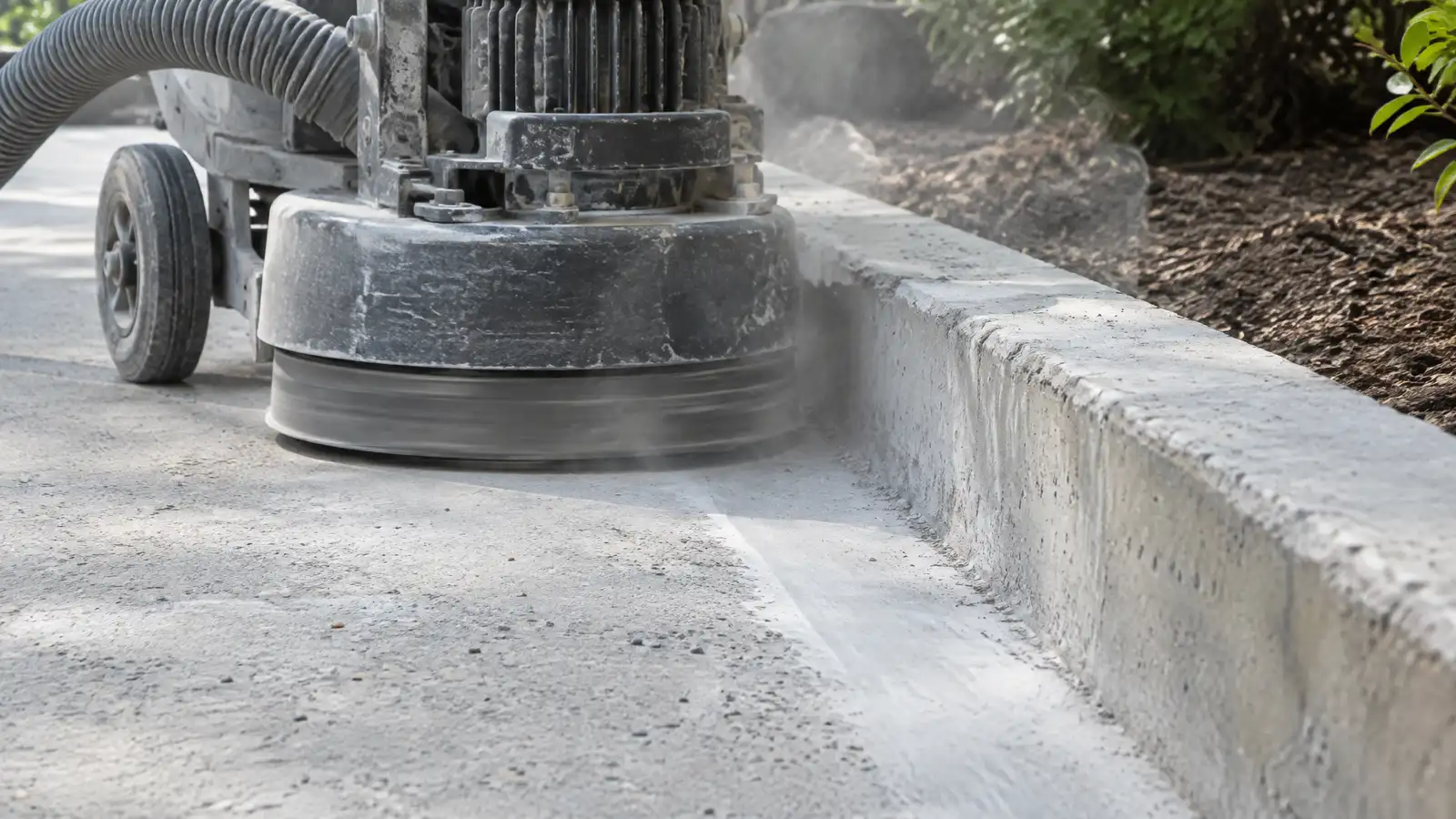 Trip Hazard RemovalMaking uneven concrete edges safe with grinding, lifting and patching, for homes, businesses and public walkways.Explore
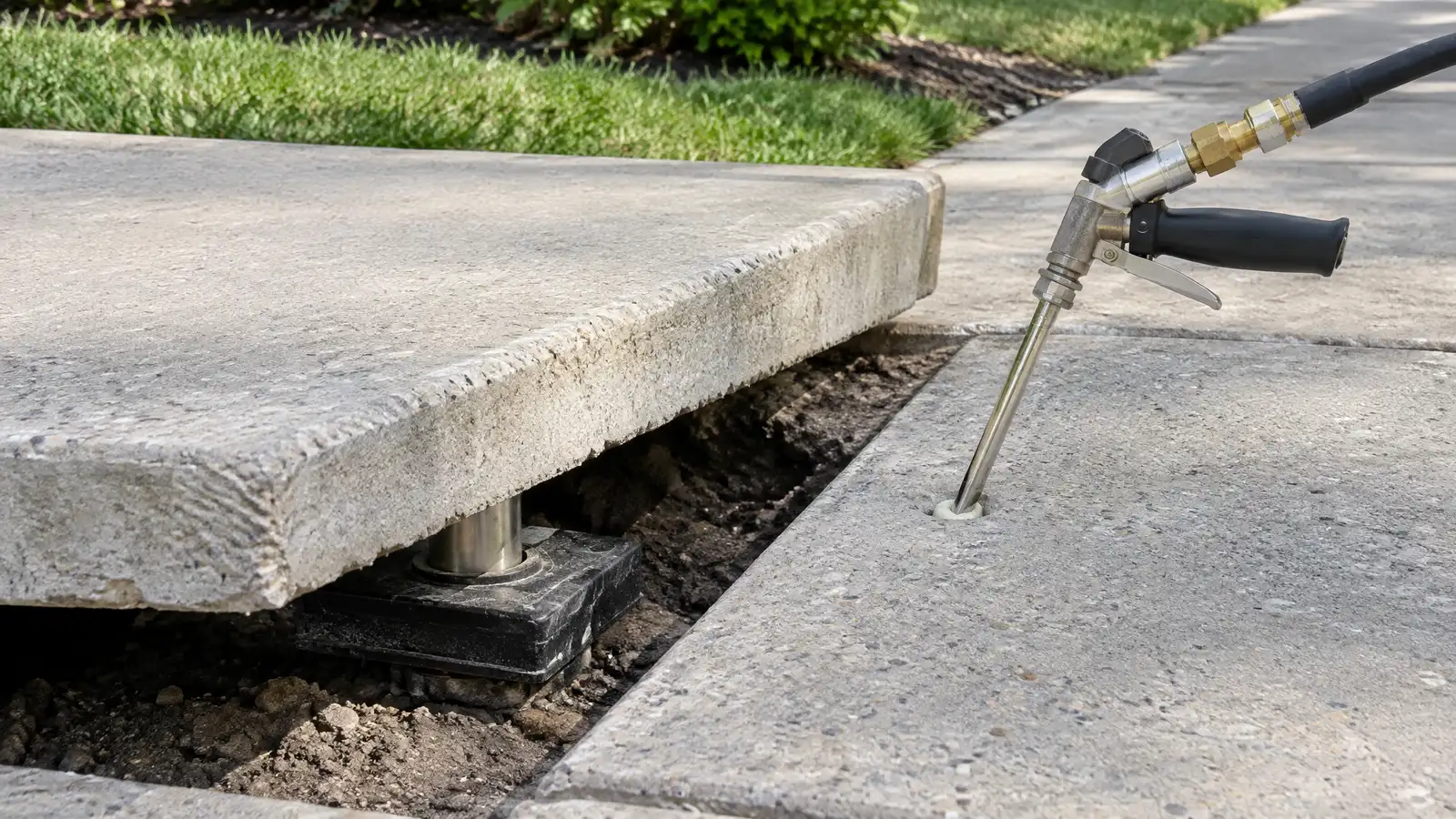 Polyurethane Foam Concrete LiftingLightweight expanding foam injected under sunken concrete to fill voids, lift the slab and stabilize it with minimal…Explore
Tell us about your property and one specialist will call you back to set up a visit.
Or call (615) 431-3789 to talk now.