Serving Nashville and Middle TennesseeFree Estimate
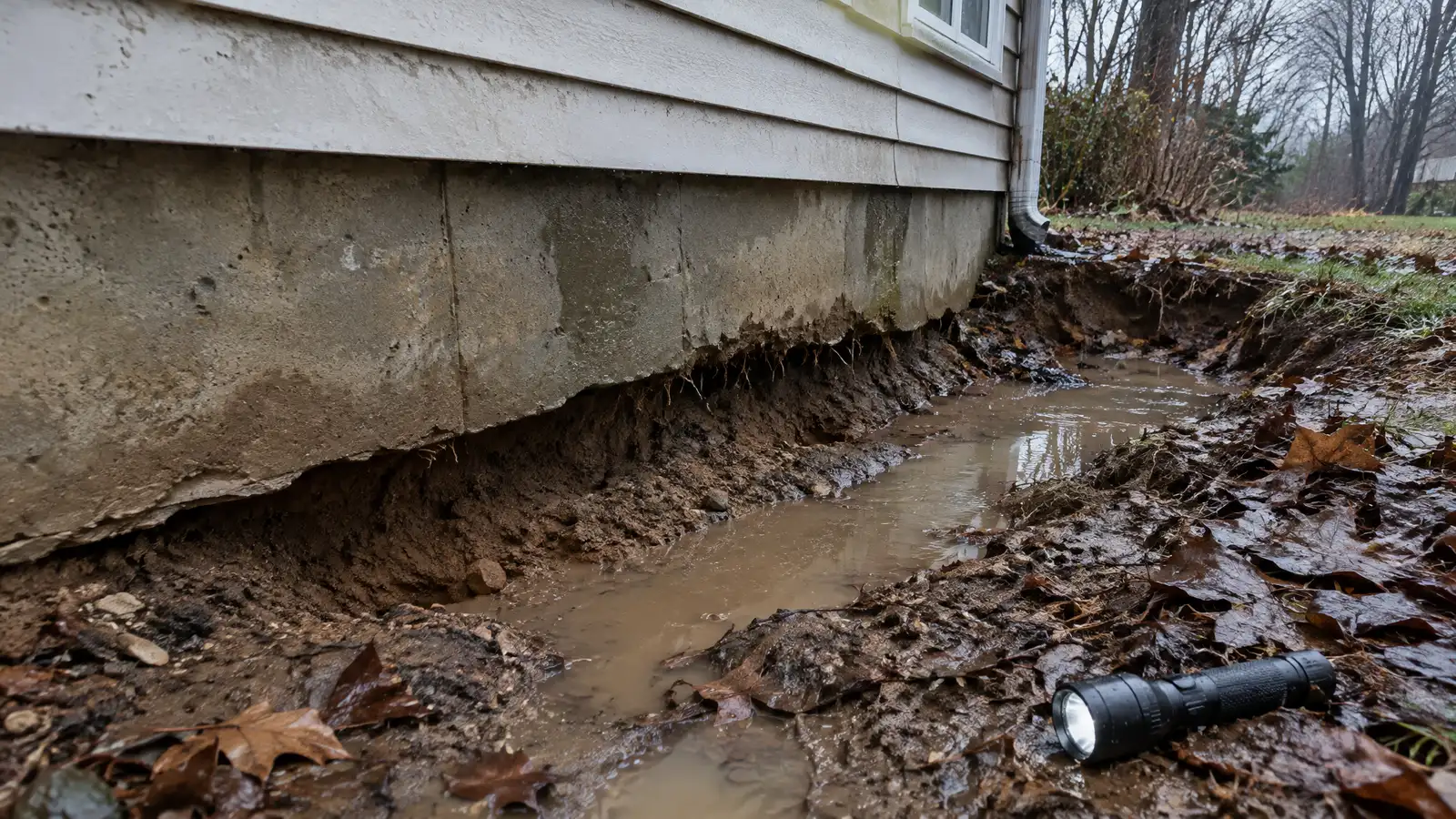
A prompt look at foundations, crawl spaces and basements after heavy rain, flooding or storms to catch damage early.
Middle Tennessee has seen storms and floods that soaked soil, filled crawl spaces and flooded basements. After water leaves, the real questions begin: did the soil wash out, did a wall shift, is the crawl space still wet? A post-storm assessment finds problems while they are small and gives you a record to share with others who need to see it.
Your specialist checks the exterior for washed-out soil, shifted walls and drainage failures, then inspects crawl spaces, basements and slabs for standing water, moisture and new cracks. Photos and notes document conditions, and priorities are laid out clearly, from safe steps you can take now to repairs that can wait. You receive a written summary you can use for your own records.
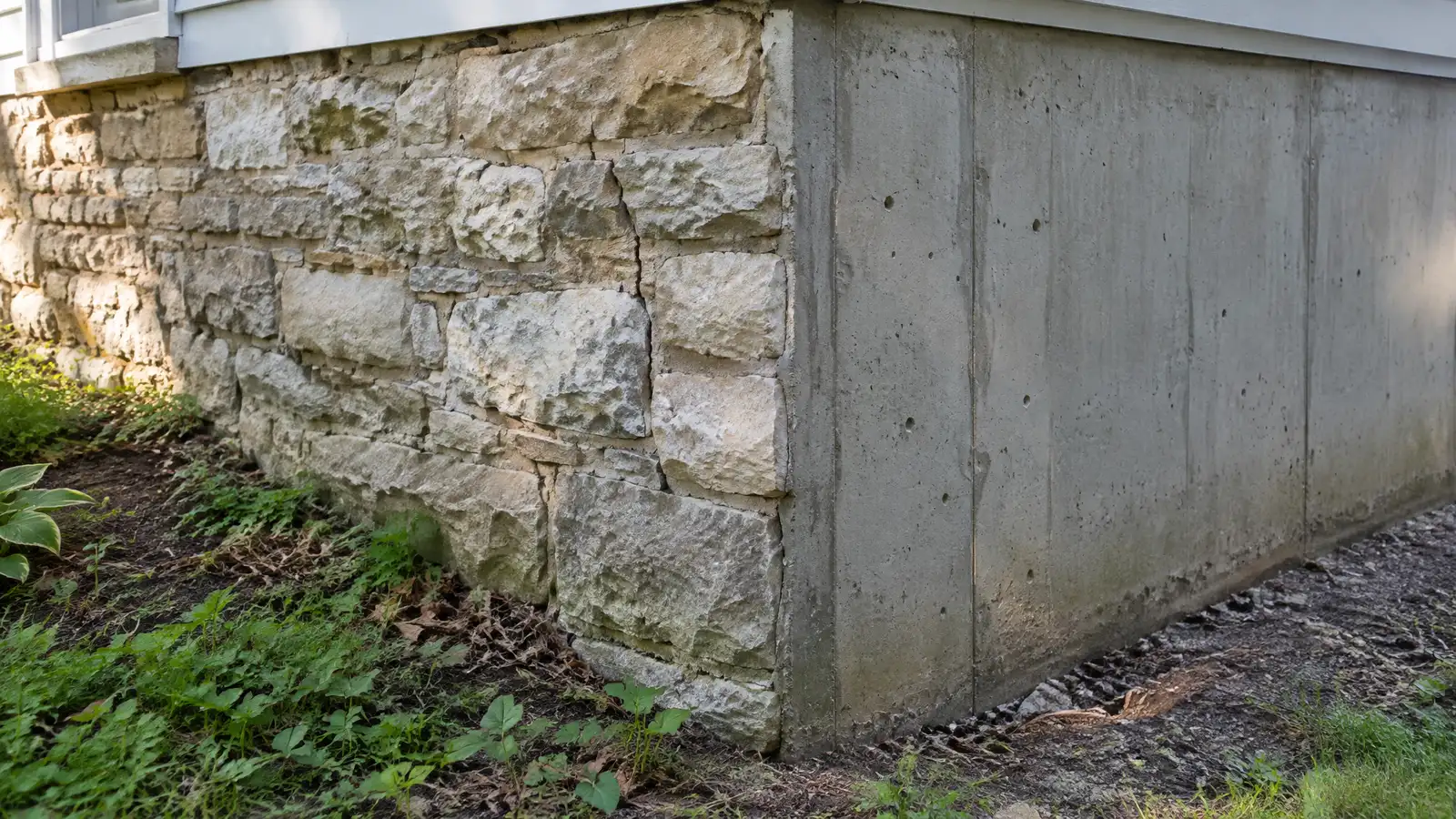
Erosion near footings, gaps beside the foundation and settling of backfill are looked for first.
Standing water, wet insulation and damp soil in crawl spaces are noted and traced to their source.
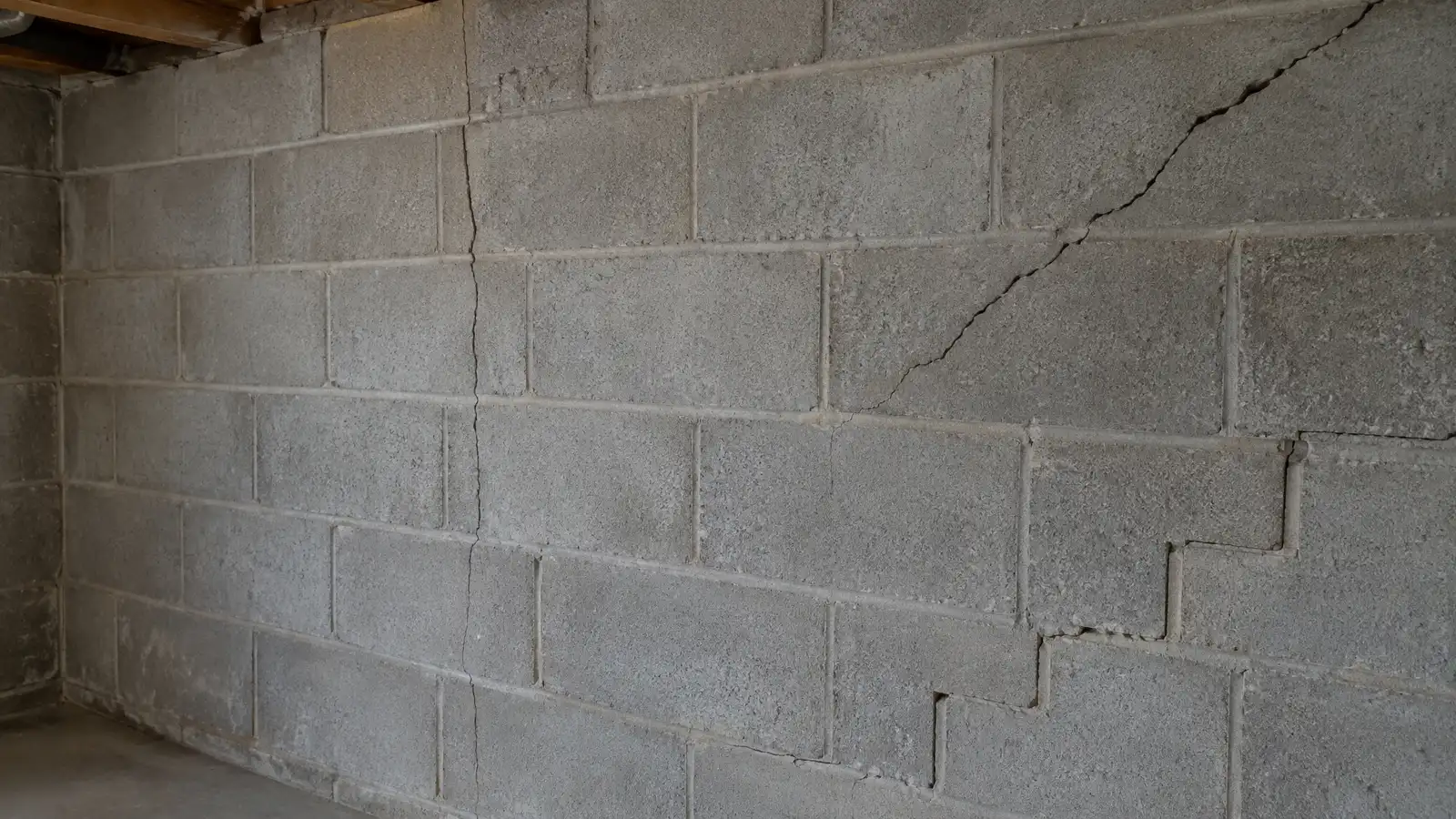
Fresh cracks, doors that changed and floors that shifted after the event are recorded.
Urgent items are separated from those that can wait, so you spend effort where it counts.
Drag the handle to compare.
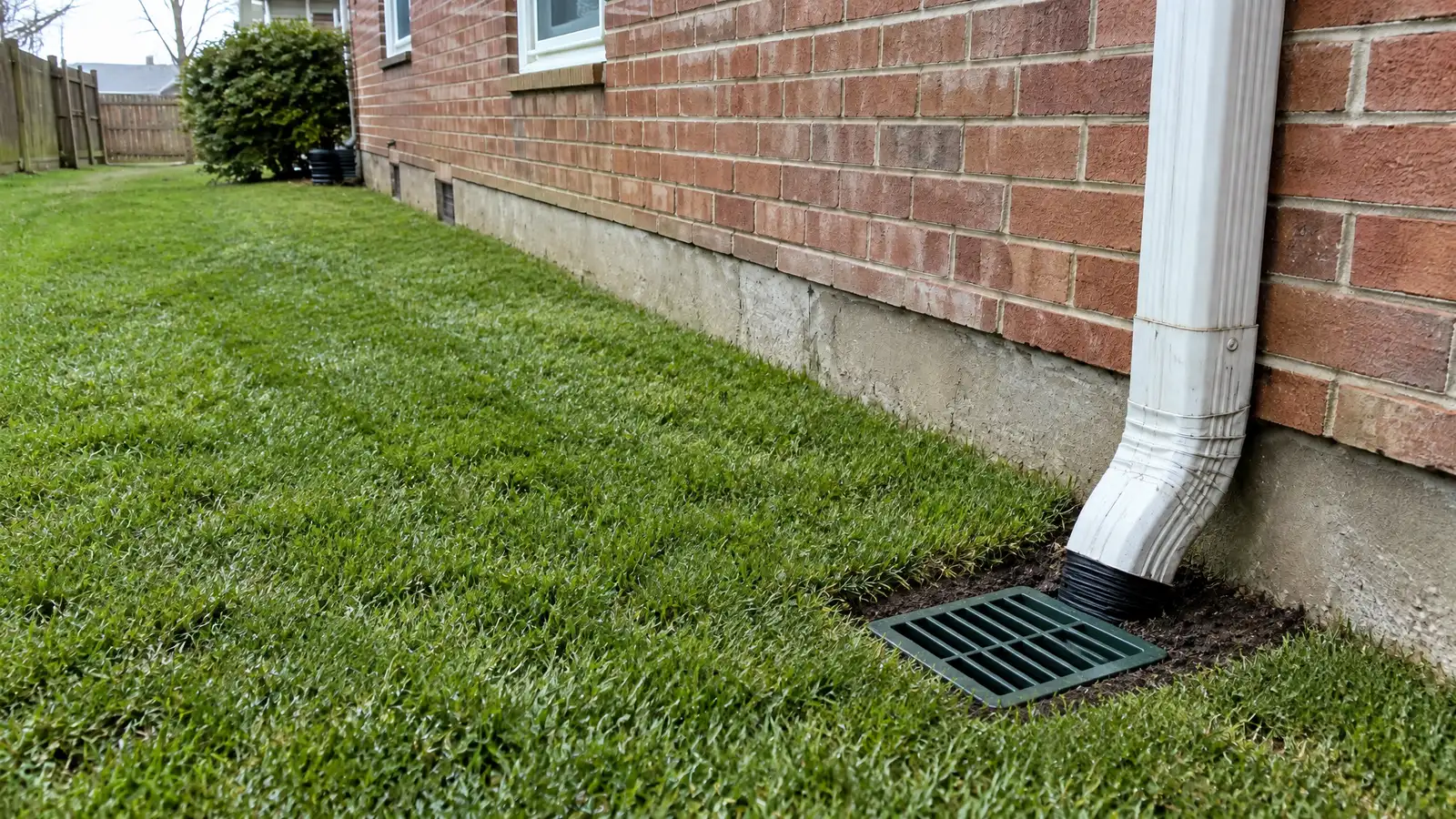
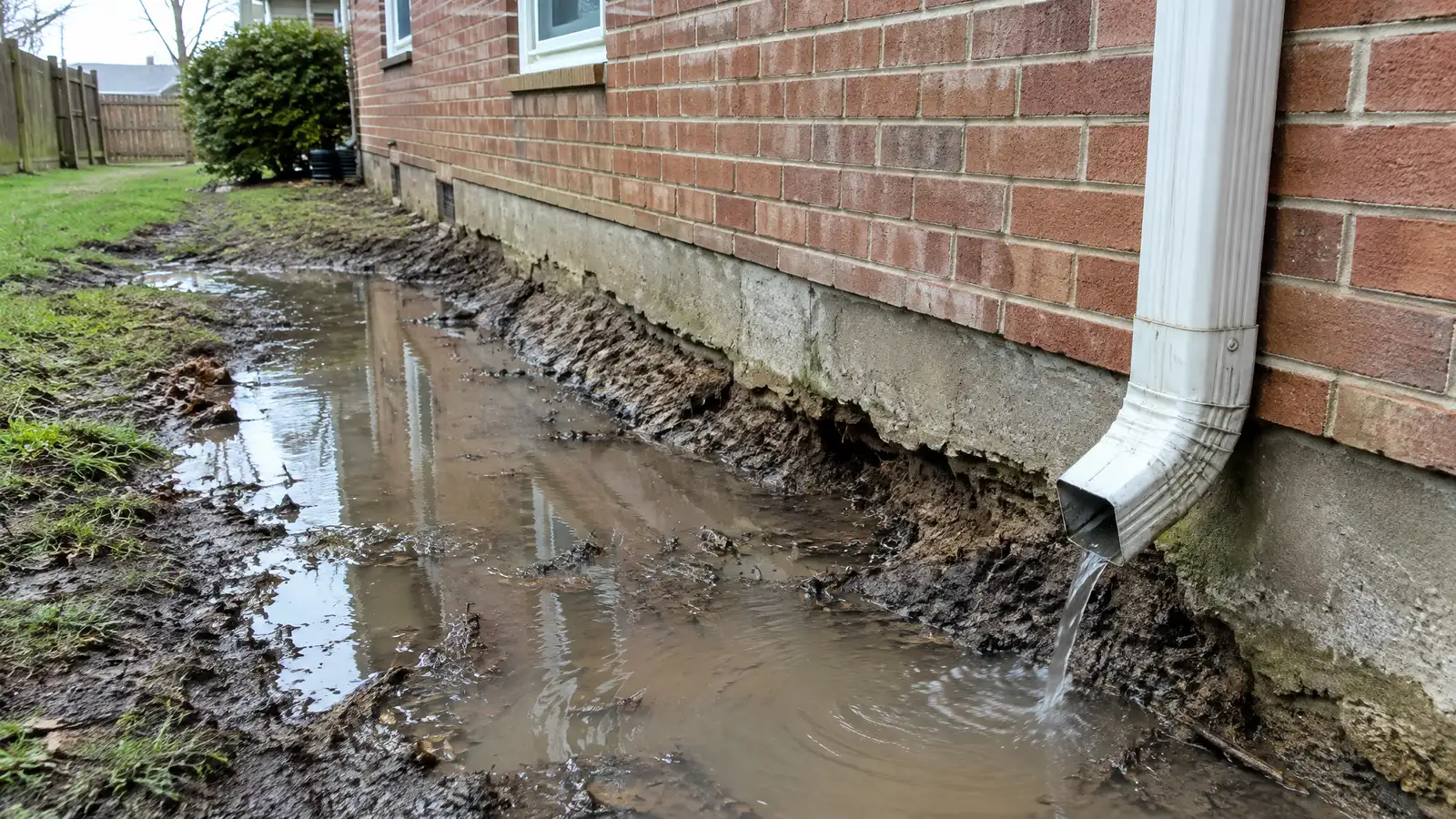 BeforeAfter
Electric and structural risks noted first.
Soil, drains and walls reviewed.
Crawl space, basement and slab inspected.
Photos and notes with dates.
Now, soon and later.
Next steps laid out clearly.
Every topic has its own page with what to expect and how we approach it.
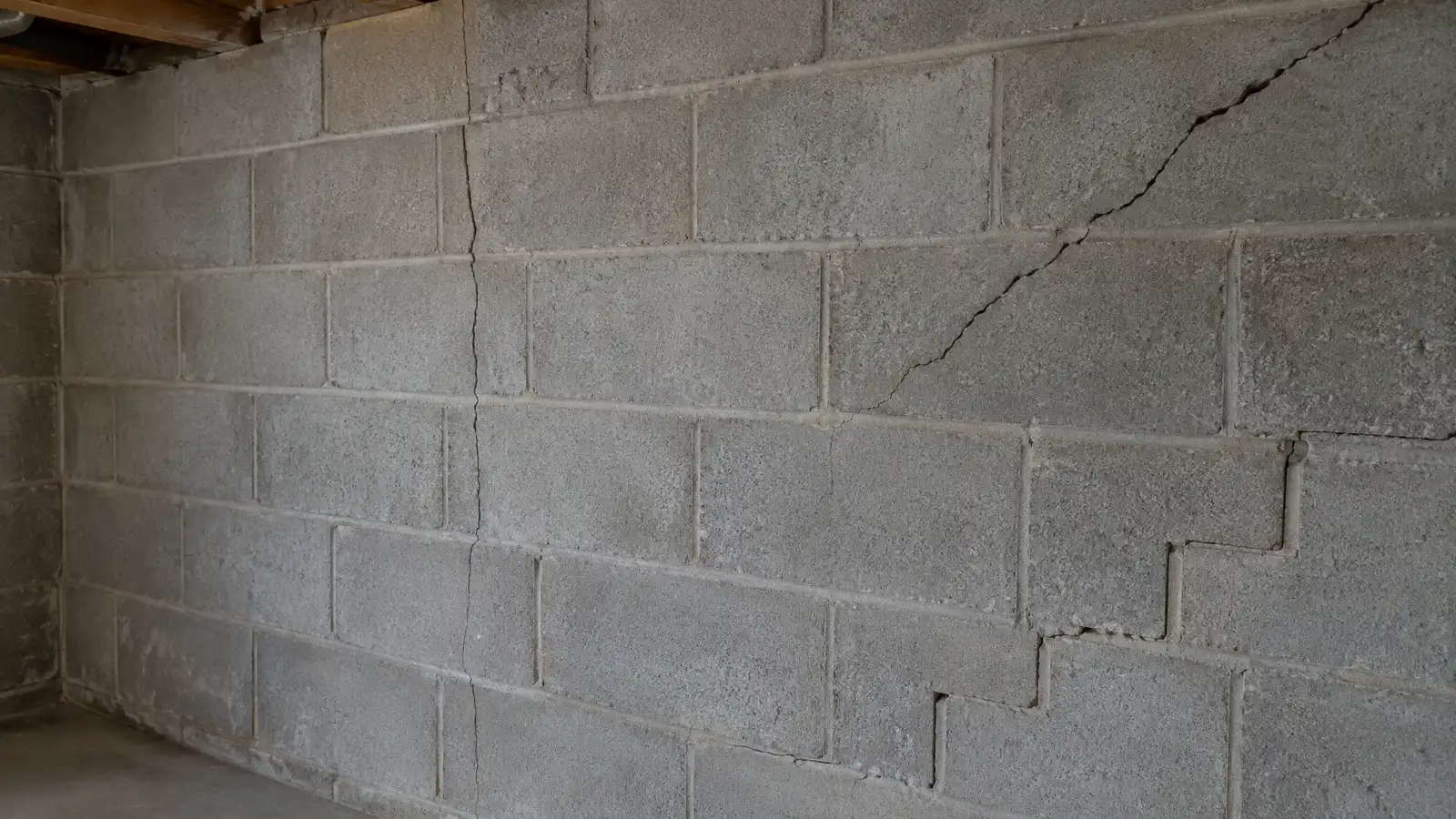 Comparison guideCrack TypesHow hairline, vertical, diagonal, stair-step and horizontal cracks differ in what they usually mean and what to do…Learn more
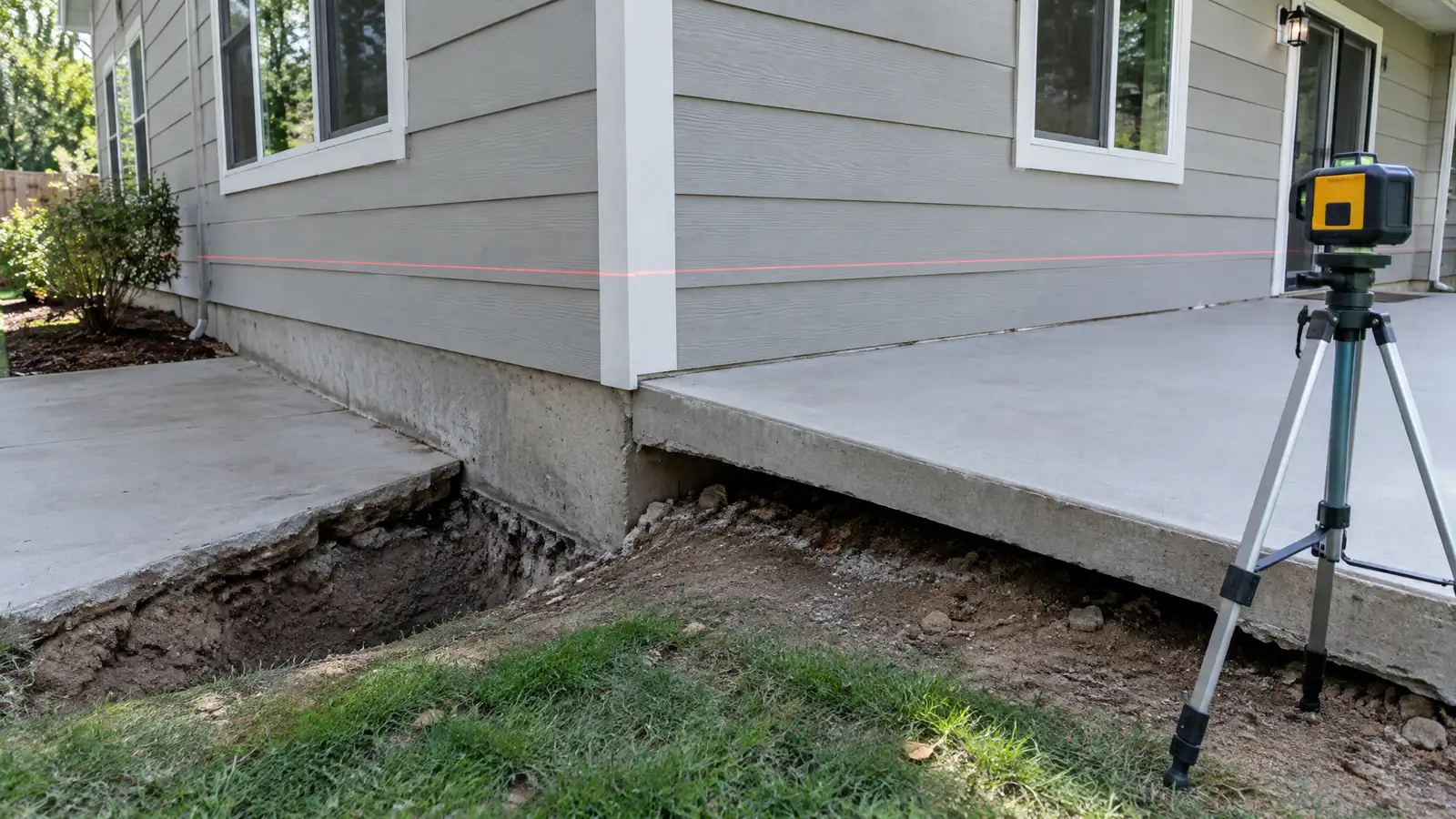 Comparison guideSettlement vs HeaveHow a foundation that sinks differs from one that lifts, what usually causes each and how repairs differ.Learn more
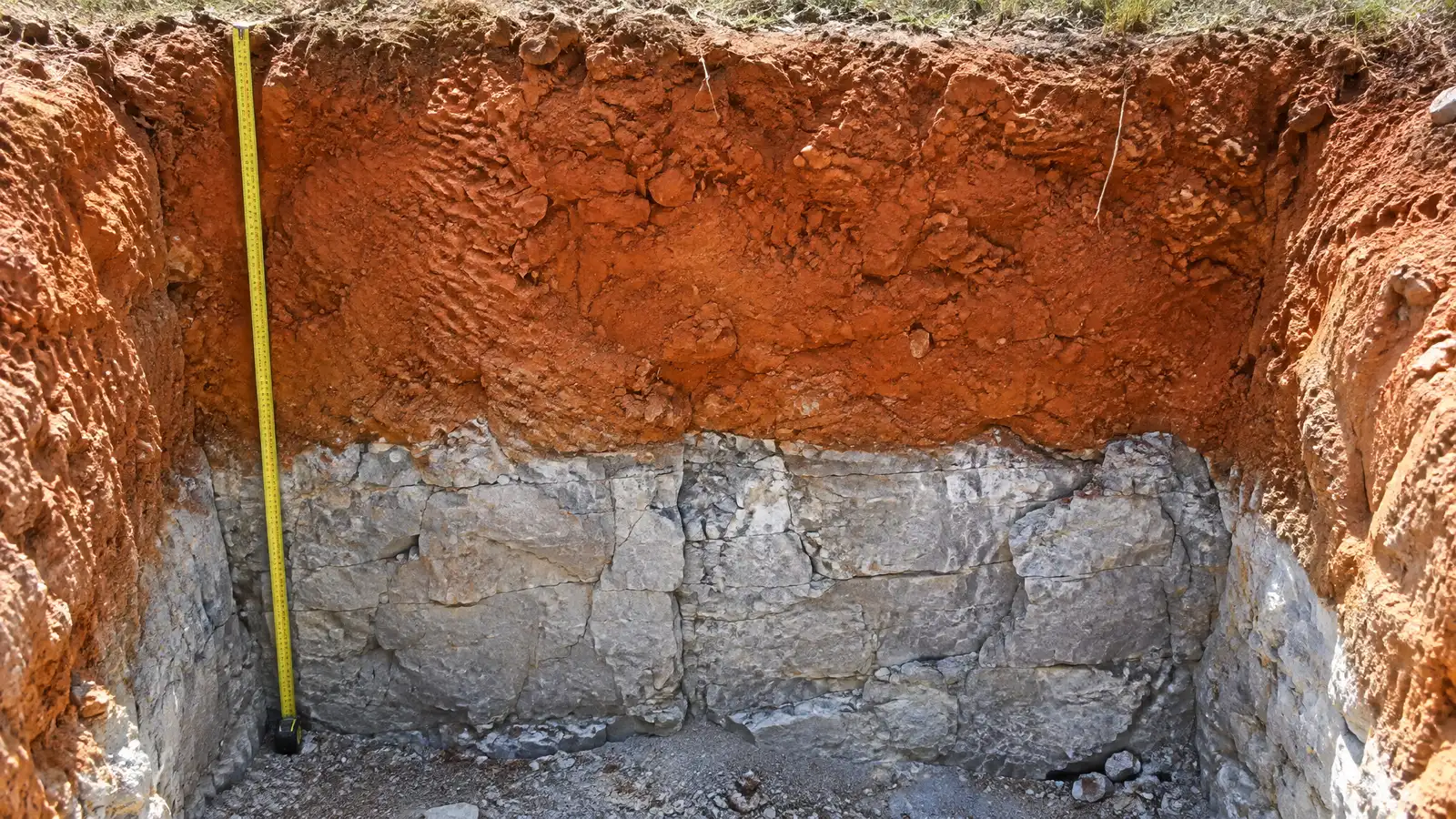 Comparison guideClay and Karst SoilsHow expansive clay, shallow limestone and karst features shape foundations, drainage and sinkhole risk across Middle Tennessee.Learn more
Pick the project and options to see a typical sequence from estimate and engineering to utility marking, repair and cleanup.
You tell us what you see and where the property is. One call sets up a visit that fits your day.
A specialist walks the inside and outside, checks cracks, floors, moisture and drainage and takes measurements and photos.
You receive a plain written scope with the cause, the method, the location of each repair and the schedule before anything begins.
Utility marking is requested where digging is needed, access is protected and materials and any engineering are lined up.
Supports, drains, sealing or lifting are completed in a clear order, with photos and checks along the way.
The site is cleaned up, the work is explained on a walk-through and care and monitoring tips are shared.
As soon as it is safe to do so. Early documentation helps and early drying limits further problems.
Stay out of flooded areas with live electricity, take photos and note the water level and time.
It can, through erosion, pressure and soil movement. An assessment shows whether that happened.
Your specialist provides clear photos and a written summary you can share, while claim decisions rest with your insurer.
Wet materials can grow mold, so drying quickly matters. Your specialist can point you to testing or cleanup resources.
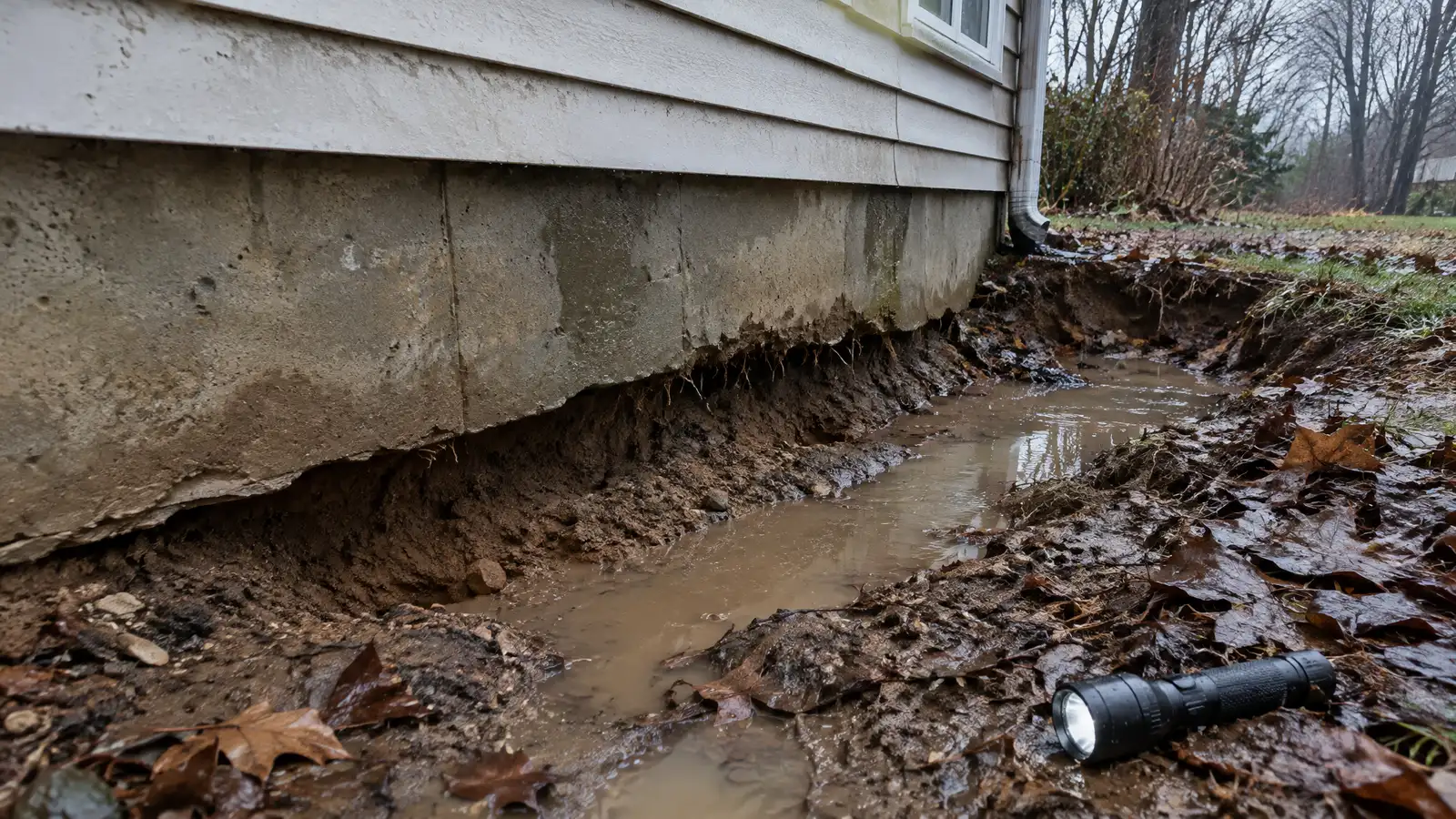 Emergency Foundation ServicesFast help for sudden foundation movement, flooding, collapsing walls or damage after storms or accidents.Explore
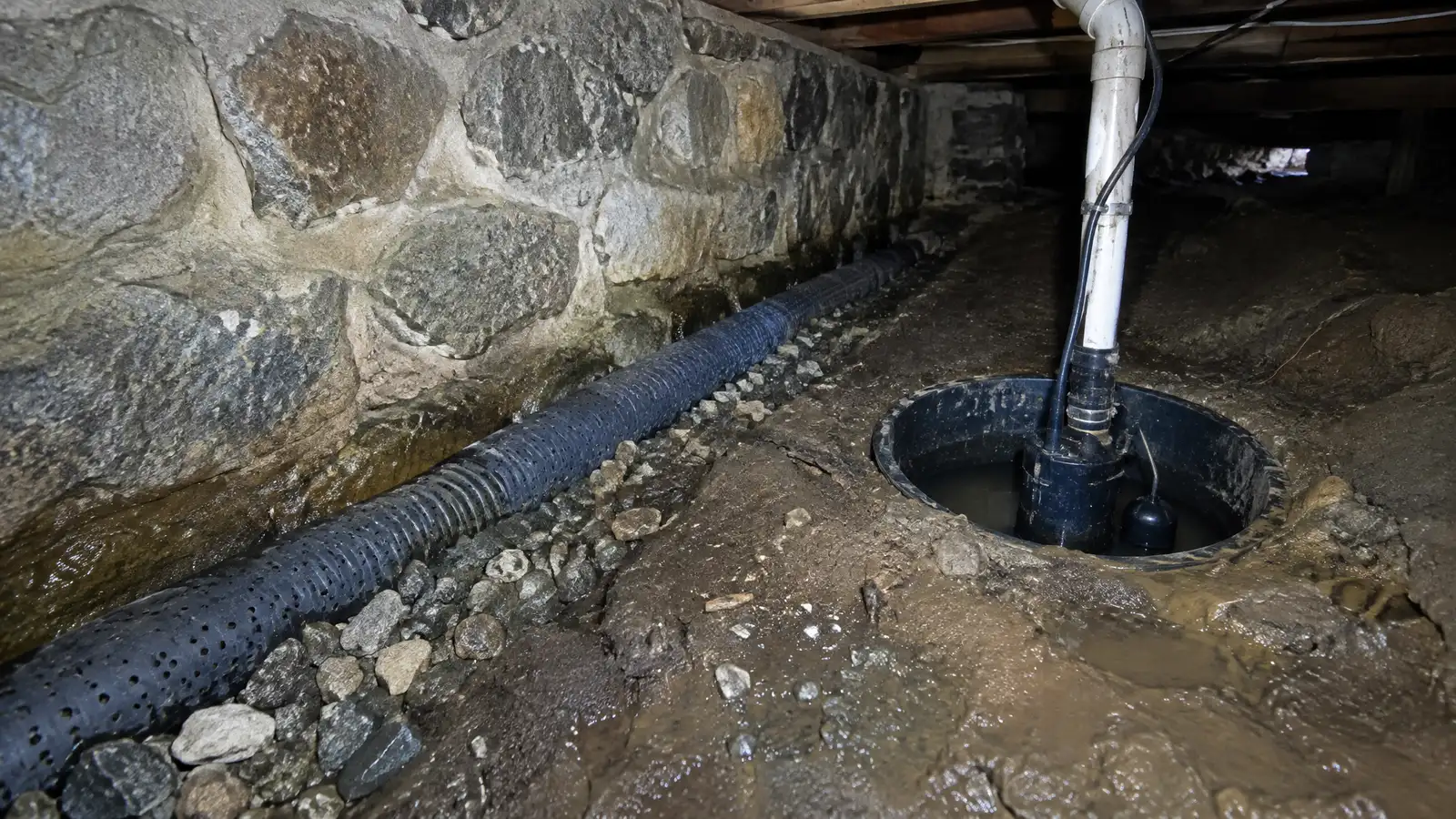 Crawl Space Drainage and WaterproofingDrains, sump pumps and sealing that remove standing water and stop seepage under the house.Explore
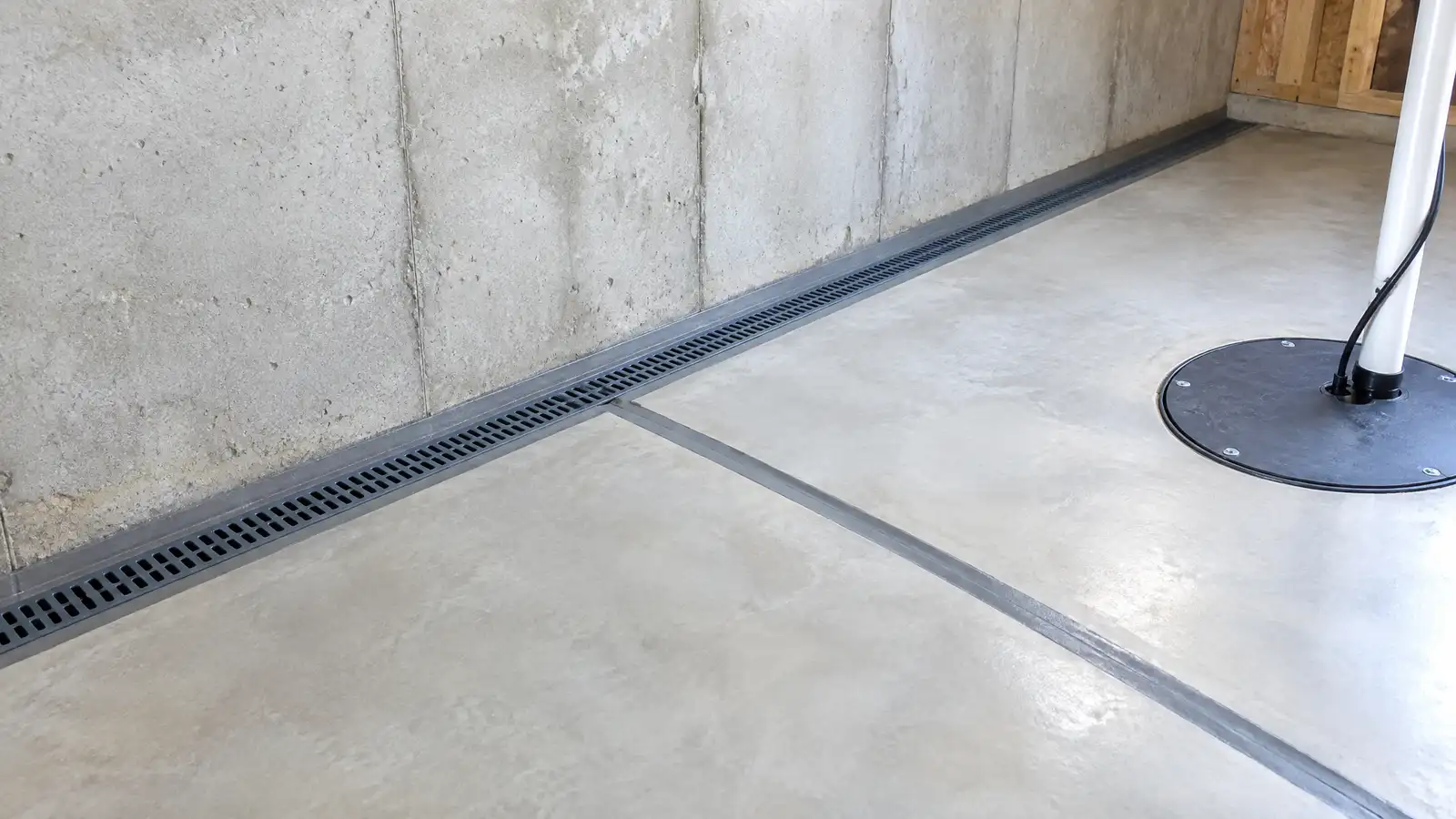 Basement WaterproofingA complete plan to keep water out of a basement, using drainage, pumps, sealing and exterior fixes matched…Explore
 Insurance Claim Documentation SupportClear photos, measurements and written findings that help you document foundation damage for your insurer or another party.Explore
Tell us about your property and one specialist will call you back to set up a visit.
Or call (615) 431-3789 to talk now.