Serving Nashville and Middle TennesseeFree Estimate
Controlling water, humidity and airflow in basements and crawl spaces so mold has little to grow on.
Mold needs moisture, and basements and crawl spaces provide plenty of it in the humid Middle Tennessee climate. Prevention is mostly about water control: stop leaks, dry the air, protect wood and keep surfaces clean. A plan that lowers moisture does more for mold than any wipe or spray ever could.
Your specialist measures humidity, finds leaks and condensation, checks ventilation and drainage and recommends a mix of fixes, from simple grading and gutter changes to liners, dehumidifiers and wall sealing. Areas with existing mold are pointed to appropriate cleaning or remediation resources, and the focus stays on removing the moisture that made it grow so it is less likely to return.
Mold grows where water lingers, so fixing leaks, drainage and humidity is the foundation of any prevention plan.
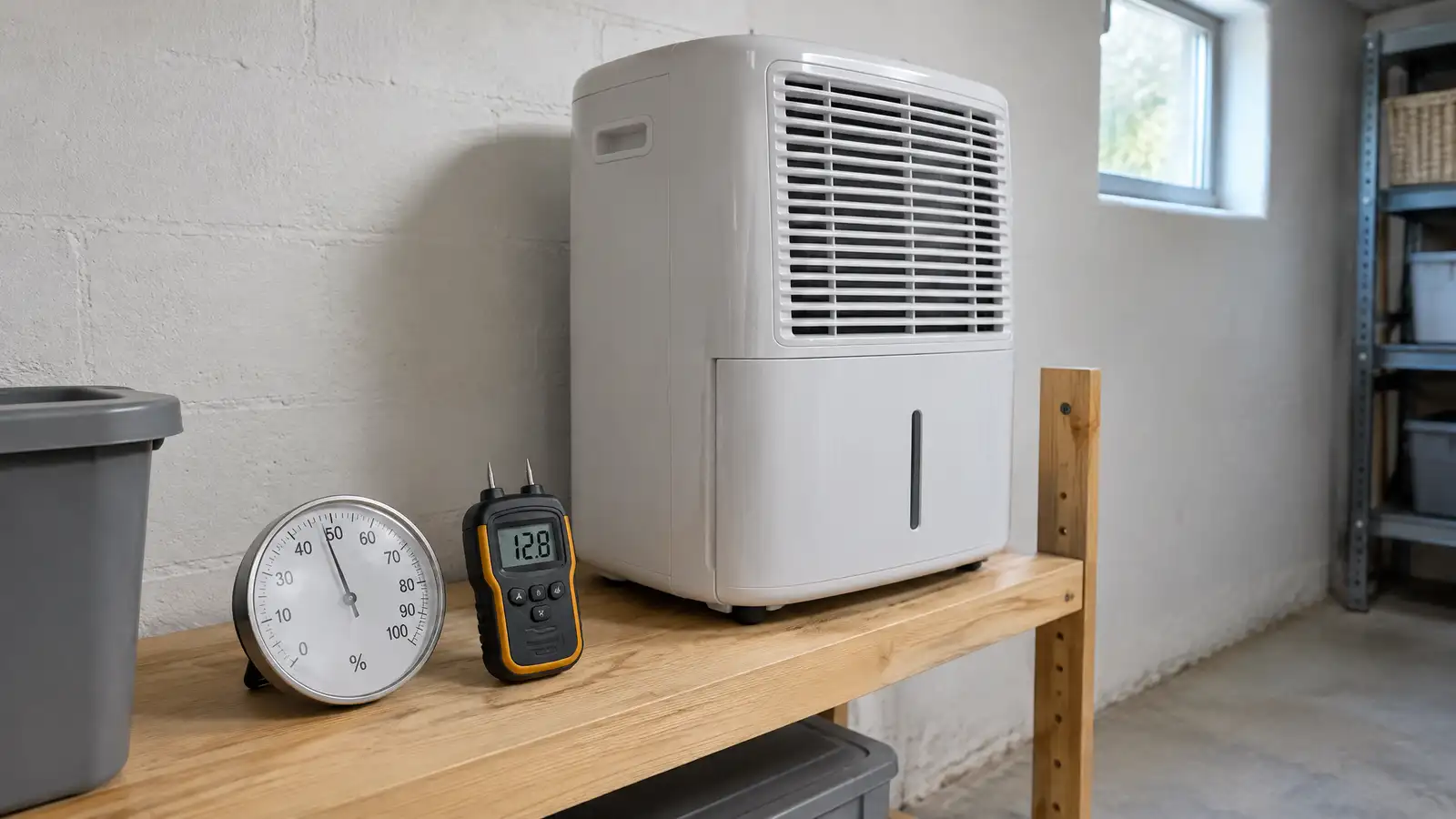
Humidity readings and moisture meters show which spaces need help, so effort goes where it matters.
Dehumidifiers, sealed liners and controlled airflow keep the air in a range that discourages growth.
Cleaning mold without fixing the moisture is a short-term answer, so the cause comes first.
Drag the handle to compare.
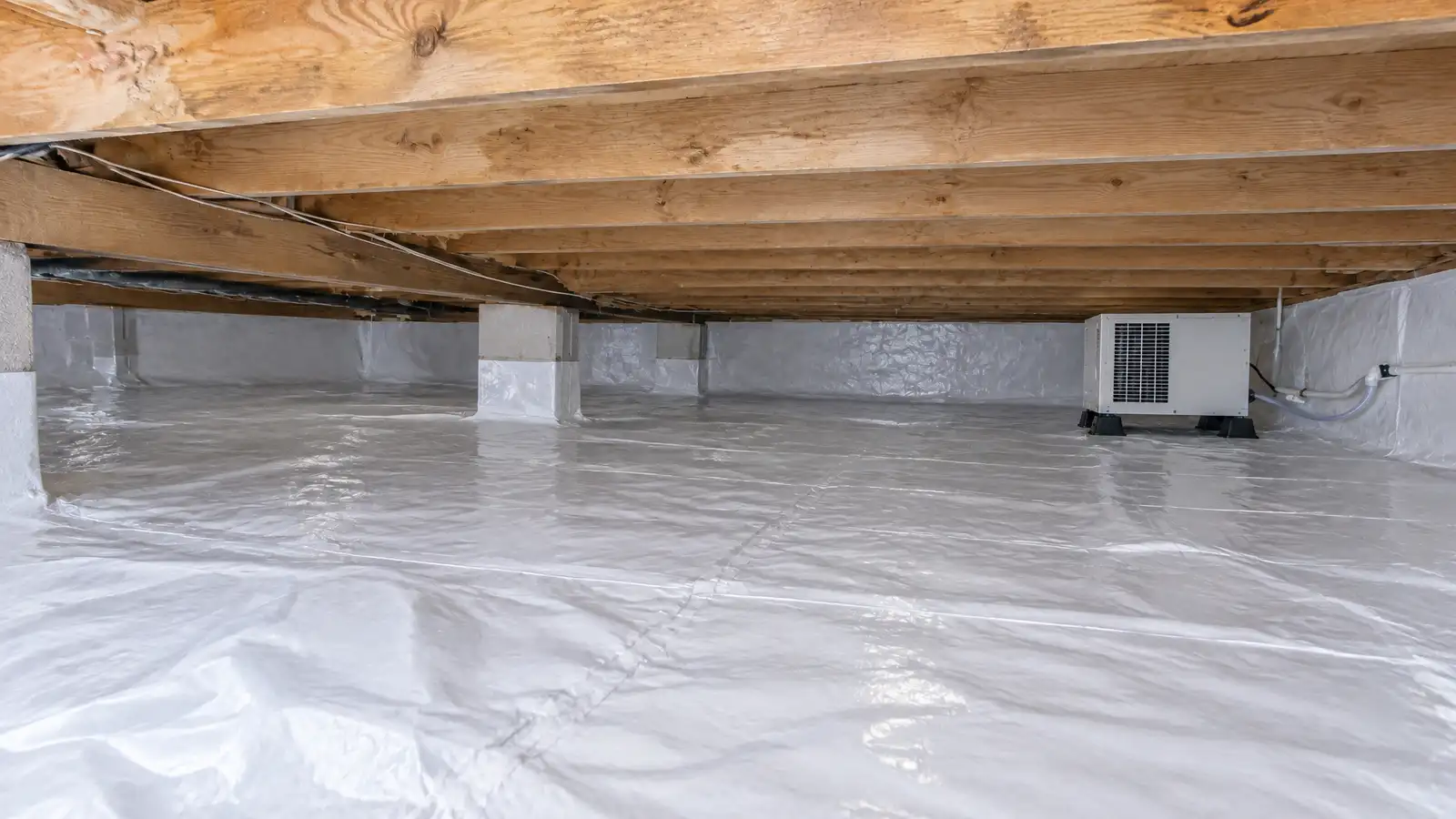
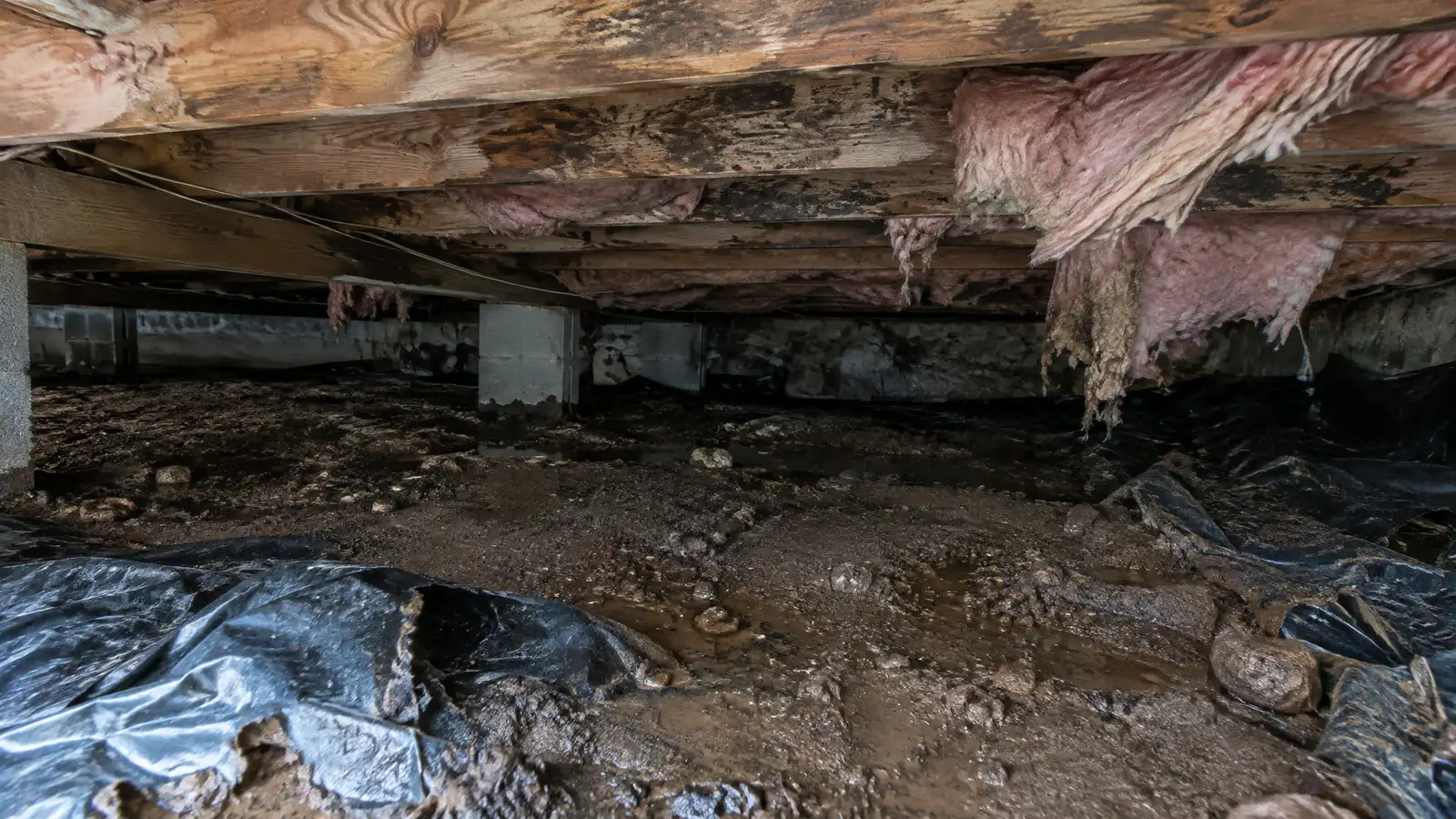 BeforeAfter
Leaks and humidity measured.
Grading, gutters and drains fixed.
Liners and wall sealing added.
Dehumidifier or conditioned air.
Cleaning resources suggested.
Humidity checked over time.
Every topic has its own page with what to expect and how we approach it.
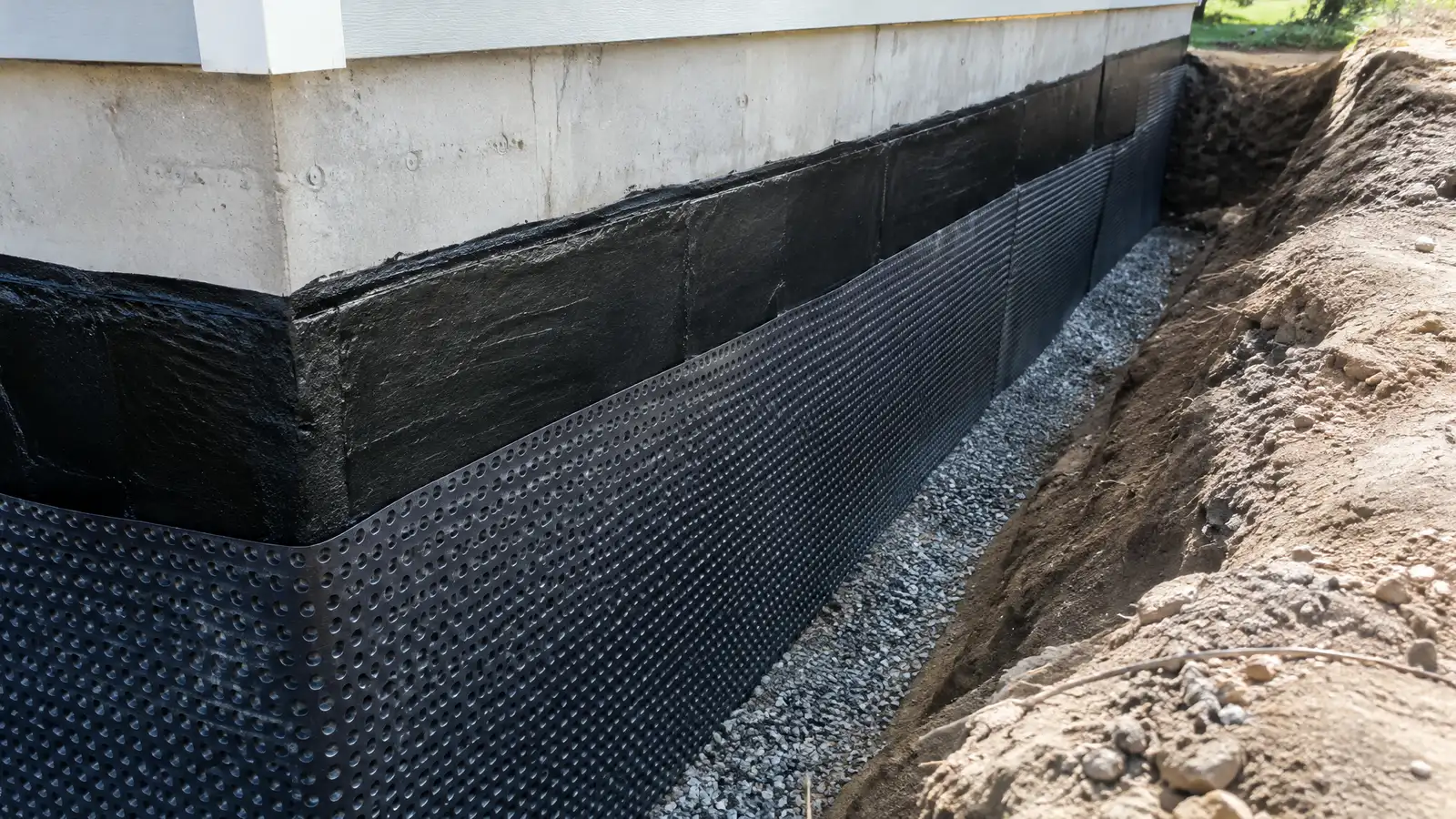 Comparison guideInterior vs Exterior WaterproofingHow interior drains and sump systems differ from exterior excavation and membranes in how they work, access needs…Learn more
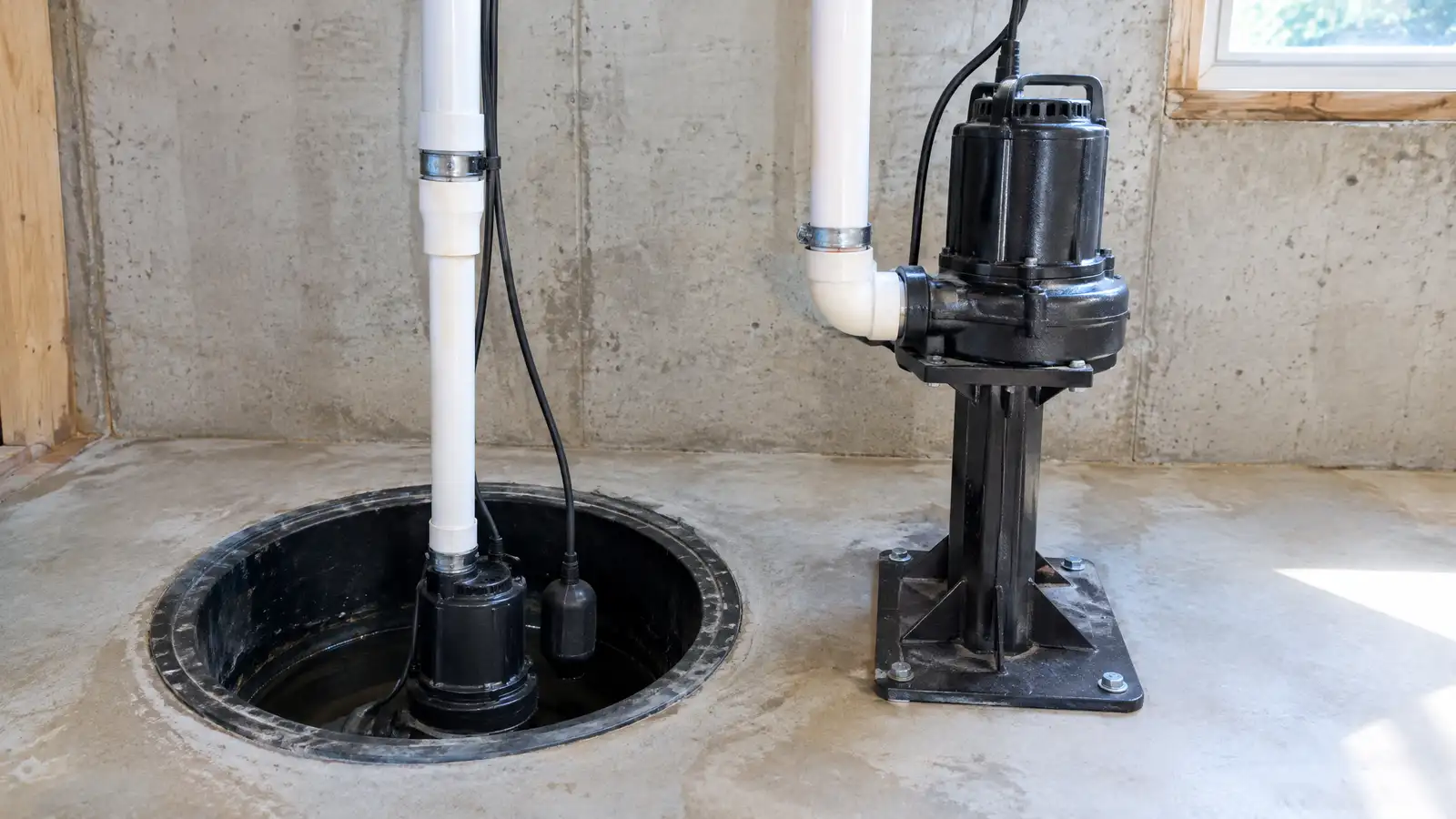 Comparison guideSump Pump TypesHow submersible, pedestal, battery backup and water-powered sump pumps differ in cost, noise, lifespan and best use.Learn more
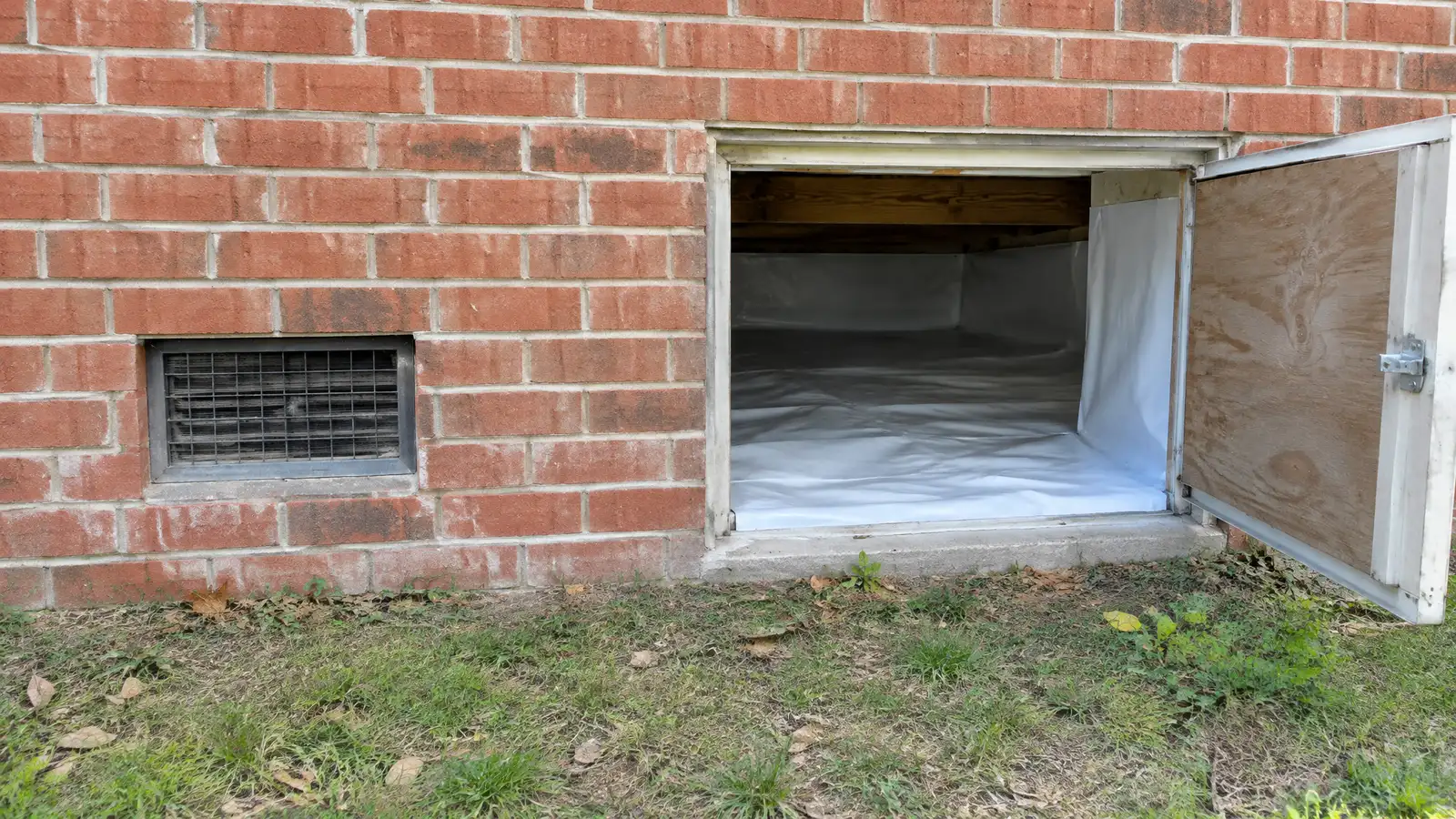 Comparison guideEncapsulation vs VentsHow a sealed, conditioned crawl space differs from a traditional vented one in moisture control, comfort, energy and…Learn more
Pick the project and options to see a typical sequence from estimate and engineering to utility marking, repair and cleanup.
You tell us what you see and where the property is. One call sets up a visit that fits your day.
A specialist walks the inside and outside, checks cracks, floors, moisture and drainage and takes measurements and photos.
You receive a plain written scope with the cause, the method, the location of each repair and the schedule before anything begins.
Utility marking is requested where digging is needed, access is protected and materials and any engineering are lined up.
Supports, drains, sealing or lifting are completed in a clear order, with photos and checks along the way.
The site is cleaned up, the work is explained on a walk-through and care and monitoring tips are shared.
Mold cleanup is a separate specialty, and your specialist can point you to appropriate resources while handling the moisture that caused it.
Many specialists aim to keep indoor humidity from running high for long periods, and your specialist explains a target for your home.
Surface treatments do not remove the moisture that feeds mold. Water control is the lasting answer.
It reduces the moisture mold needs, which makes growth much less likely.
Testing is up to you, and your specialist can suggest where to find qualified testing if you want it.
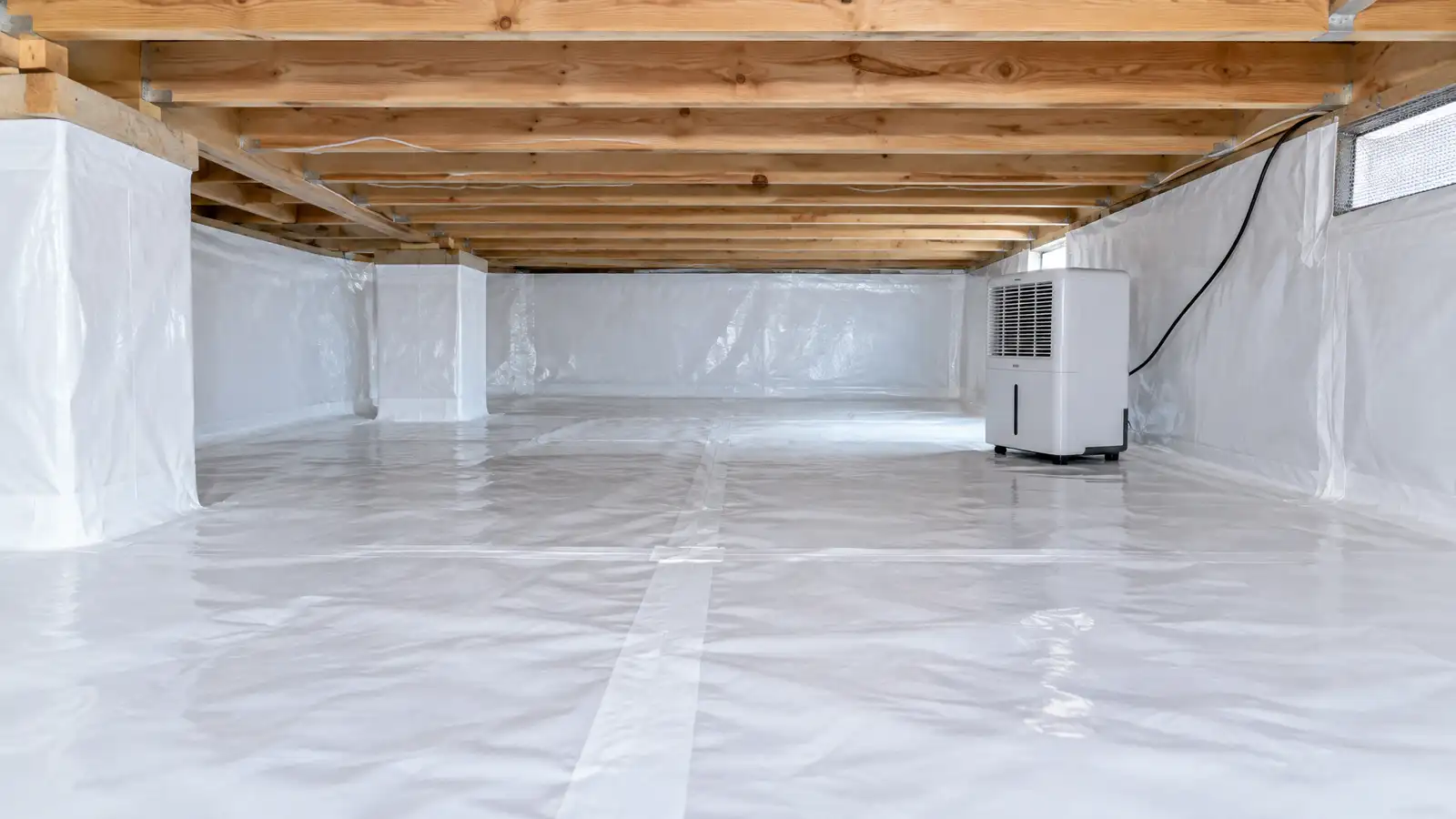 Crawl Space EncapsulationSealing the crawl space with a heavy liner on the floor and walls, drainage where needed and controlled…Explore
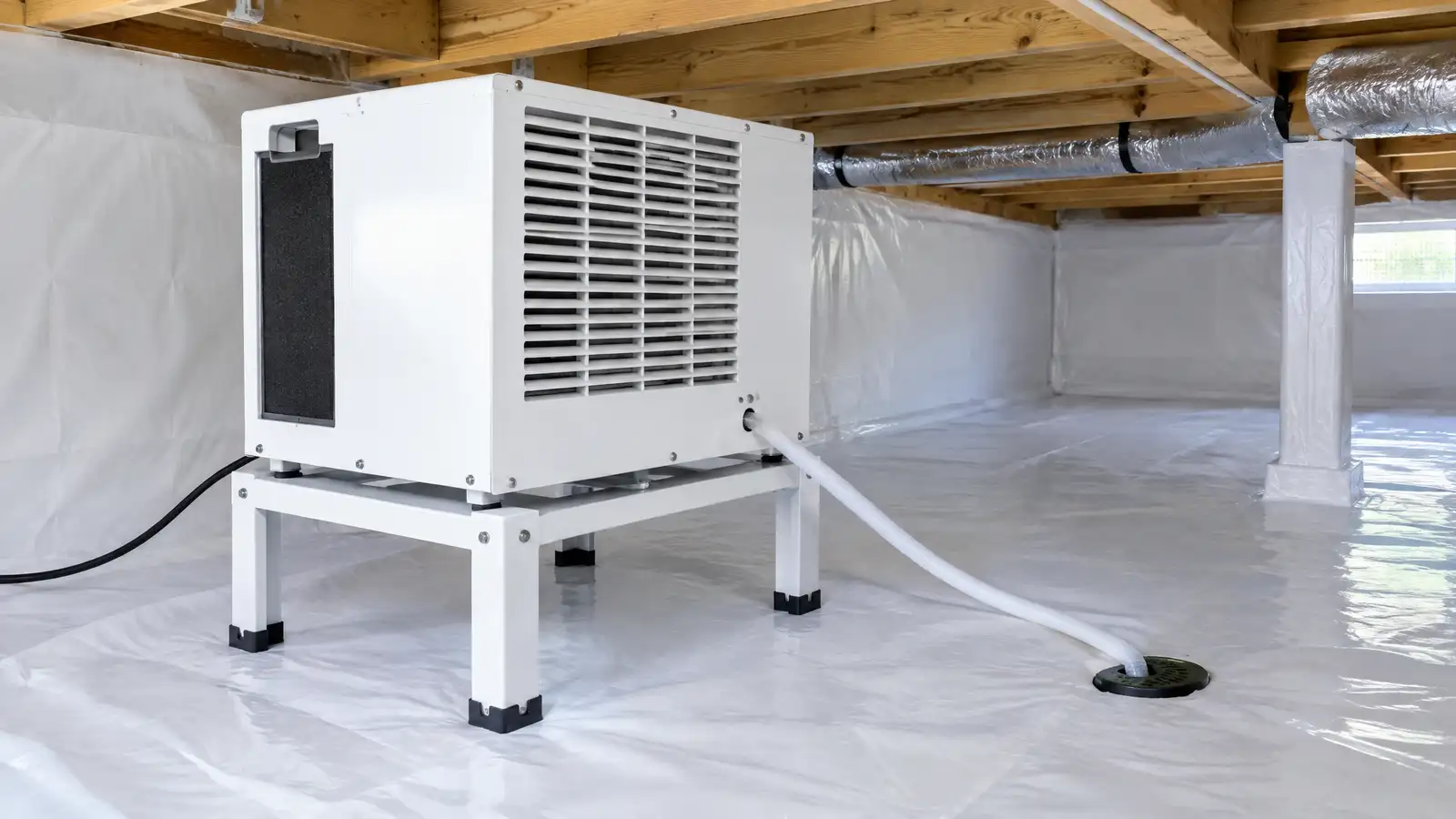 Crawl Space DehumidifiersA dehumidifier sized and drained for the crawl space, keeping humidity in a healthy range through Tennessee summers.Explore
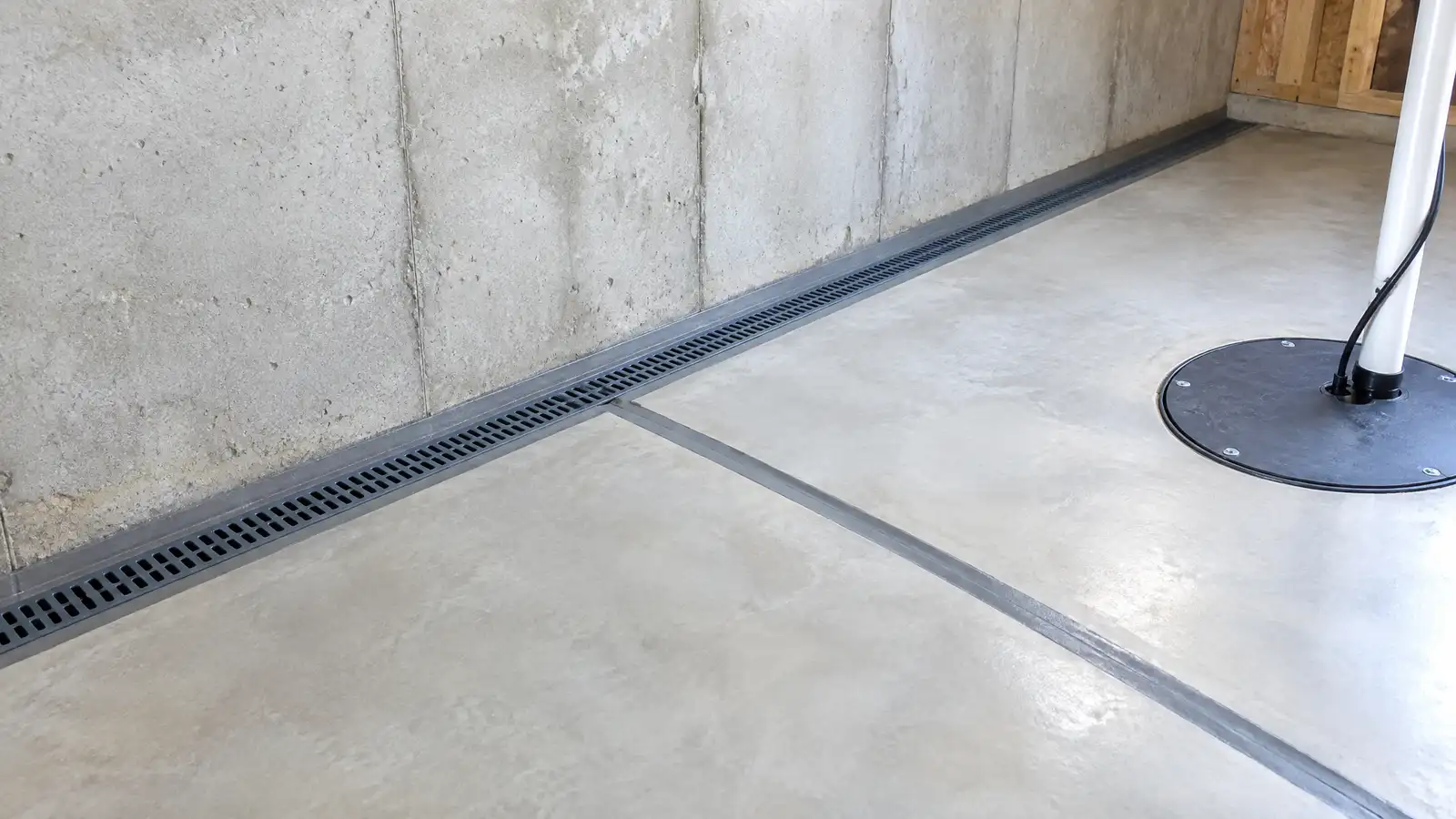 Basement WaterproofingA complete plan to keep water out of a basement, using drainage, pumps, sealing and exterior fixes matched…Explore
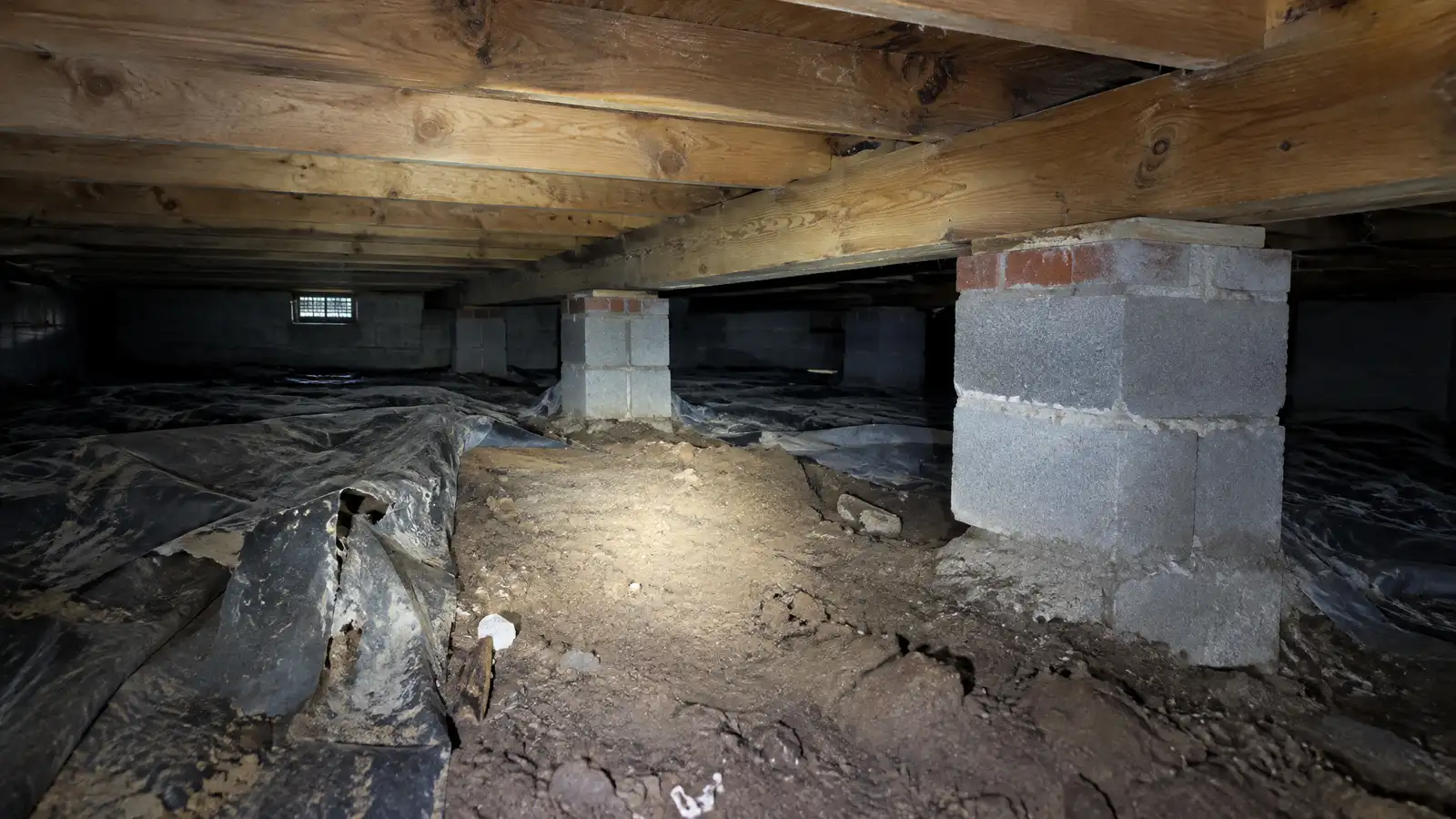 Crawl Space InspectionsA look under the house at moisture, supports, vapor barriers, insulation and pests, with photos of what is…Explore
Tell us about your property and one specialist will call you back to set up a visit.
Or call (615) 431-3789 to talk now.