Serving Nashville and Middle TennesseeFree Estimate
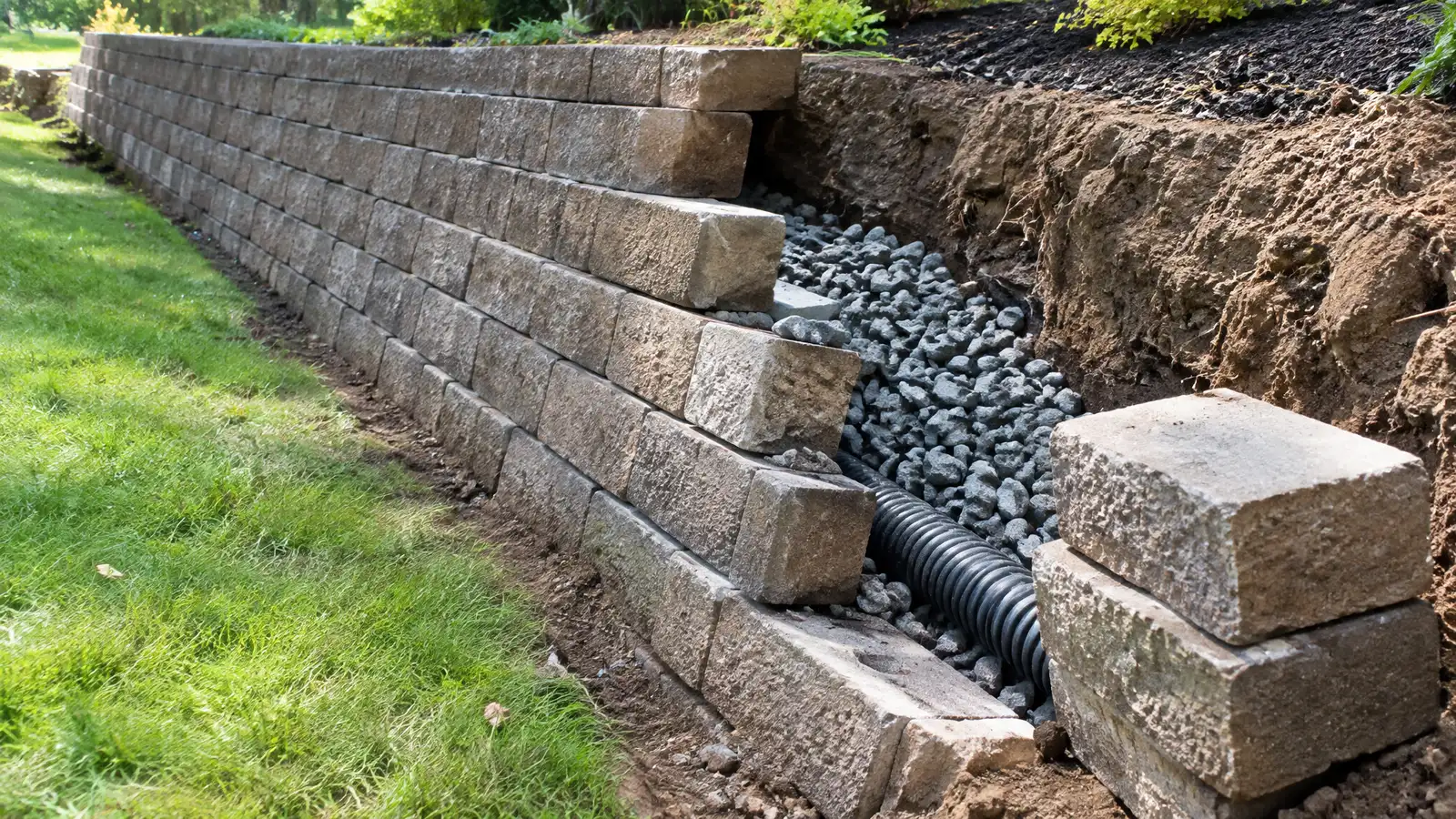
Repairing leaning, cracked or bulging retaining walls with drainage, reinforcement, resetting and rebuilding.
Hillside lots around Nashville depend on retaining walls to hold yards, driveways and sometimes foundations in place. A wall that leans, cracks or bulges is telling you the soil behind it is pushing harder than the wall can take. Repair starts by finding why, usually water, and then choosing between reinforcing, resetting or rebuilding.
Your specialist inspects the wall type, measures lean, checks drainage and examines the ground above and below. Repairs may include adding drains behind the wall, installing anchors or tiebacks, resetting blocks, patching and sealing concrete or rebuilding failed sections. An engineer may be involved for tall walls or walls that hold up structures, and permits can be required. Walk the top and the bottom of your wall after a hard rain. Look for water seeping through joints, soil washing out at the base and puddles uphill that feed the soil behind the wall. Those clues point to drainage fixes that often matter more than any cosmetic repair, and your specialist can build a plan around them so the finished wall has a real chance to last.
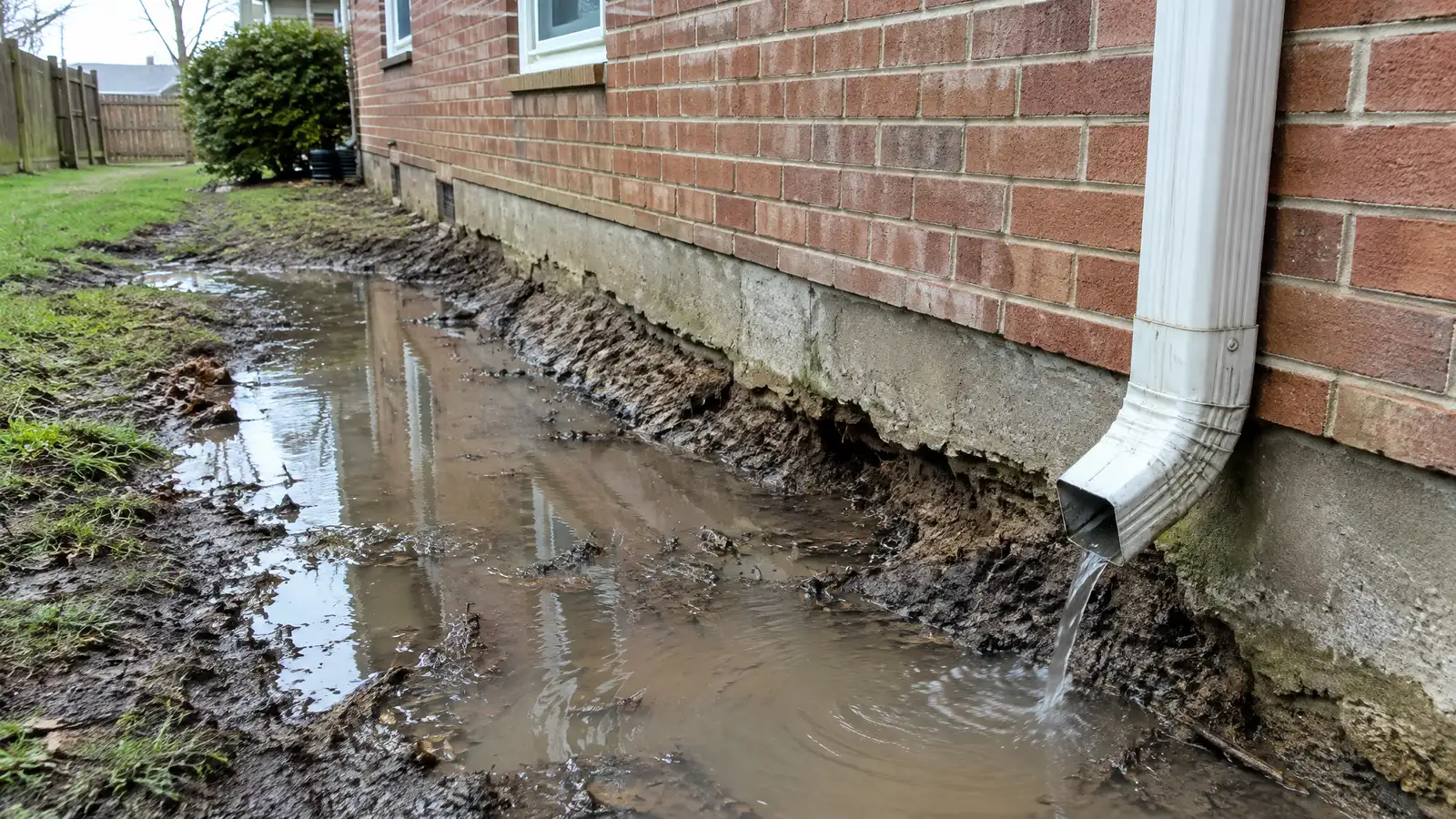
Water pressure, weak footings, poor backfill and overloading are common causes of leaning and cracking.
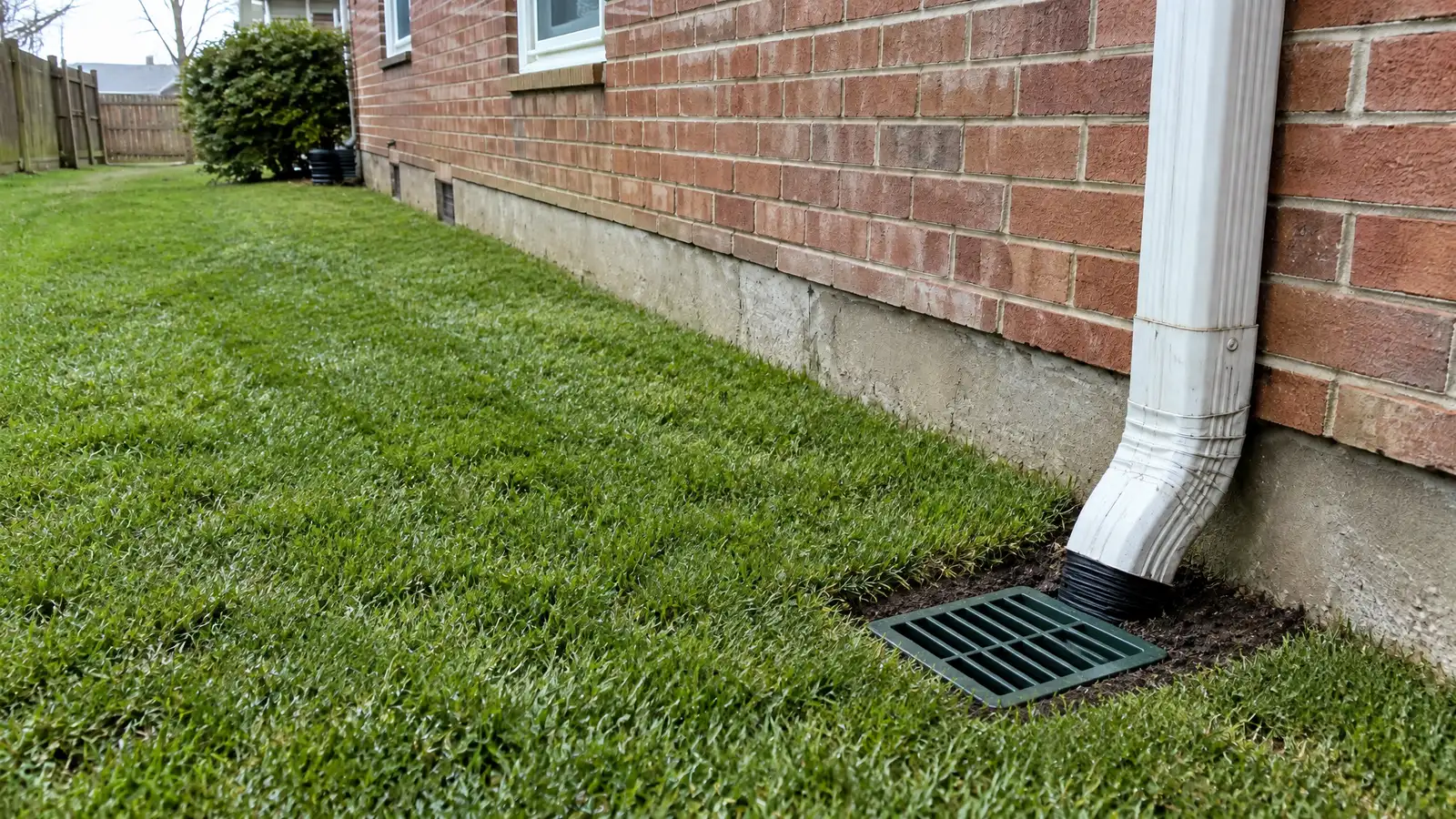
Relieving water behind a wall is often the most important step, and it makes any structural repair last.
Anchors, geogrid, resets or new sections restore stability, depending on the wall type and how far it has moved.
A wall that has failed badly is best rebuilt with the right base, drainage and design.
Drag the handle to compare.
 BeforeAfter
Type, lean and cracks noted.
Water behind and above.
Reinforce, reset or rebuild.
Pipe, stone and outlets.
Anchors, blocks or sections.
Site restored.
Every topic has its own page with what to expect and how we approach it.
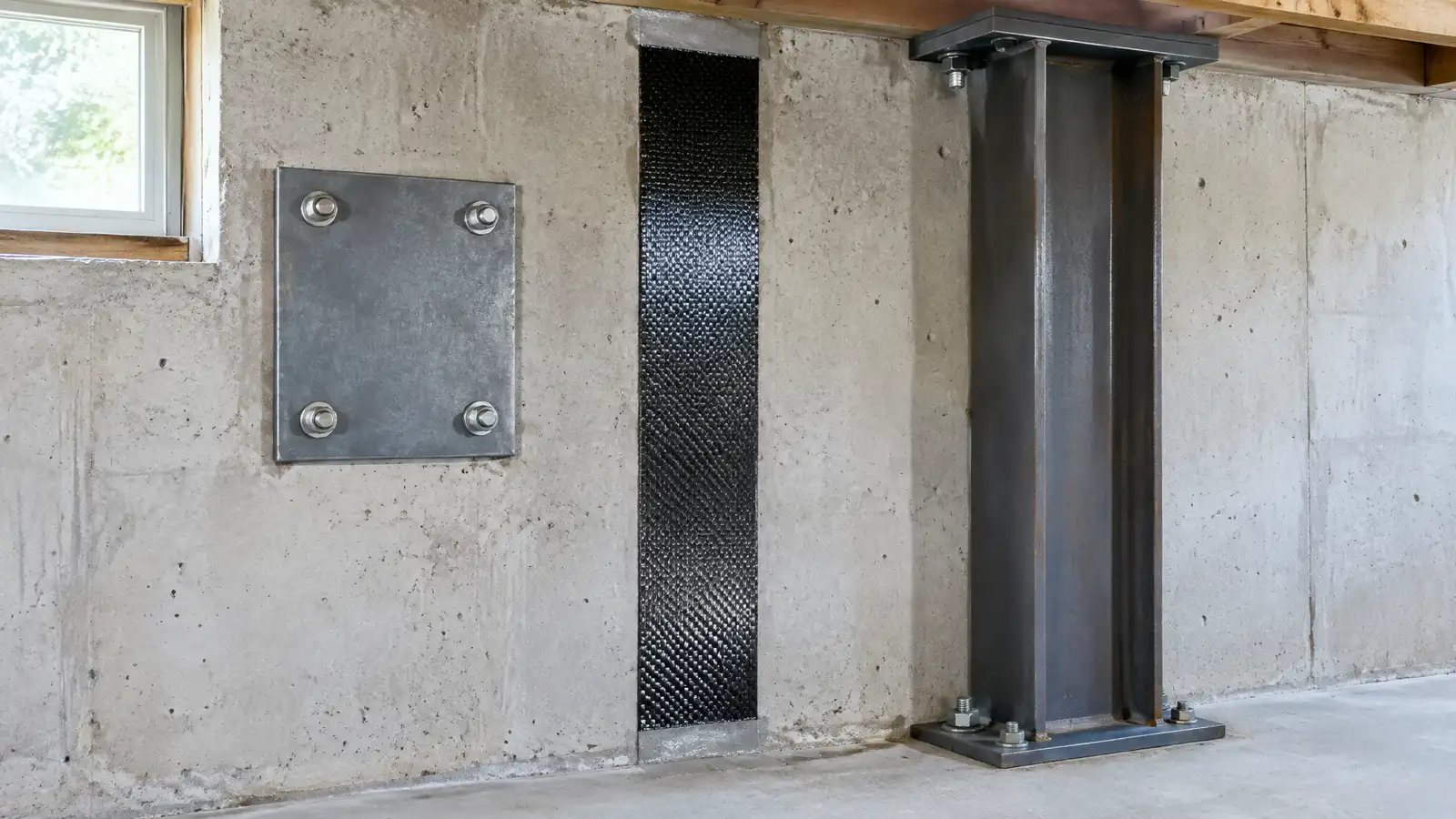 Comparison guideWall Repair MethodsHow wall anchors, carbon fiber straps, steel beams and rebuilding differ in what they do for bowing or…Learn more
 ResourceASCEA professional society for civil engineers that publishes standards, research and public information on structures, soils and infrastructure.Learn more ResourceICCThe organization that develops the model building codes many states and cities adopt, including residential and building codes.Learn more
Enter your measurements to see piers, crack length, drain footage, crawl space liner area and slab area to plan for.
You tell us what you see and where the property is. One call sets up a visit that fits your day.
A specialist walks the inside and outside, checks cracks, floors, moisture and drainage and takes measurements and photos.
You receive a plain written scope with the cause, the method, the location of each repair and the schedule before anything begins.
Utility marking is requested where digging is needed, access is protected and materials and any engineering are lined up.
Supports, drains, sealing or lifting are completed in a clear order, with photos and checks along the way.
The site is cleaned up, the work is explained on a walk-through and care and monitoring tips are shared.
Leaning, cracks, bulges, soil washing out and blocks that have shifted are warning signs.
Many can, with drainage and reinforcement, and others are better rebuilt.
For tall walls and walls that support structures, an engineer is often recommended and may be required.
Often for taller walls. Requirements vary, and your specialist explains what is common.
With proper drainage and construction, a repaired wall can serve for many years.
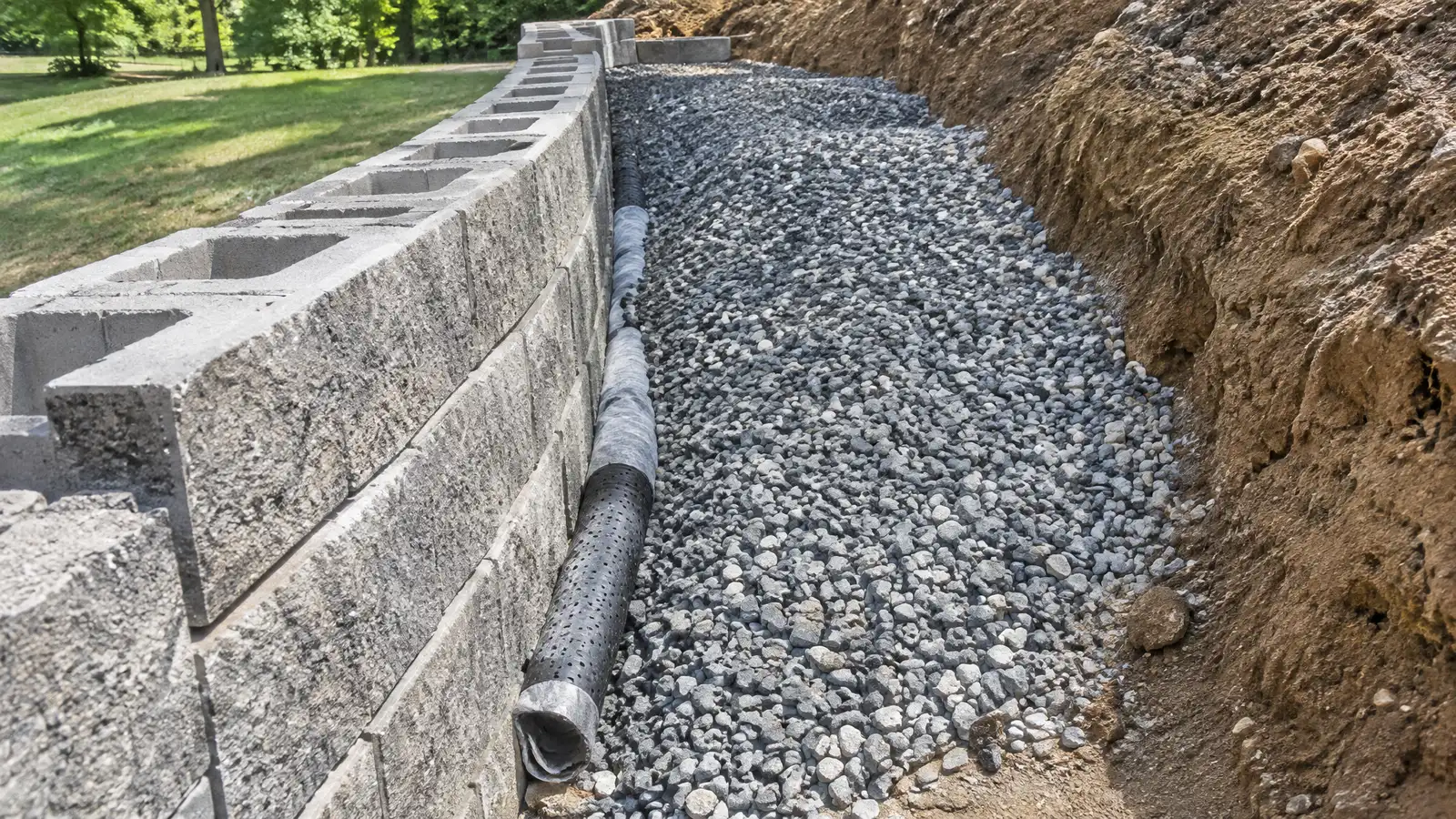 Retaining Wall DrainageDrains, gravel and outlets behind a retaining wall that relieve water pressure and keep the wall standing.Explore
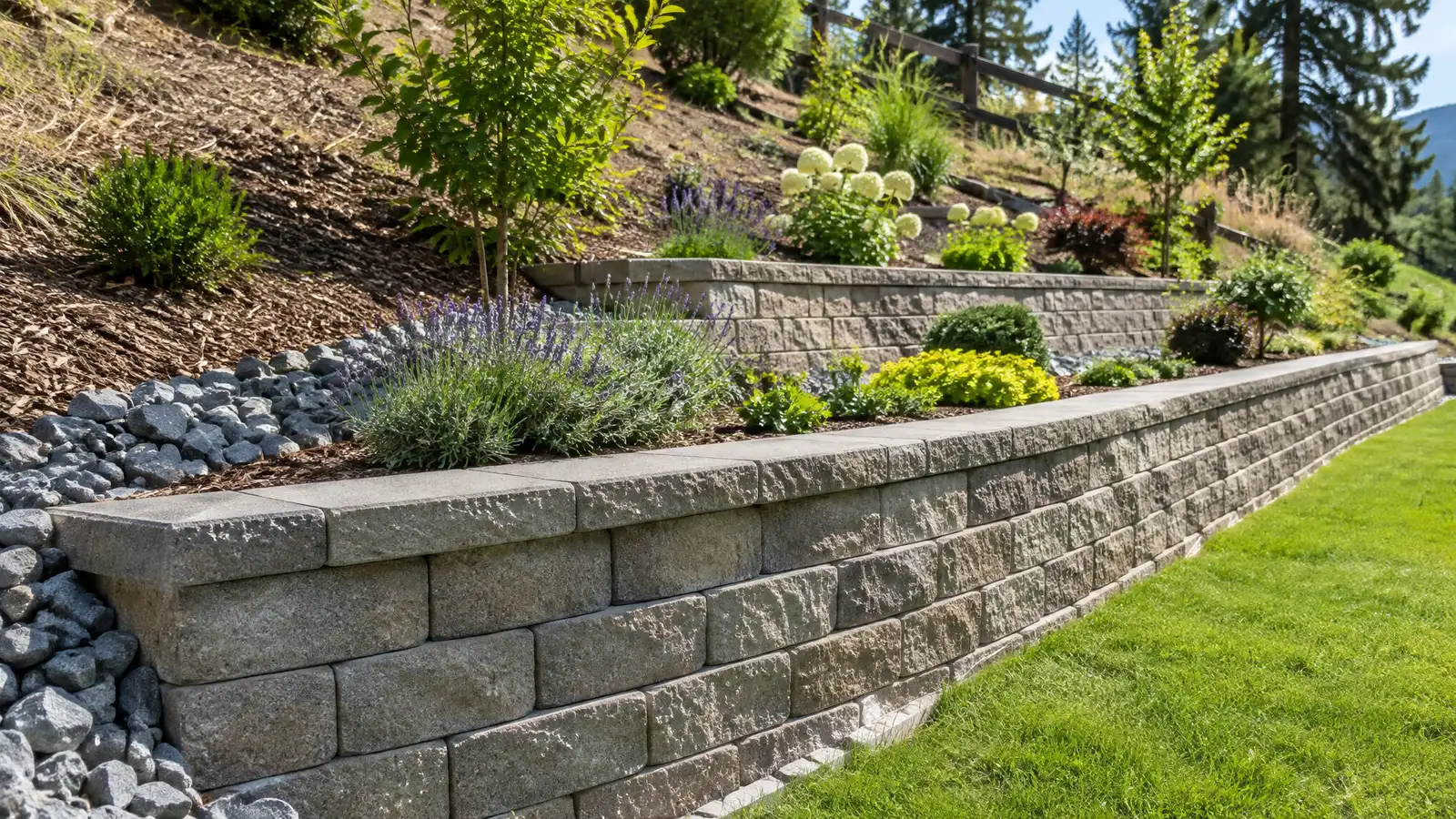 Retaining Wall ConstructionDesigning and building retaining walls in block, stone, concrete or timber with drainage and footings that last.Explore
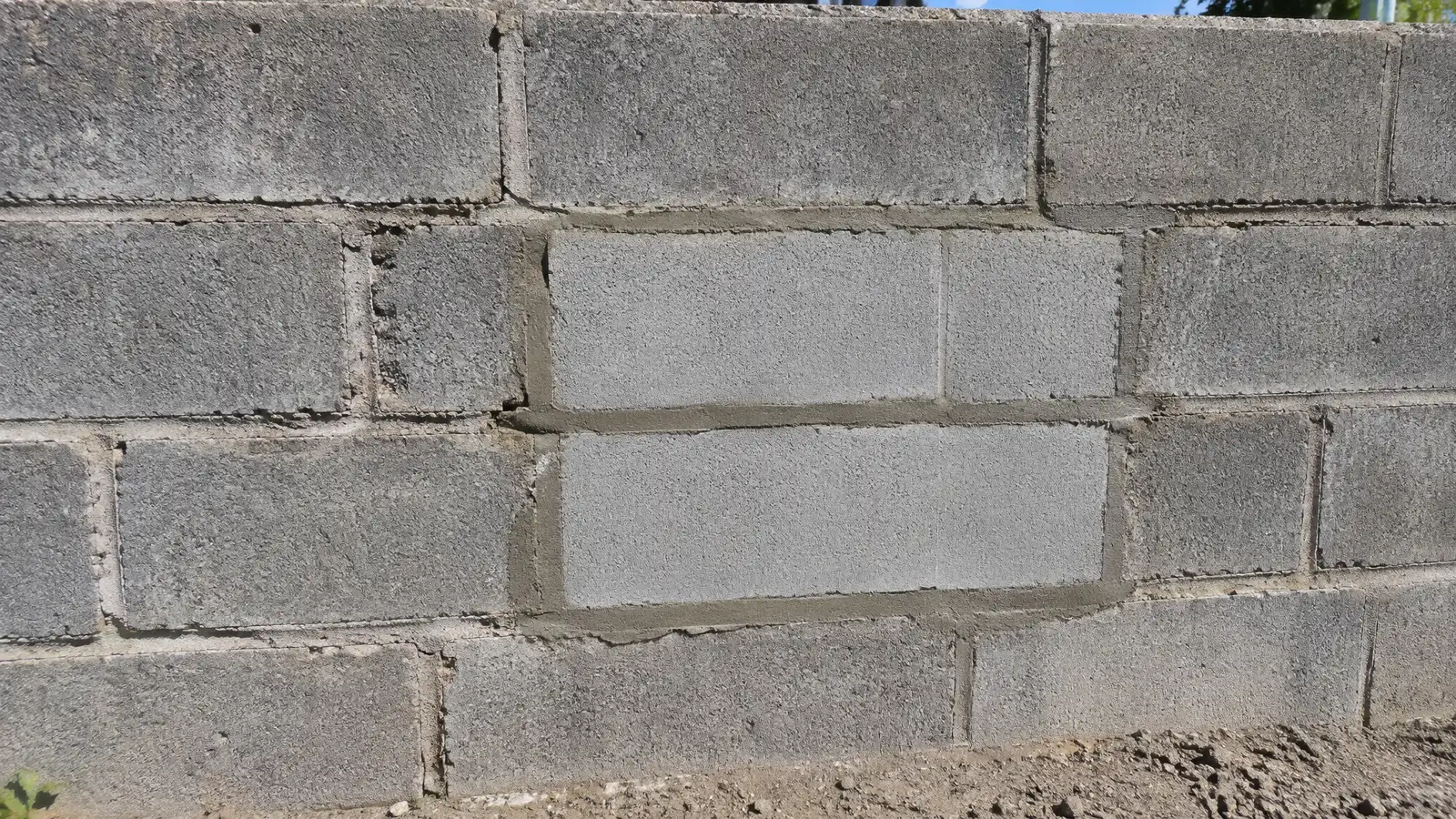 Block Wall RepairRepairing cracked, leaning or crumbling concrete block walls with filling, reinforcing, rebuilding and drainage.Explore
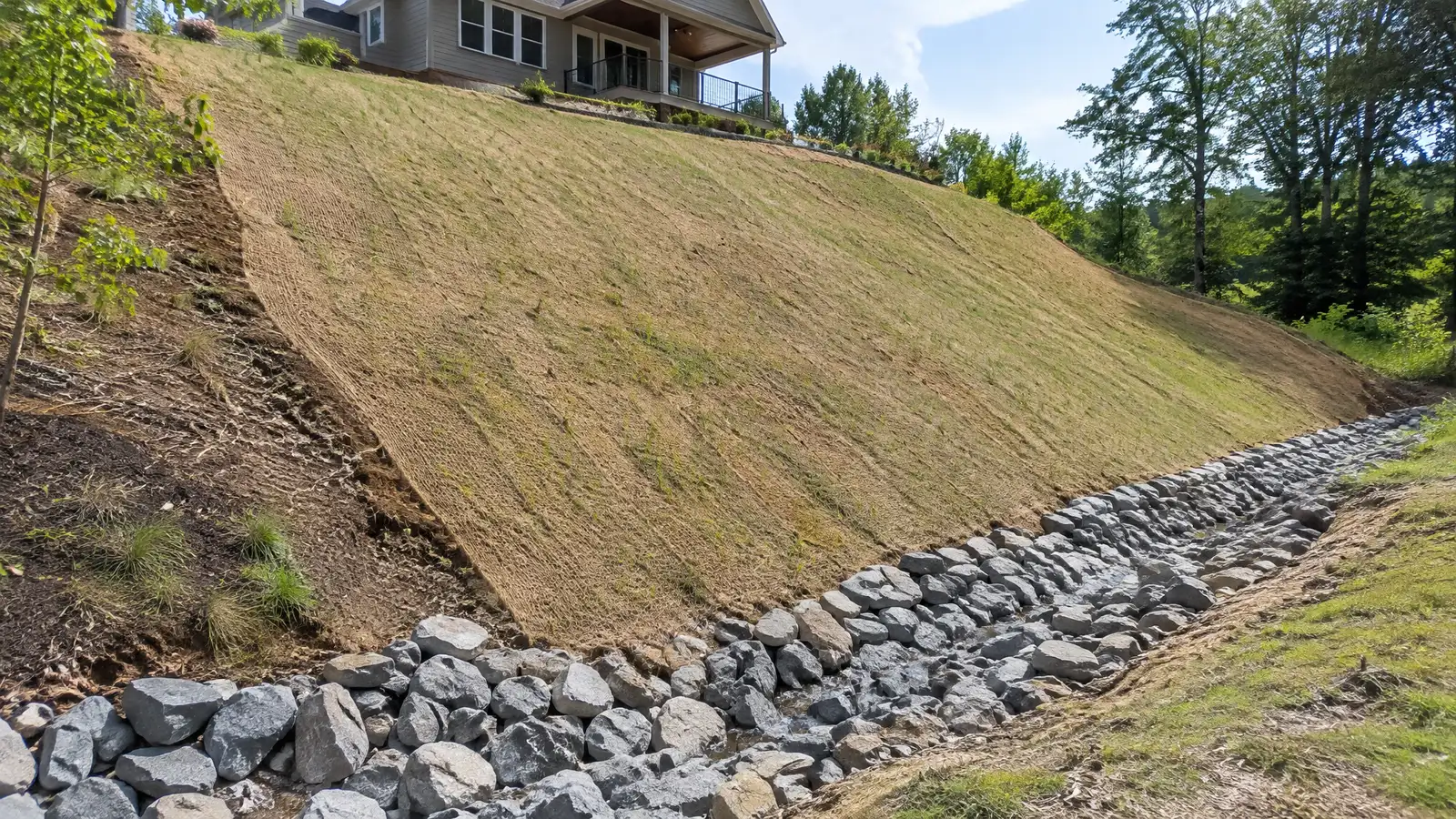 Erosion Control and Soil StabilizationProtecting slopes, banks and soil near a foundation from washing away, with grading, planting, stone and structural measures.Explore
Tell us about your property and one specialist will call you back to set up a visit.
Or call (615) 431-3789 to talk now.