Serving Nashville and Middle TennesseeFree Estimate
Repairs for crawl space homes with sagging floors, shifting piers, rotted beams and damp conditions underneath.
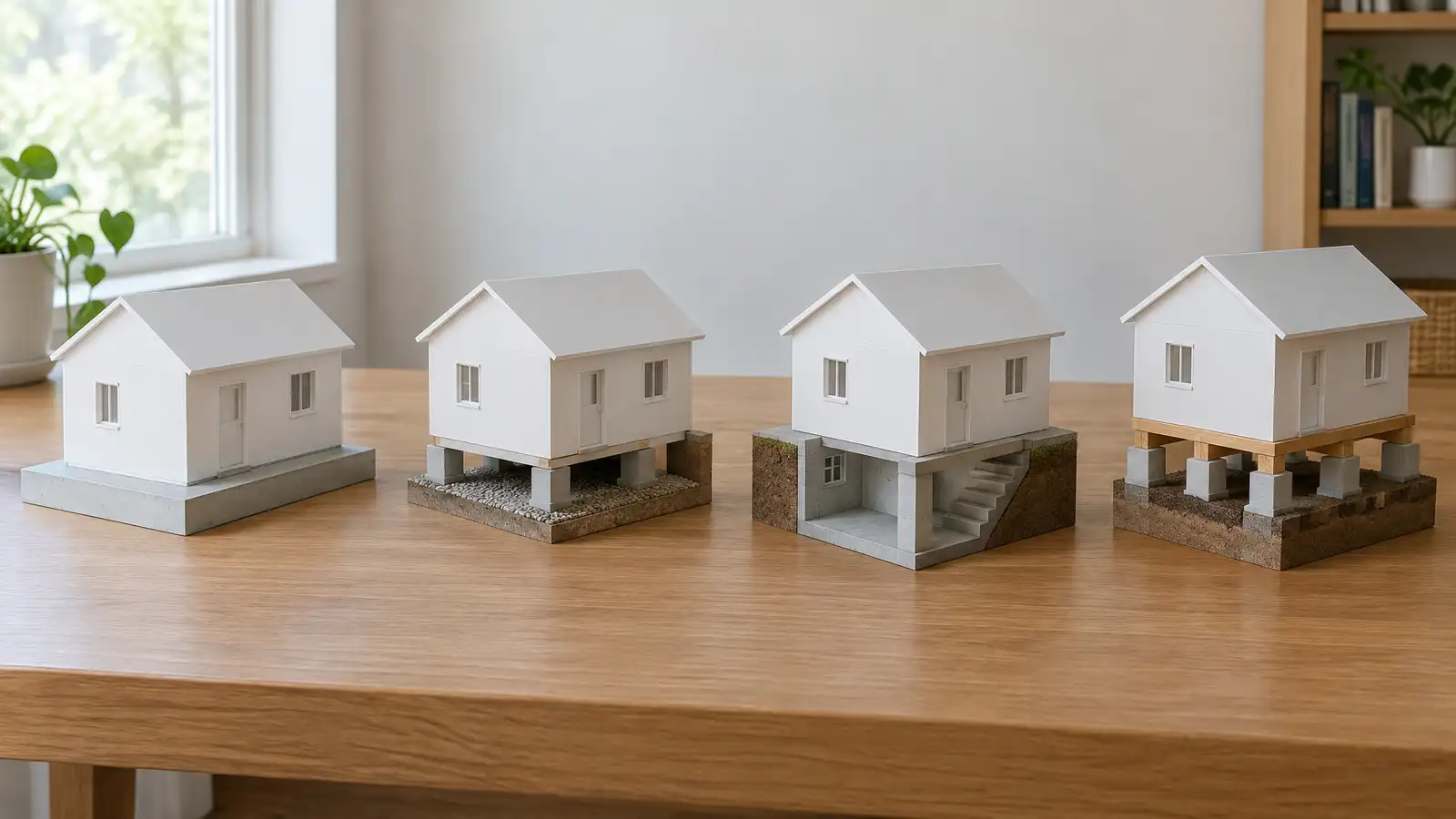
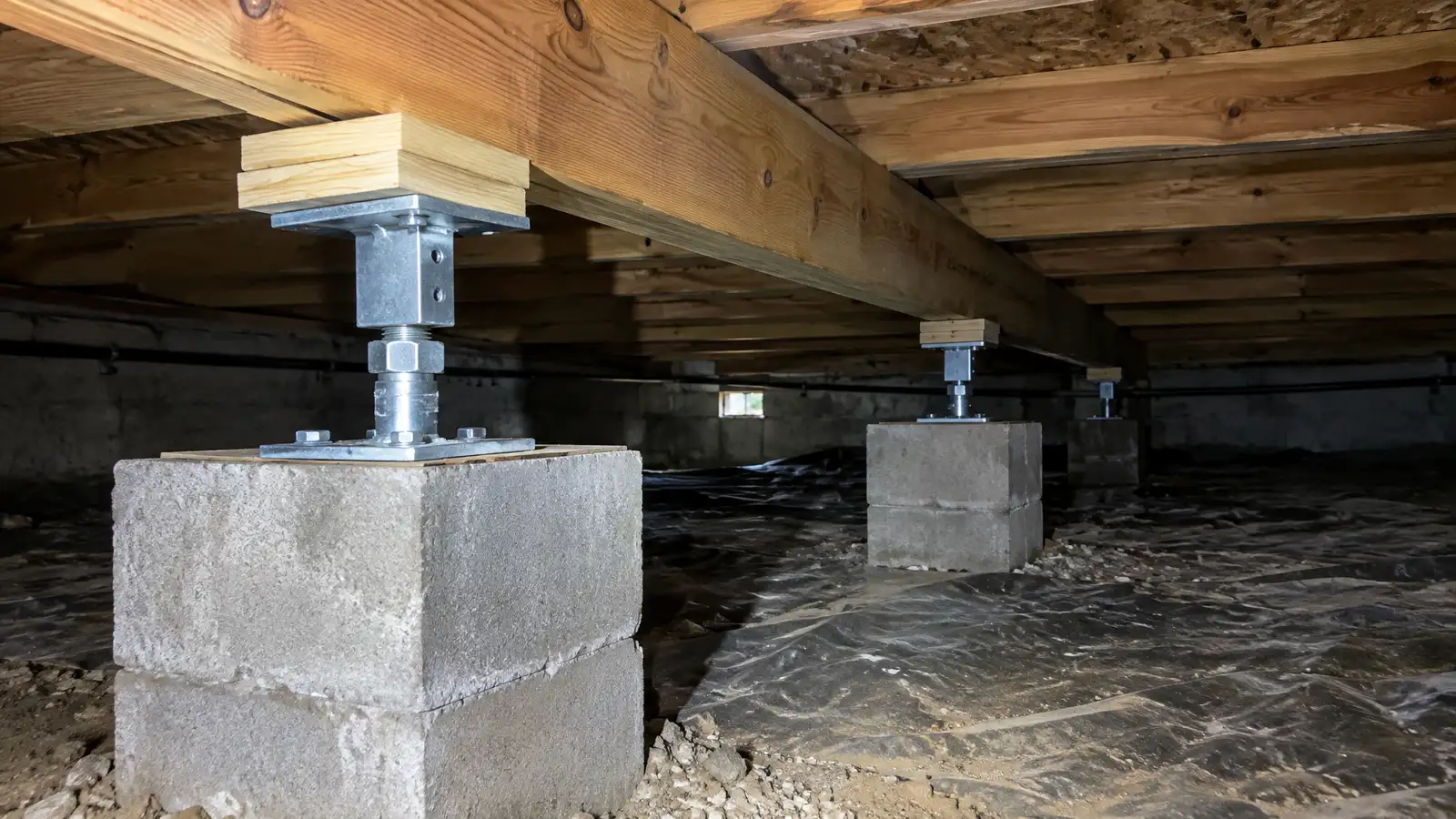
Many older Nashville homes sit on piers and beams, with the floor raised above a crawl space. That design breathes well and is easy to adjust, but it also depends on small supports staying put and wood staying dry. When a pier tilts, a beam rots or the soil under a pier washes out, floors bounce, slope or squeak, and the fix usually begins underneath.
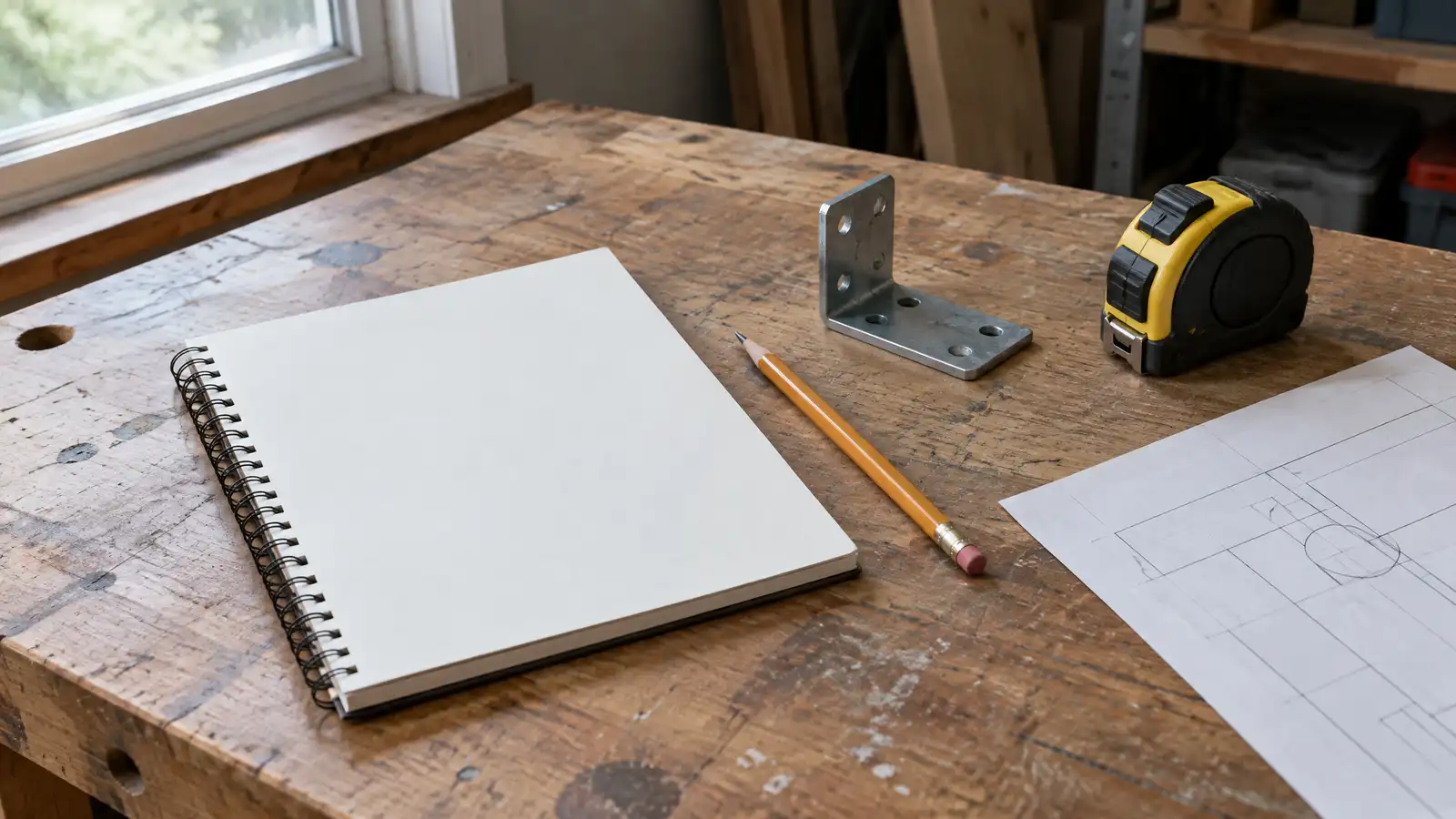
Your specialist crawls the space, checks every pier, beam, joist and sill, probes wood for softness and measures floor heights. Repairs may include re-leveling or replacing piers, adding supports, sistering joists, replacing rotted beams and correcting moisture. Shims or adjustable supports restore level, and drainage or a vapor barrier is often added so the same problem does not return.
Piers, beams, joists and the sill each carry part of the load, so a problem in one can show up as a sag in another.
Rot starts where moisture lingers, so wet soil, leaks and poor ventilation are part of the repair plan.
Adjustable piers and shims bring floors back toward level and allow fine tuning later.
Vapor barriers, drainage and sealed penetrations help keep moisture away from the wood.
Drag the handle to compare.
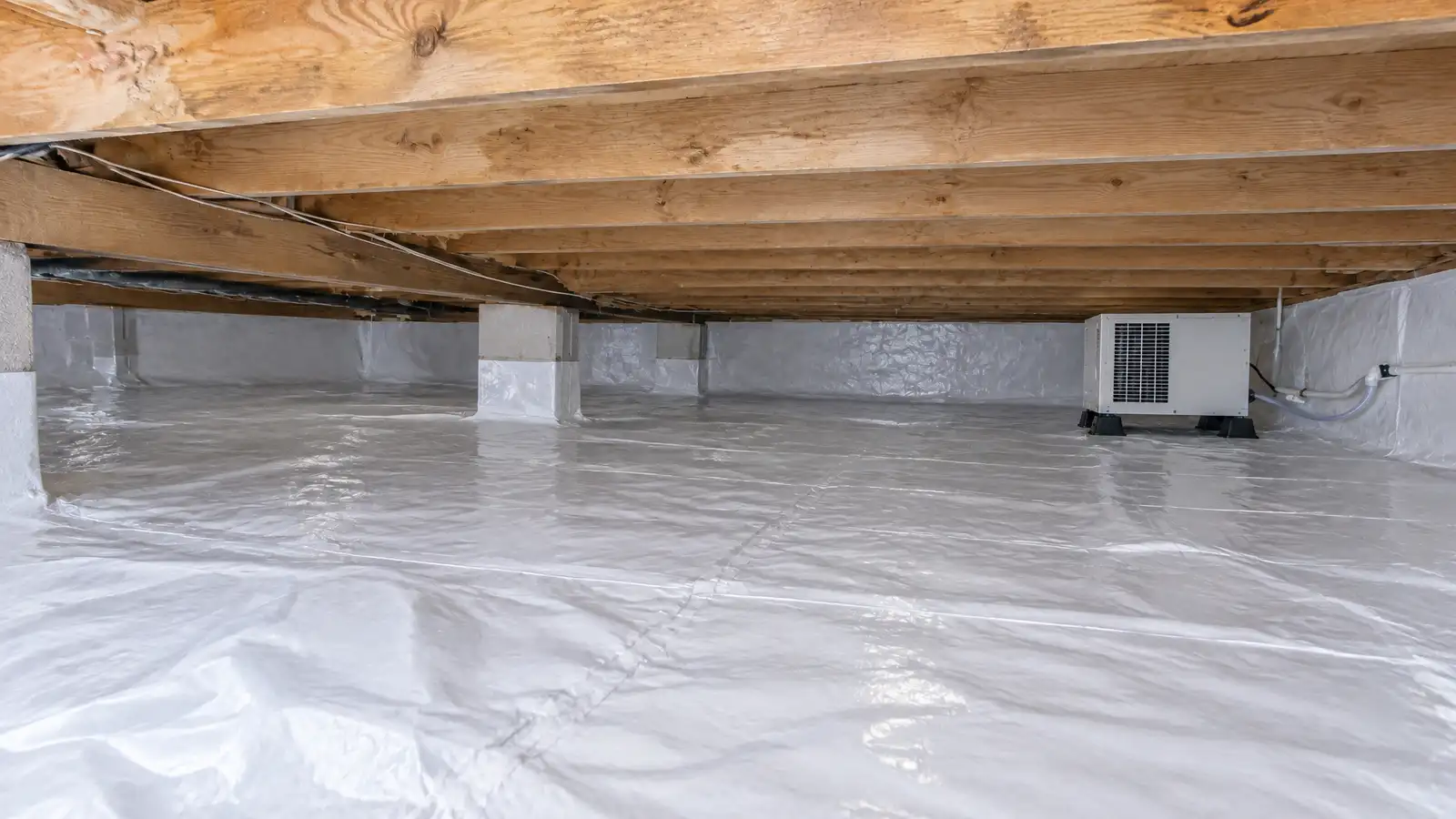
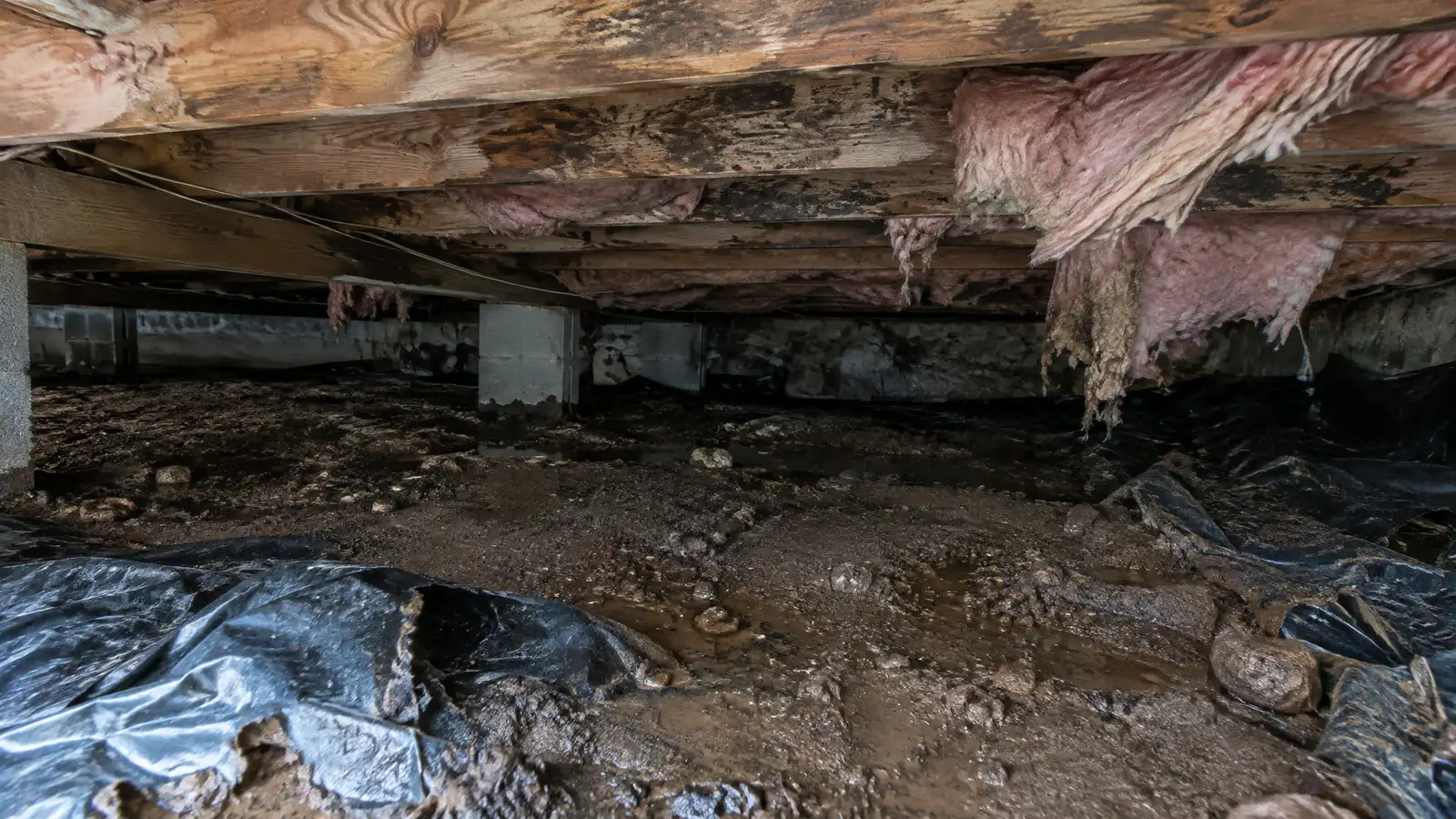 BeforeAfter
Piers, beams and joists checked.
Heights and slopes recorded.
Piers, beams and support specified.
Rotted or shifted parts fixed.
Adjustable support and shims set.
Barrier and drainage added.
Every topic has its own page with what to expect and how we approach it.
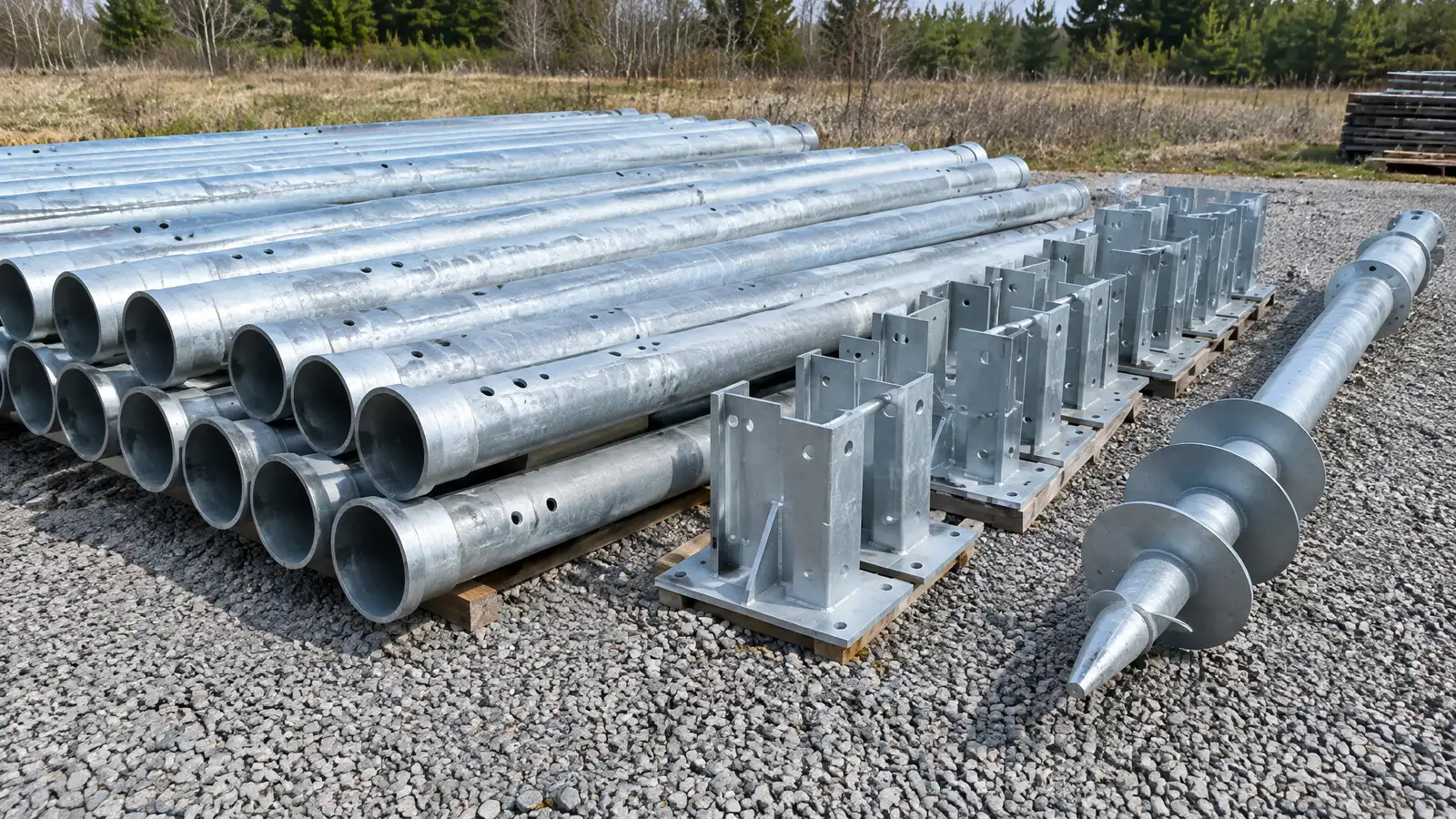 ResourceRam JackA maker of steel pier systems and tools used for foundation repair and stabilization, with educational information about…Learn more ResourceSupportworksA maker of foundation repair, wall stabilization and waterproofing systems with homeowner education about common problems.Learn more ResourceFortressA maker of carbon fiber wall reinforcement and other wall stabilization products used to strengthen basement walls.Learn more
Pick the project and options to see a typical sequence from estimate and engineering to utility marking, repair and cleanup.
You tell us what you see and where the property is. One call sets up a visit that fits your day.
A specialist walks the inside and outside, checks cracks, floors, moisture and drainage and takes measurements and photos.
You receive a plain written scope with the cause, the method, the location of each repair and the schedule before anything begins.
Utility marking is requested where digging is needed, access is protected and materials and any engineering are lined up.
Supports, drains, sealing or lifting are completed in a clear order, with photos and checks along the way.
The site is cleaned up, the work is explained on a walk-through and care and monitoring tips are shared.
Bouncy or sloped floors, squeaks, gaps under walls, tilting piers and damp or musty crawl spaces are common signs.
Often yes, by adjusting or replacing supports and addressing the framing, though old finishes and plumbing are taken into account.
Neither is better in every case. Each has strengths and needs, and good repairs fit the system you have.
Soft or damaged wood is usually replaced or sistered, while sound wood can stay once moisture is under control.
Often yes, since drying the crawl space protects the wood and keeps the repair working.
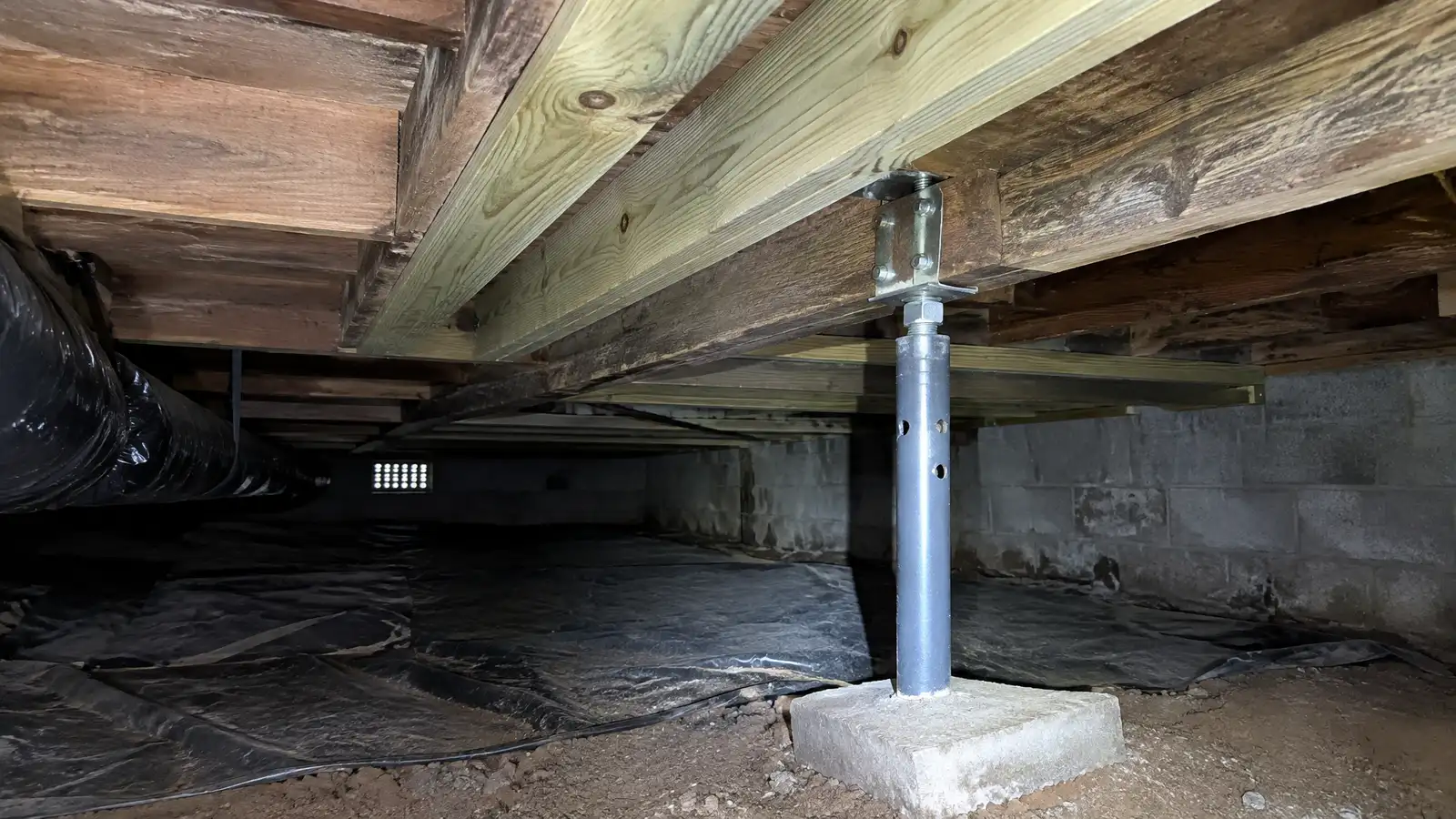 Crawl Space Repair and Structural SupportReplacing rotted wood, adding piers and beams and correcting damage under a house so the floor above is…Explore
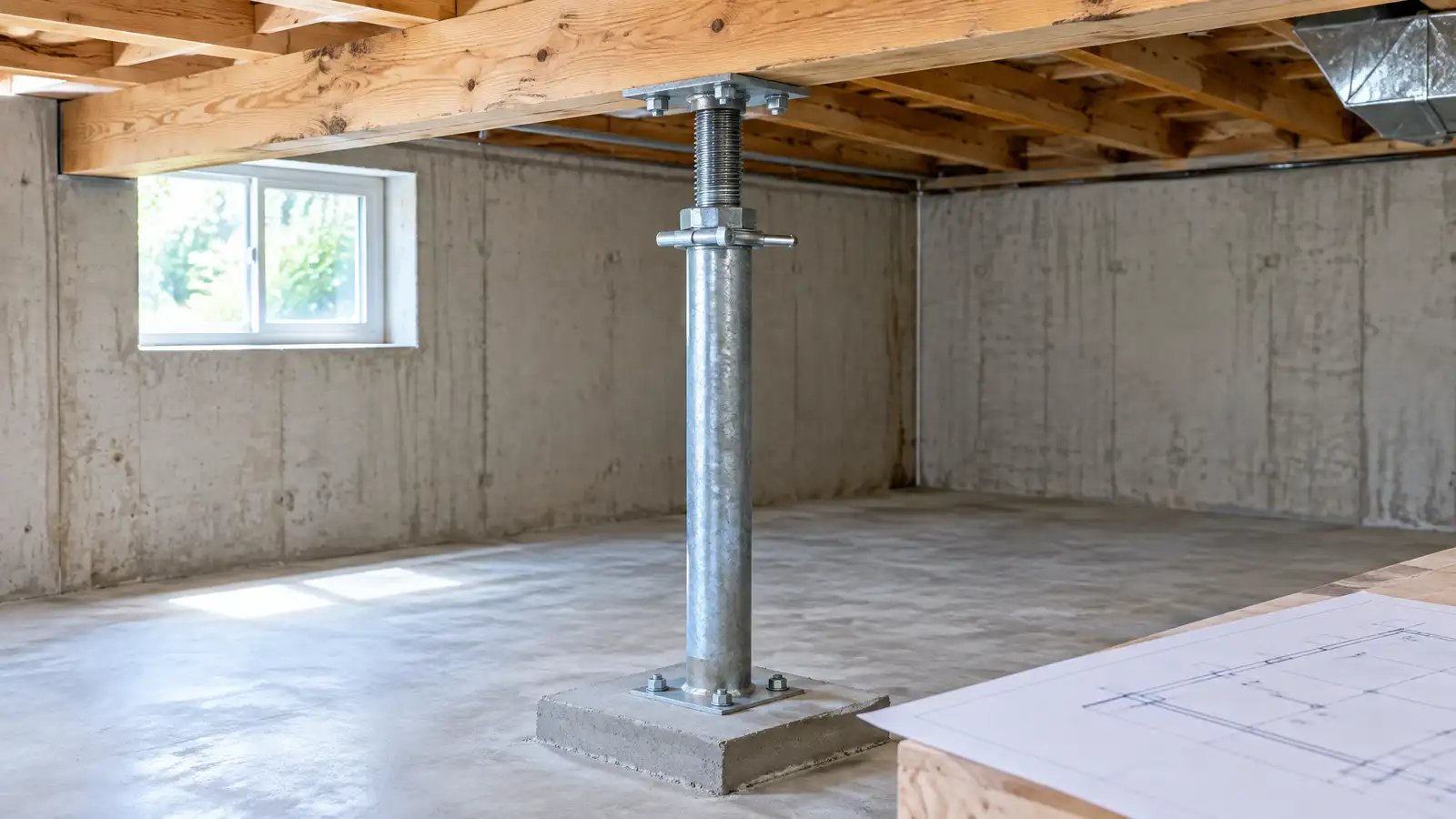 Girder and Jack Post ReplacementReplacing sagging girders and rusty or tilted jack posts so the main beam of the house carries its…Explore
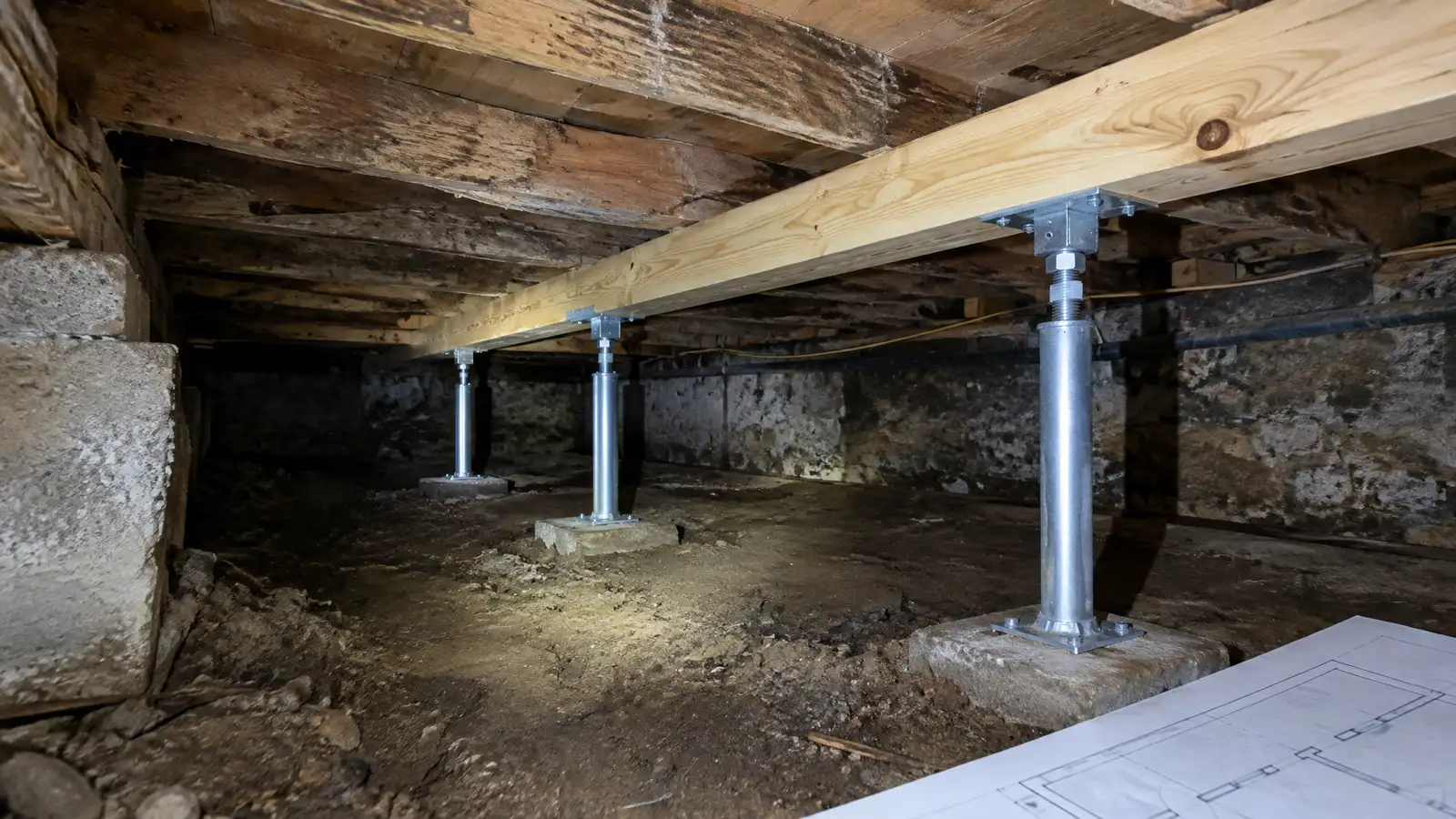 Sagging Floor RepairLifting and supporting sagging, bouncy or sloping floors from underneath, and fixing the cause so they stay put.Explore
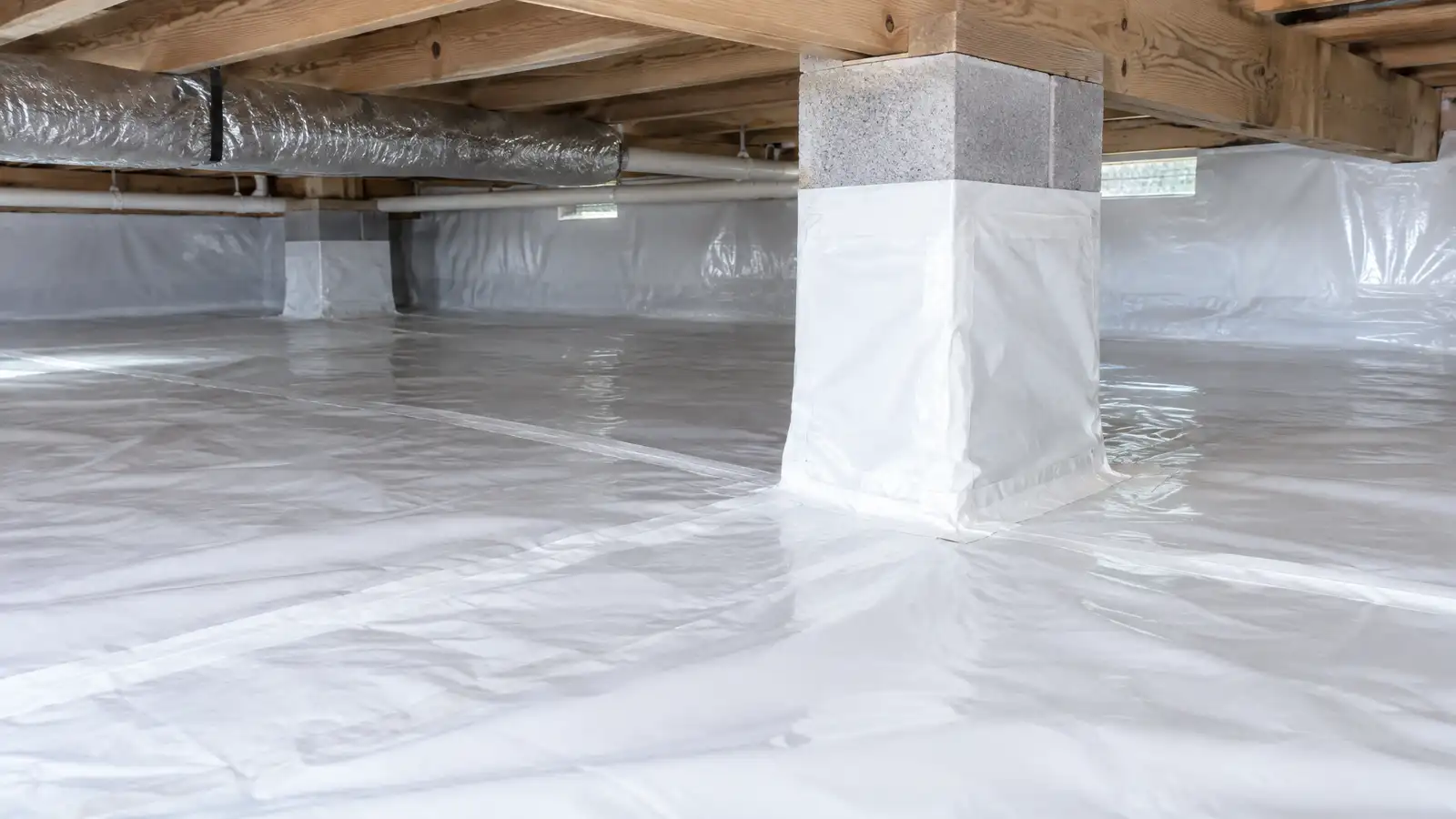 Crawl Space Vapor BarriersA tough plastic ground cover that blocks moisture rising from the soil, installed with sealed seams and clean…Explore
Tell us about your property and one specialist will call you back to set up a visit.
Or call (615) 431-3789 to talk now.