Serving Nashville and Middle TennesseeFree Estimate
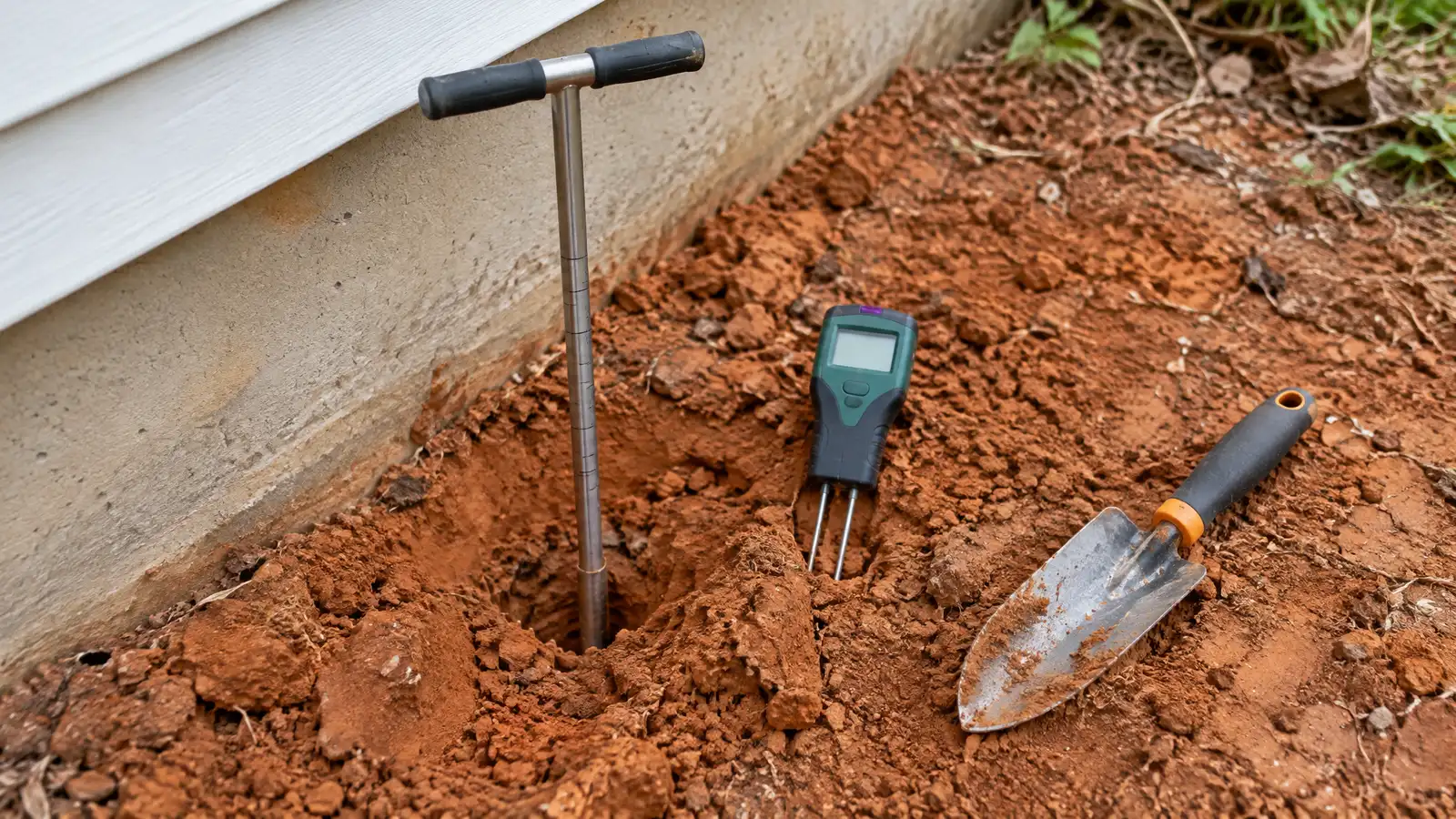
Readings and observations about the soil around your home and the moisture inside it, to find the real reason a foundation is struggling.
Foundations rarely fail on their own. The soil under and beside them, and the water moving through it, are usually part of the story. Nashville sits on a mix of clay, limestone and shallow rock, and each behaves differently when it gets wet or dry. A soil and moisture assessment looks for the match between what the ground is doing and what the house is showing.
Your specialist studies slopes, grading, downspouts, gutters, trees and irrigation, checks soil near the walls and measures moisture in crawl spaces, basements and slabs where access allows. Public soil maps are used for background, and observations from the property are added. You receive a plain summary of the likely moisture sources and soil behavior, with ideas to control them before or alongside any structural work.
Roof runoff, slopes and low spots show how water gathers around the foundation after rain.
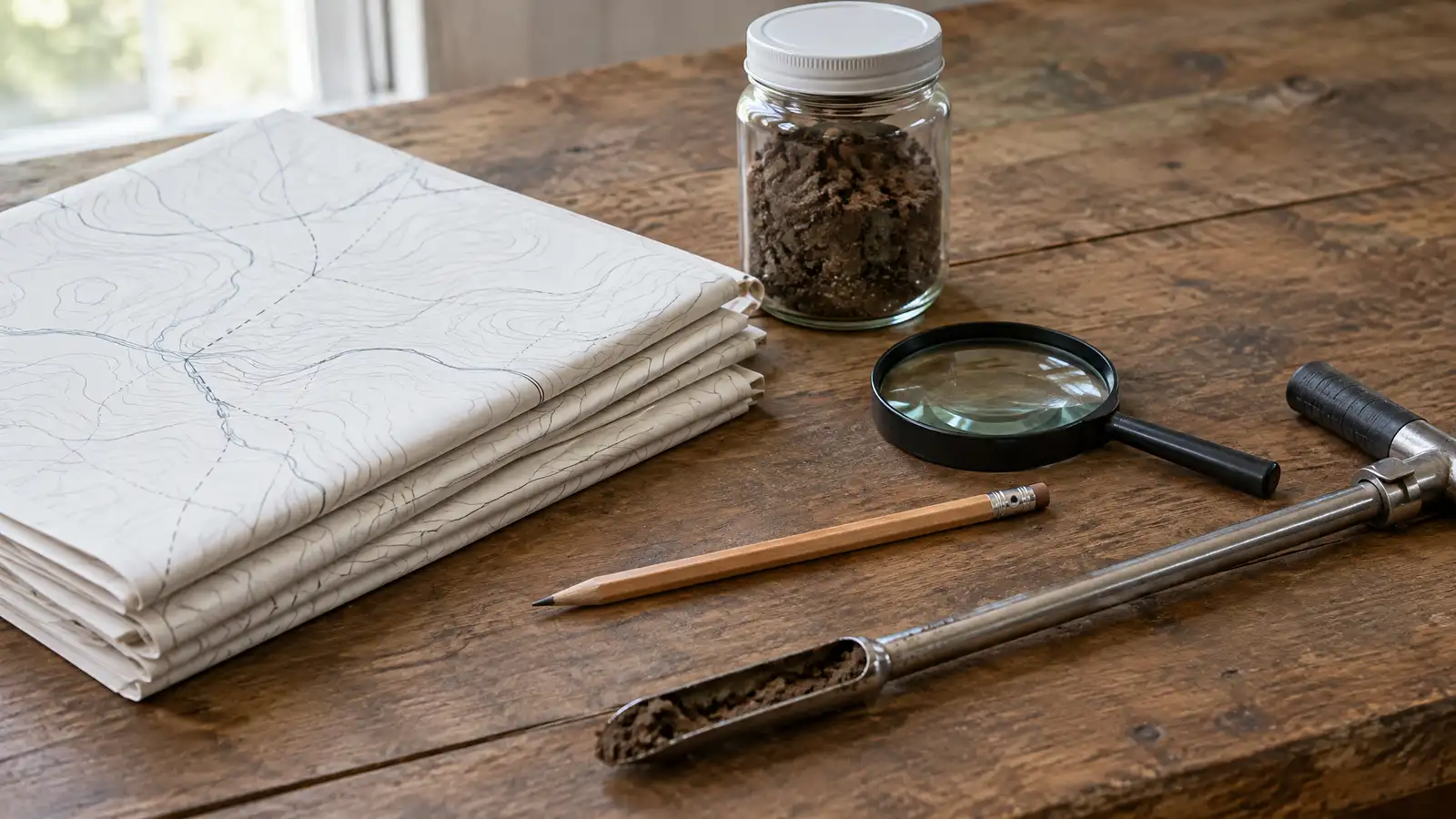
Clay swells when wet and shrinks when dry, while rocky or sandy soils drain differently, and each affects support in its own way.
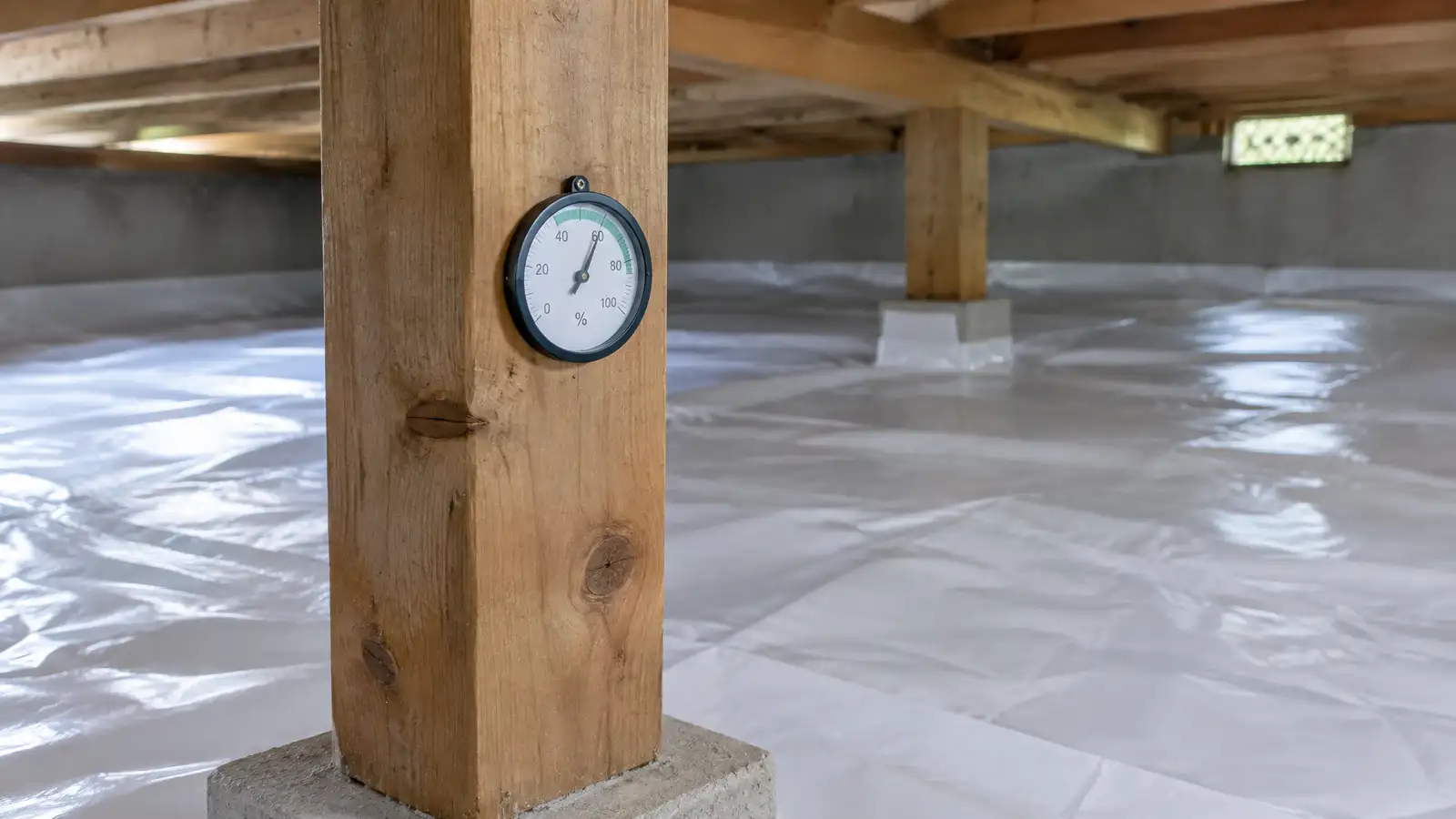
Meters and simple tests show how damp the crawl space, basement or slab really is.
The summary points to drainage and moisture control that protect repairs and keep them working.
Drag the handle to compare.
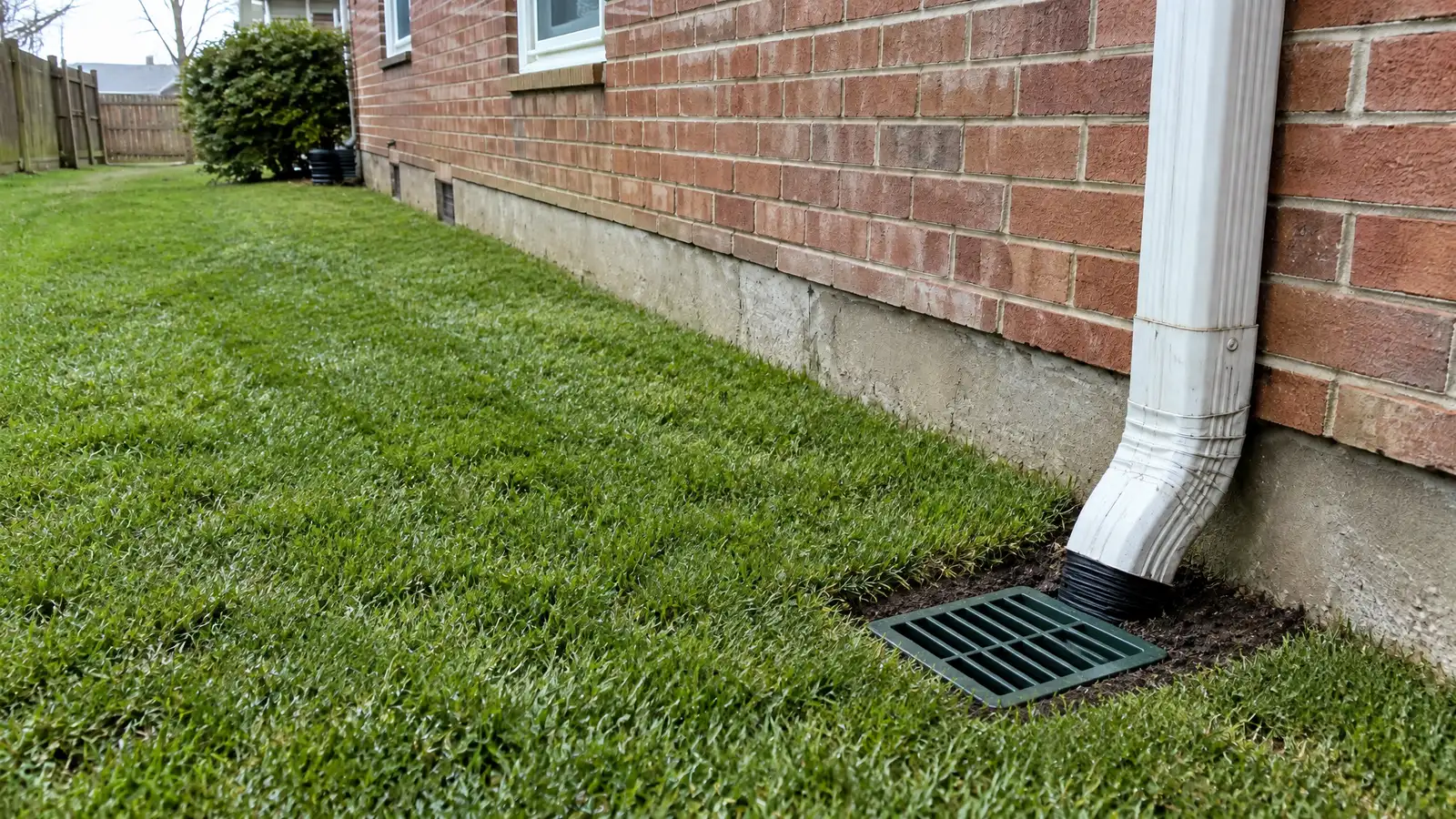
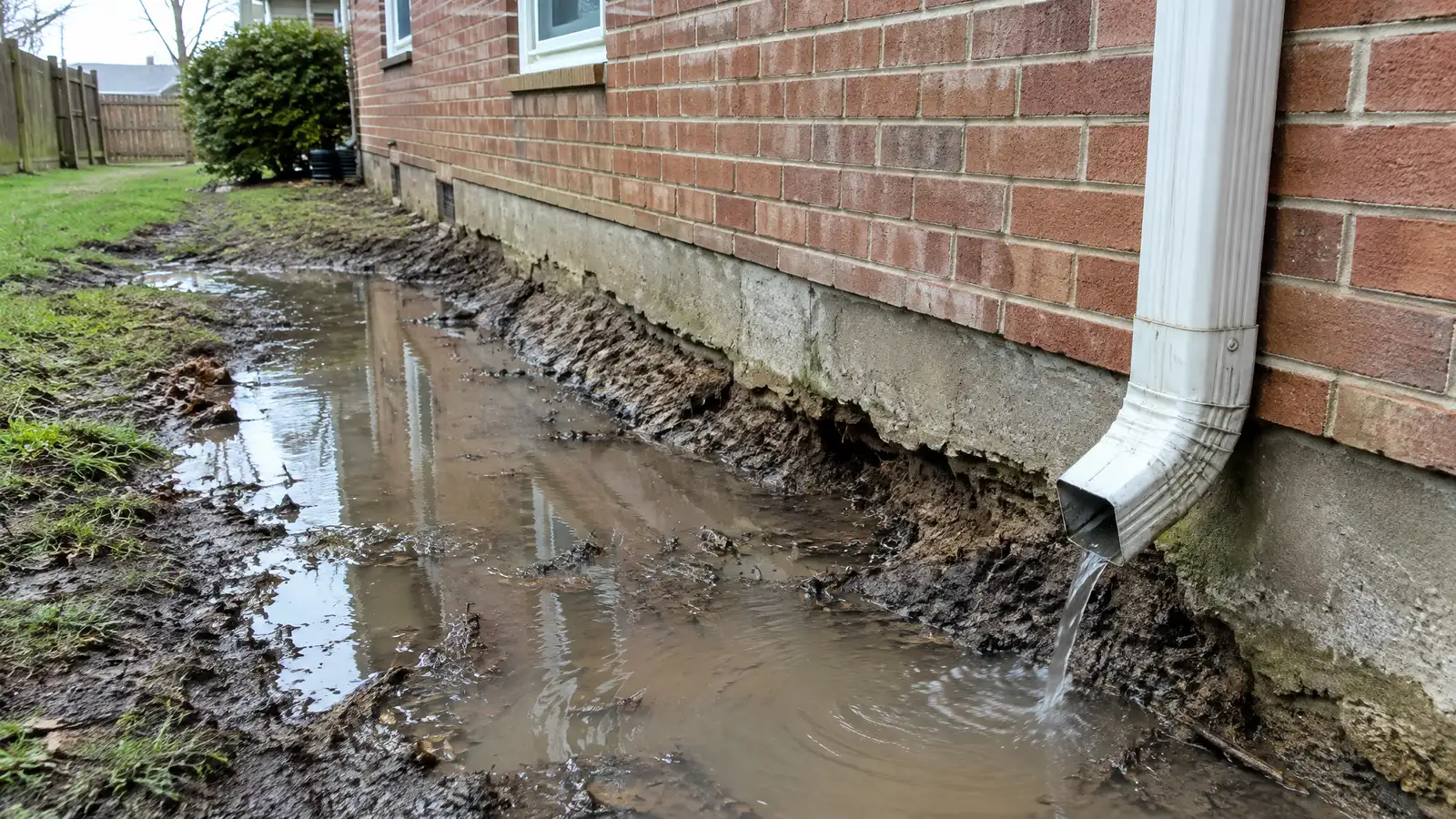 BeforeAfter
Slopes, drains and trees reviewed.
Observations and public soil maps used.
Crawl space, basement and slab readings.
Roof, grade, plumbing and groundwater considered.
Plain summary of what is happening.
Drainage and moisture steps suggested.
Every topic has its own page with what to expect and how we approach it.
 ResourceFEMAThe federal portal where you can look up flood maps and flood zones for an address and read…Learn more
 Comparison guideMoisture and Vapor BarriersHow moisture moves into a house from the soil, air and leaks, and how vapor barriers, drains and…Learn more
 ResourceASCEA professional society for civil engineers that publishes standards, research and public information on structures, soils and infrastructure.Learn more
Pick what you see in your walls, floors, basement, crawl space or concrete to get likely causes, what to try first and the service page that fits.
You tell us what you see and where the property is. One call sets up a visit that fits your day.
A specialist walks the inside and outside, checks cracks, floors, moisture and drainage and takes measurements and photos.
You receive a plain written scope with the cause, the method, the location of each repair and the schedule before anything begins.
Utility marking is requested where digging is needed, access is protected and materials and any engineering are lined up.
Supports, drains, sealing or lifting are completed in a clear order, with photos and checks along the way.
The site is cleaned up, the work is explained on a walk-through and care and monitoring tips are shared.
Support under a foundation depends on soil that stays firm, and swelling, shrinking or washing out can all let a structure move.
Clay is common across the region. Observations and public soil maps help confirm what is likely, and some jobs call for a geotechnical test.
Yes. Leaks and condensation can add moisture too, so supply lines and drain lines are part of the picture.
Moisture readings are not mold tests, and your specialist can point you to appropriate testing if you want it.
Yes. Knowing the water and soil story helps choose methods that last.
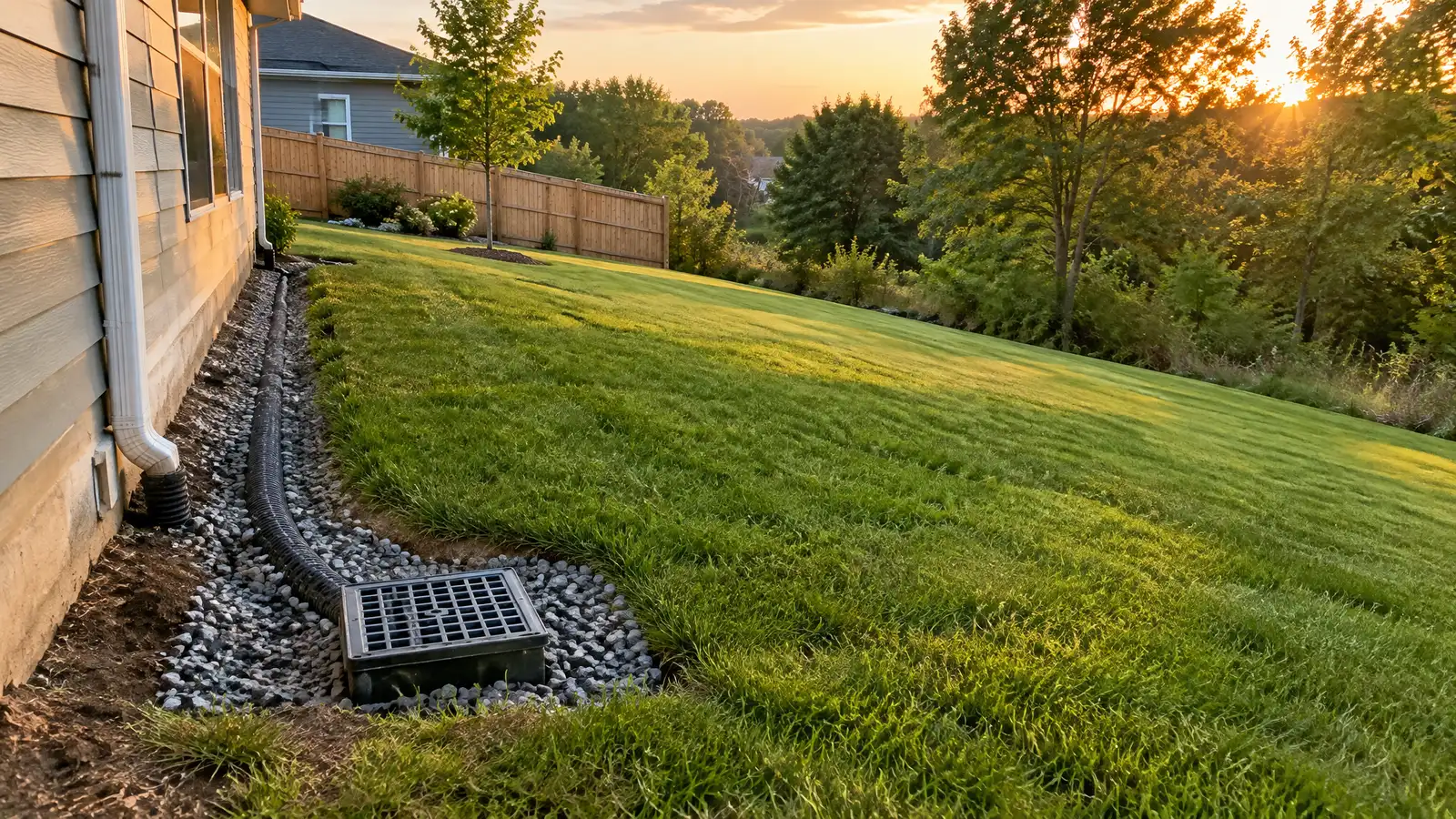 Yard Drainage SolutionsA plan to move rain and runoff away from your house and across your lot, using drains, grading…Explore
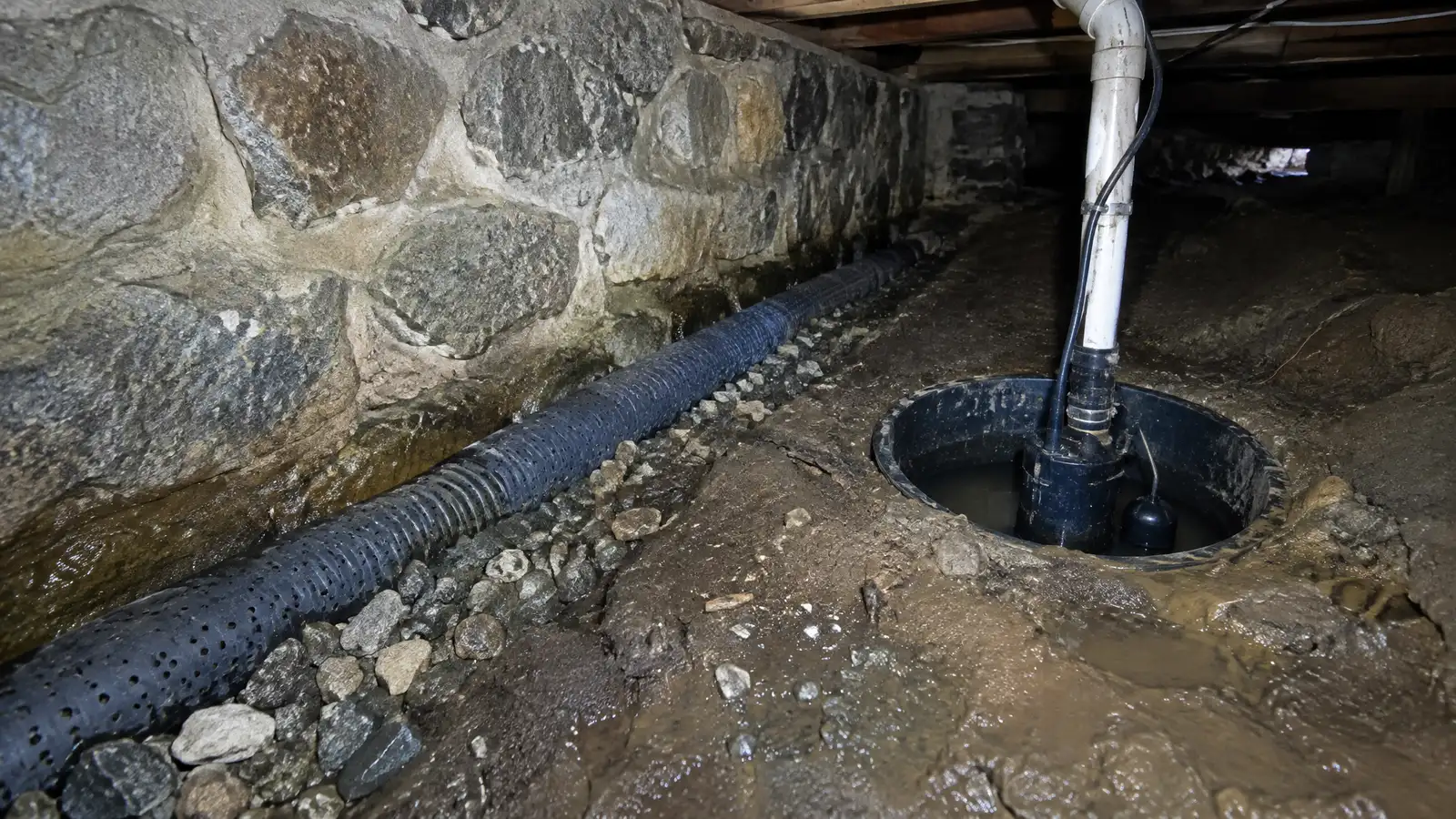 Crawl Space Drainage and WaterproofingDrains, sump pumps and sealing that remove standing water and stop seepage under the house.Explore
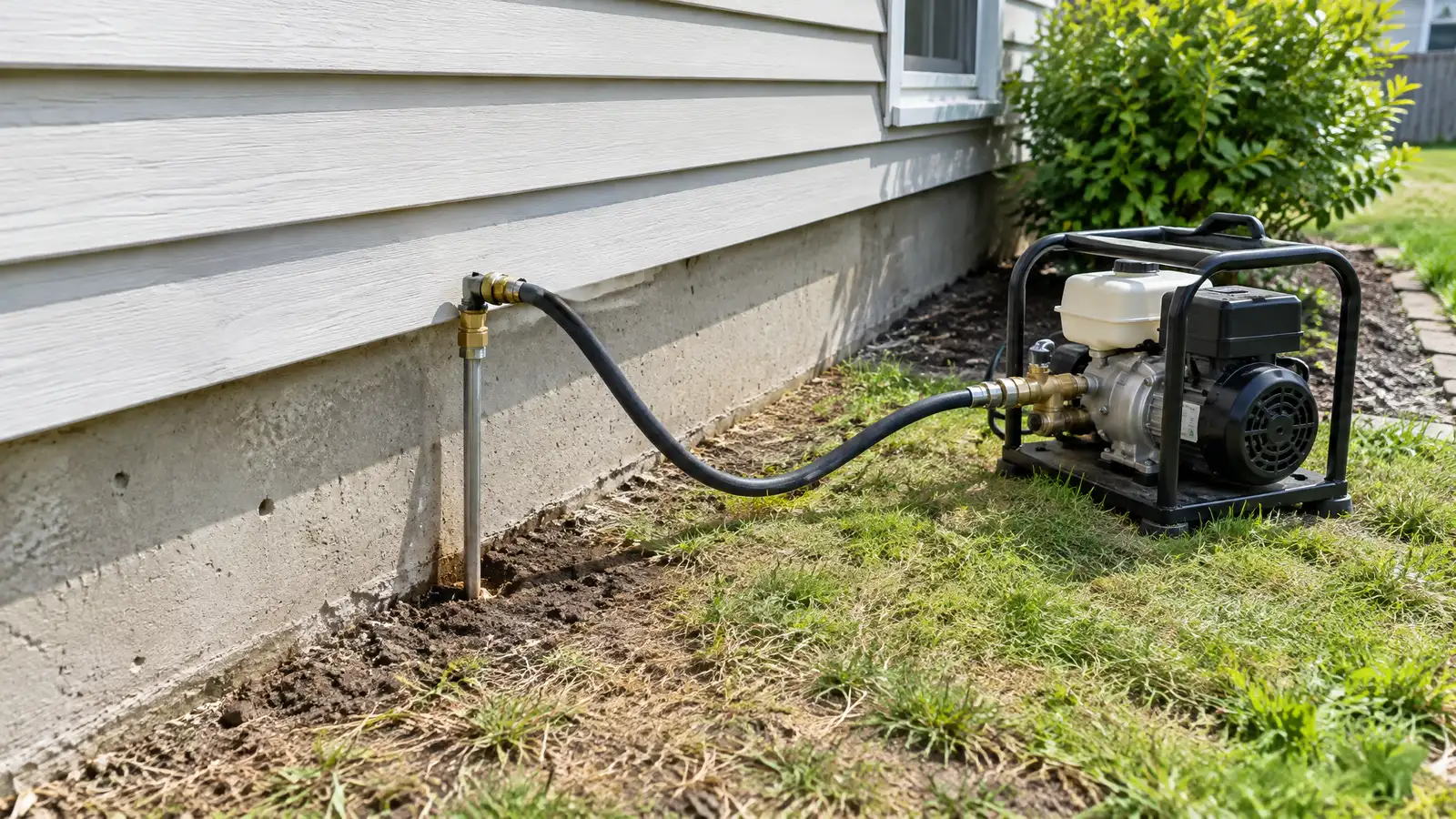 Soil Injection and StabilizationInjecting materials into weak or expansive soil to firm it up, fill voids and reduce movement under a…Explore
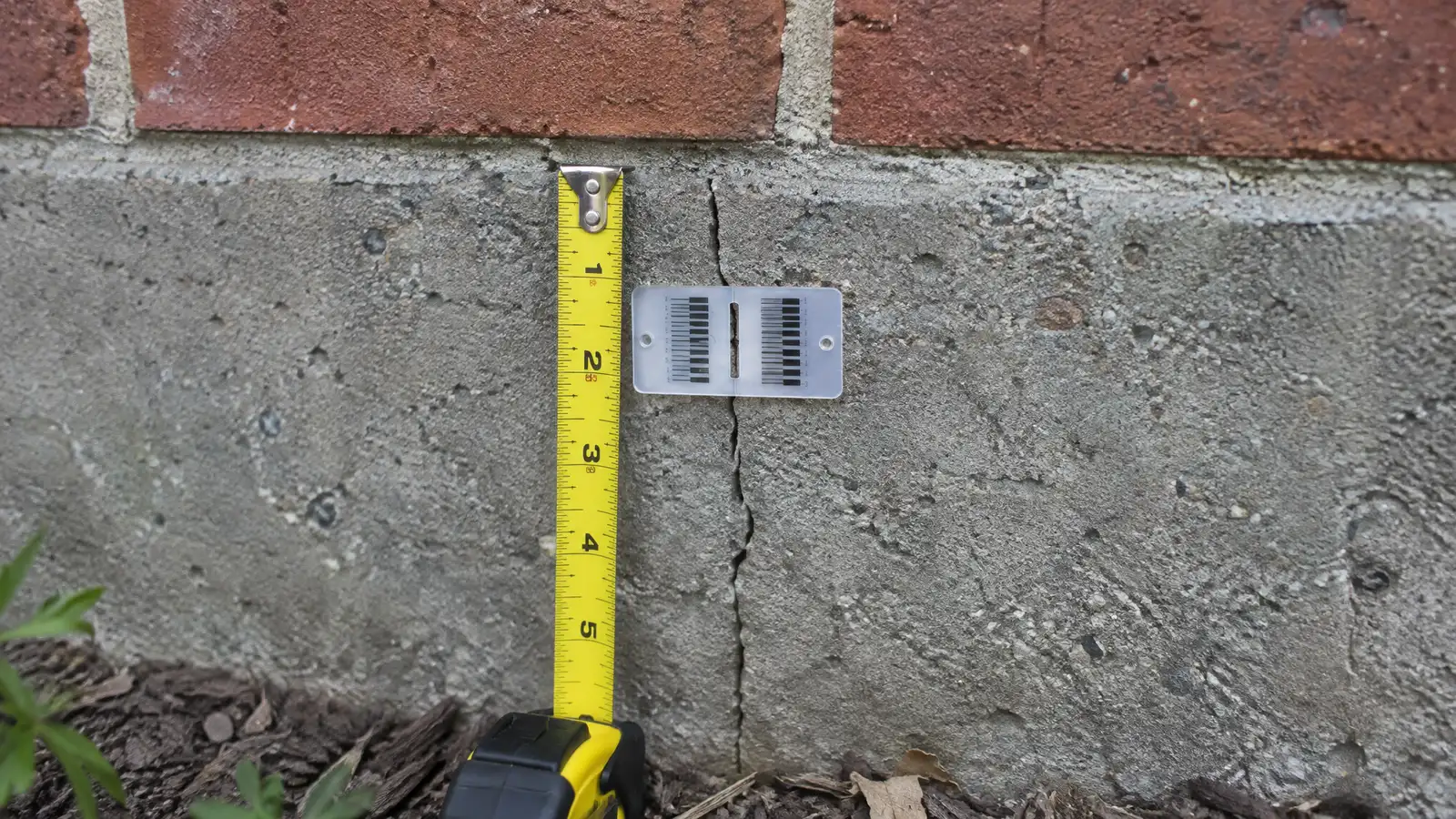 Foundation InspectionsA careful look at the walls, floors, cracks, moisture and drainage around your home, so you know what…Explore
Tell us about your property and one specialist will call you back to set up a visit.
Or call (615) 431-3789 to talk now.