Serving Nashville and Middle TennesseeFree Estimate
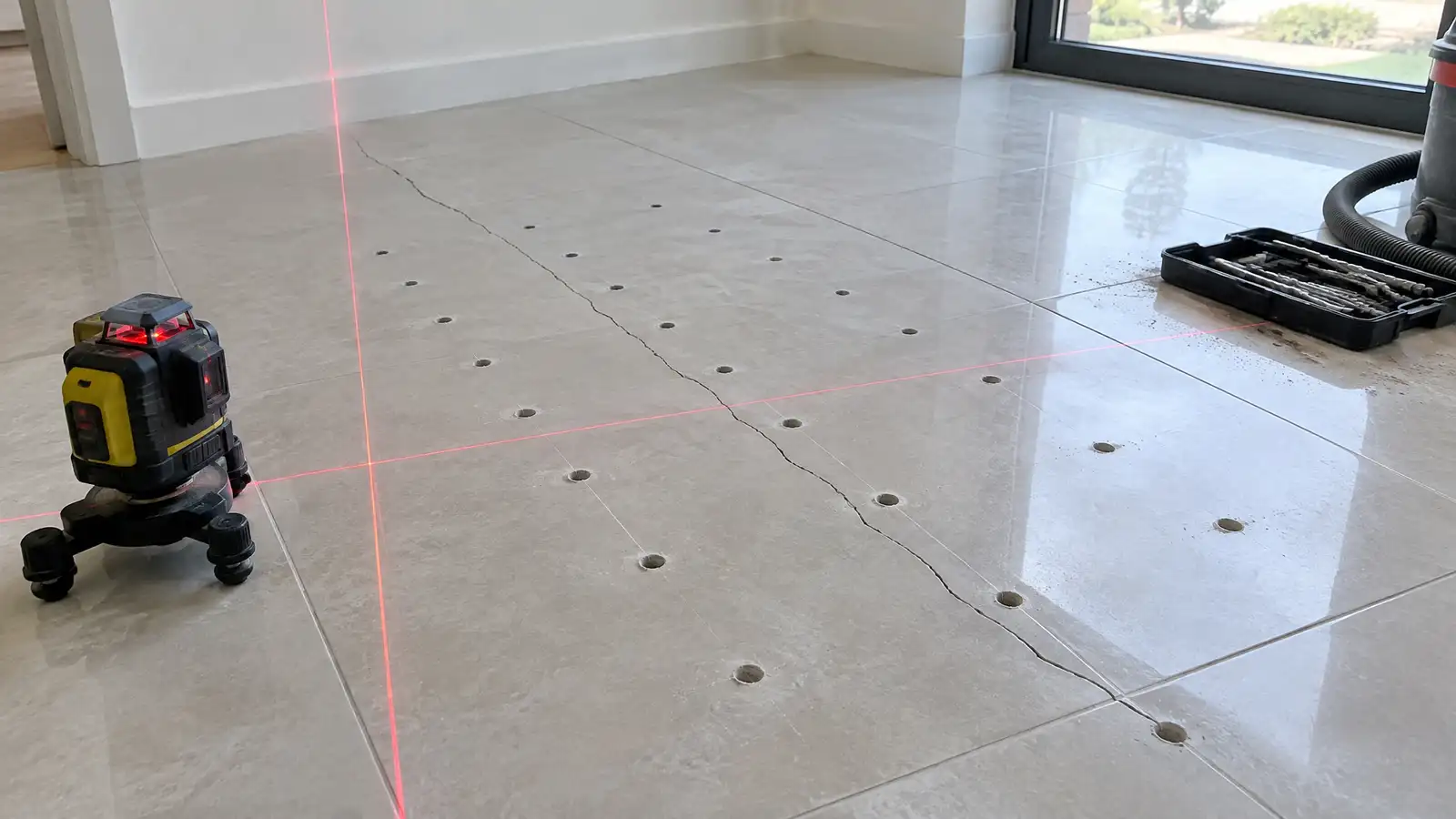
Repairs for cracked, sunken or heaved concrete slab foundations, using support, lifting and moisture control to restore a stable floor.
Slab-on-grade foundations have no basement and no crawl space, so a problem shows up directly in the floor. Cracks run across tile, doors rub, and one corner may sit lower than the rest. Many newer Nashville subdivisions use slabs, and their performance depends on how well the soil was prepared and how water drains around the house.
Your specialist maps slab elevations, inspects cracks and checks plumbing, grading and gutters. Repairs may include slab piers, foam lifting, sealing cracks and filling voids, along with drainage or leak fixes to protect the soil. Flooring repairs are noted in the scope, since lifting can affect tile or wood. The plan explains the order of steps and what you can expect when the work is done.
Elevation readings show whether the slab has sunk, heaved or tilted, which changes the repair.
Leaks under a slab can wash out soil, so lines are considered before a lift is planned.
Piers carry a slab on deep supports, while foam or grout fills voids under it. The plan uses what fits.
Finishes are considered in the plan, since tile and wood can crack or shift as a slab moves.
Drag the handle to compare.
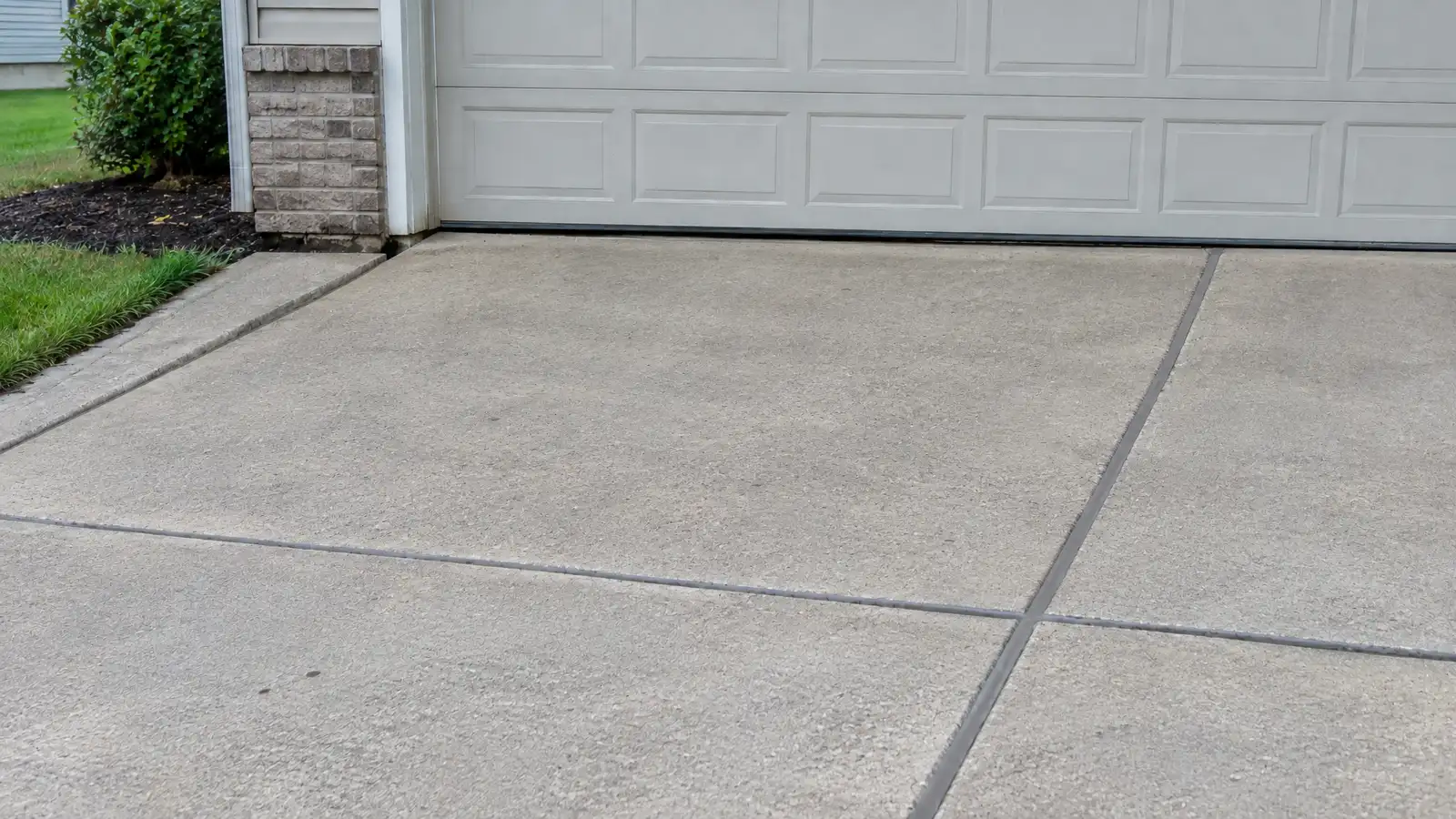
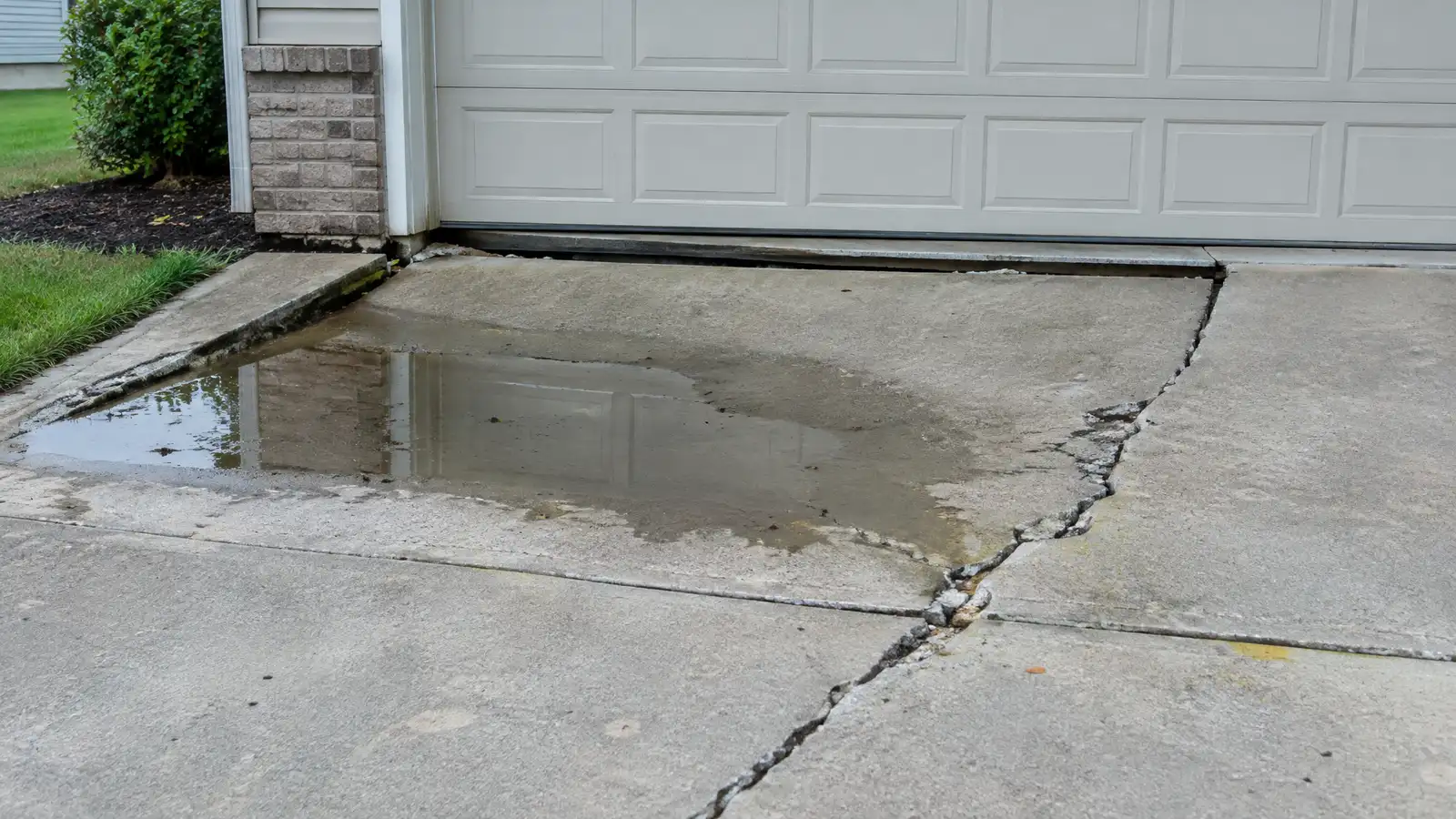 BeforeAfter
Elevations and cracks recorded.
Plumbing and drainage reviewed.
Piers, foam or fill.
Raised toward level in steps.
Surface and joints treated.
Finishes checked and next steps shared.
Every topic has its own page with what to expect and how we approach it.
 ResourceASCEA professional society for civil engineers that publishes standards, research and public information on structures, soils and infrastructure.Learn more
 ResourceSimpson Strong-TieA maker of structural connectors, anchors and fasteners used in framing, concrete and masonry, with engineering resources.Learn more ResourceSikaA global maker of construction chemicals, including crack injection resins, waterproofing and concrete repair materials.Learn more
Answer a few questions about what you see, your foundation type, moisture and soil to learn which repair methods usually fit.
You tell us what you see and where the property is. One call sets up a visit that fits your day.
A specialist walks the inside and outside, checks cracks, floors, moisture and drainage and takes measurements and photos.
You receive a plain written scope with the cause, the method, the location of each repair and the schedule before anything begins.
Utility marking is requested where digging is needed, access is protected and materials and any engineering are lined up.
Supports, drains, sealing or lifting are completed in a clear order, with photos and checks along the way.
The site is cleaned up, the work is explained on a walk-through and care and monitoring tips are shared.
Concrete shrinks as it cures, and soil movement, heave and poor drainage can crack it further. The pattern and width show how serious it is.
Sometimes. Heave from swelling clay or moisture has different solutions than settlement, and your specialist explains the options.
Some tile may crack or shift, and the scope discusses likely flooring repairs.
Most slab work is cleaner than people expect, and protection is placed over floors and furnishings.
Addressing the cause, such as water or soil loss, is what keeps cracks from returning.
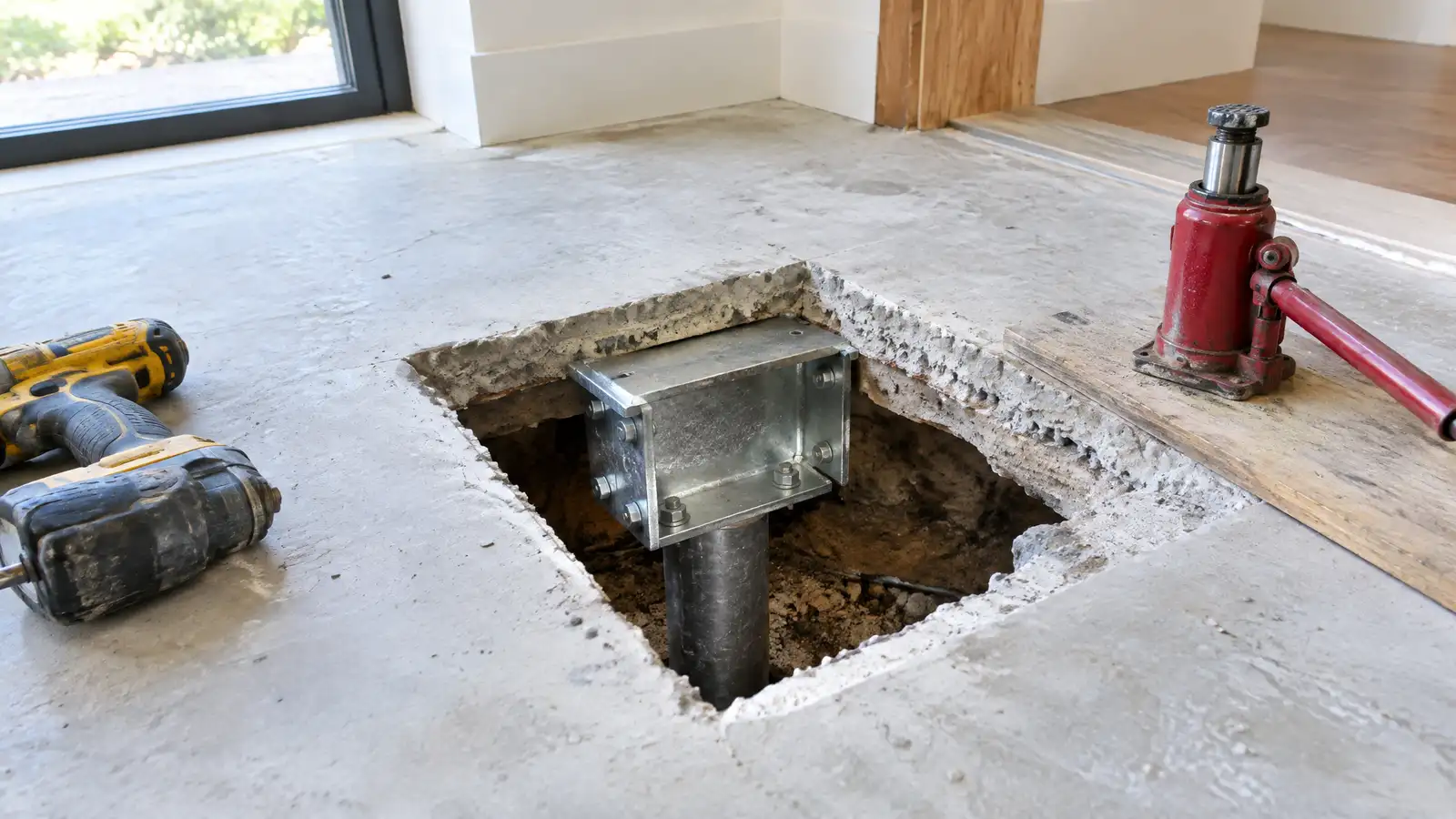 Slab Pier Foundation RepairPiers installed through or beside a concrete slab to lift and support a sinking interior floor without tearing…Explore
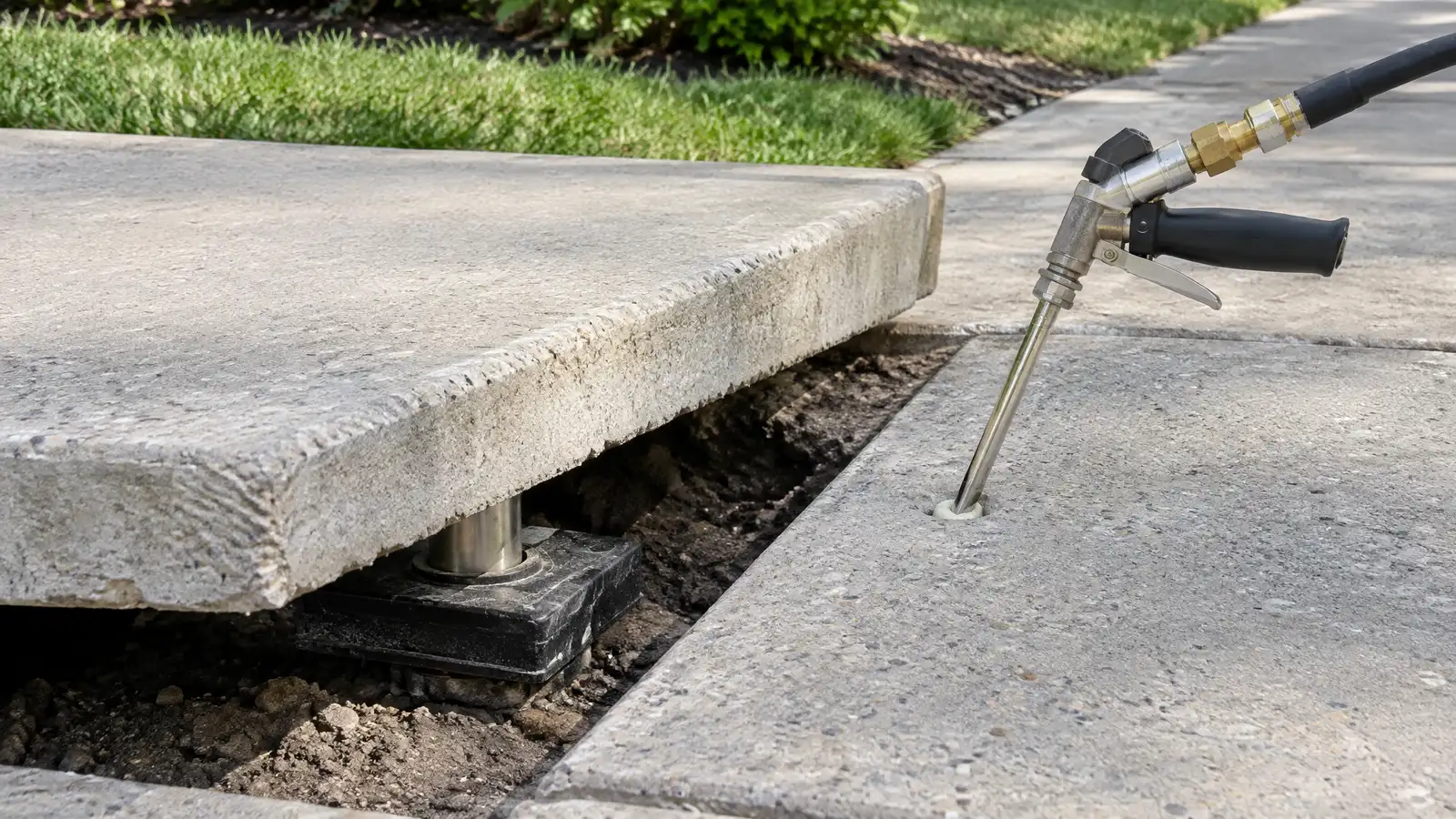 Polyurethane Foam Concrete LiftingLightweight expanding foam injected under sunken concrete to fill voids, lift the slab and stabilize it with minimal…Explore
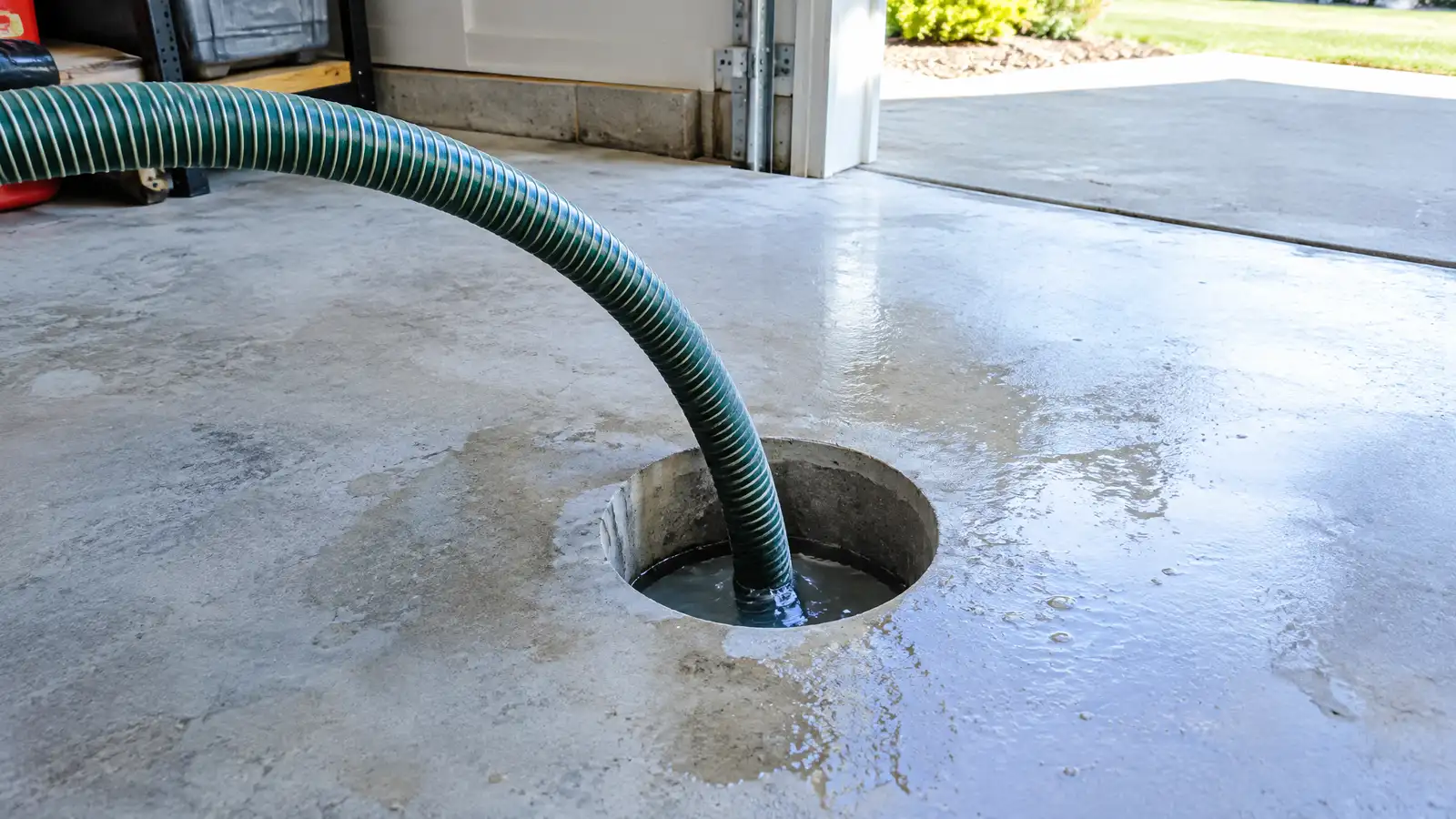 Void Filling Under SlabsFinding and filling hidden gaps beneath concrete floors, steps, garages and slabs to restore support.Explore
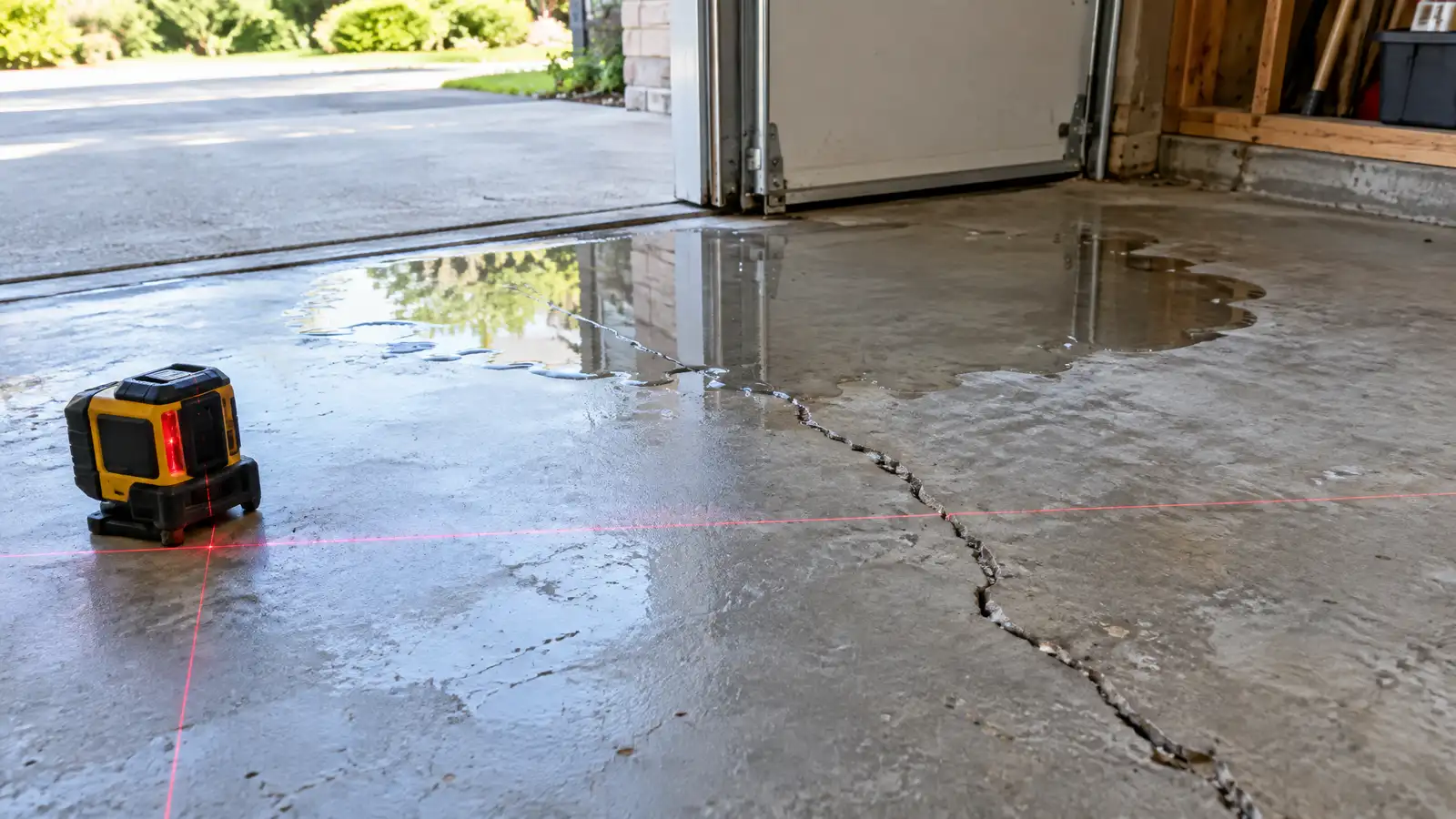 Garage Foundation RepairRepairs for garage slabs and footings that crack, tilt or sink, so doors close, floors drain and vehicles…Explore
Tell us about your property and one specialist will call you back to set up a visit.
Or call (615) 431-3789 to talk now.