Serving Nashville and Middle TennesseeFree Estimate
How a foundation that sinks differs from one that lifts, what usually causes each and how repairs differ.
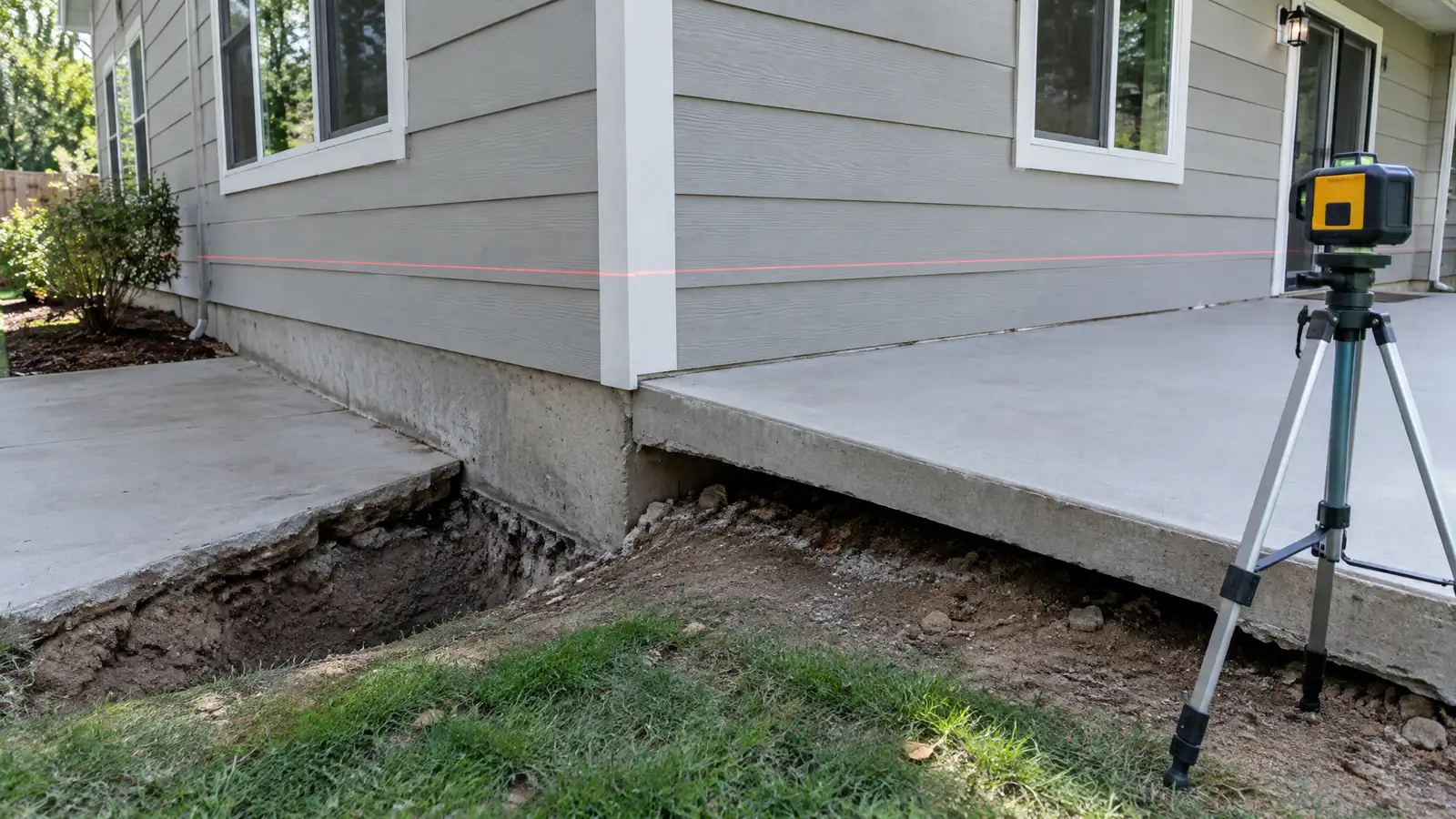
Settlement means part of a foundation has moved down. It can come from soil that compresses, dries and shrinks, washes out or was poorly compacted. Heave means part of a foundation has moved up, usually because clay soil swelled with moisture, tree roots lifted a slab or frozen soil pushed upward. Both can crack walls and floors, and they leave different clues.
Settlement often shows stair-step cracks that open wider toward one side and floors that slope down. Heave can crack slabs in a raised dome and push doors and walls out of square. The cure depends on the cause. Settlement often calls for piers, soil stabilization or drainage. Heave may call for moisture control, root management and sometimes a careful release or repair.
Part of a foundation moves down as soil compresses or washes out.
Part of a foundation moves up as clay swells or roots push.
Crack direction and floor slope help tell which one is happening.
Both are strongly influenced by moisture in the soil.
Roots can dry clay or lift slabs, adding to both problems.
Support, drainage and moisture control fit each case differently.
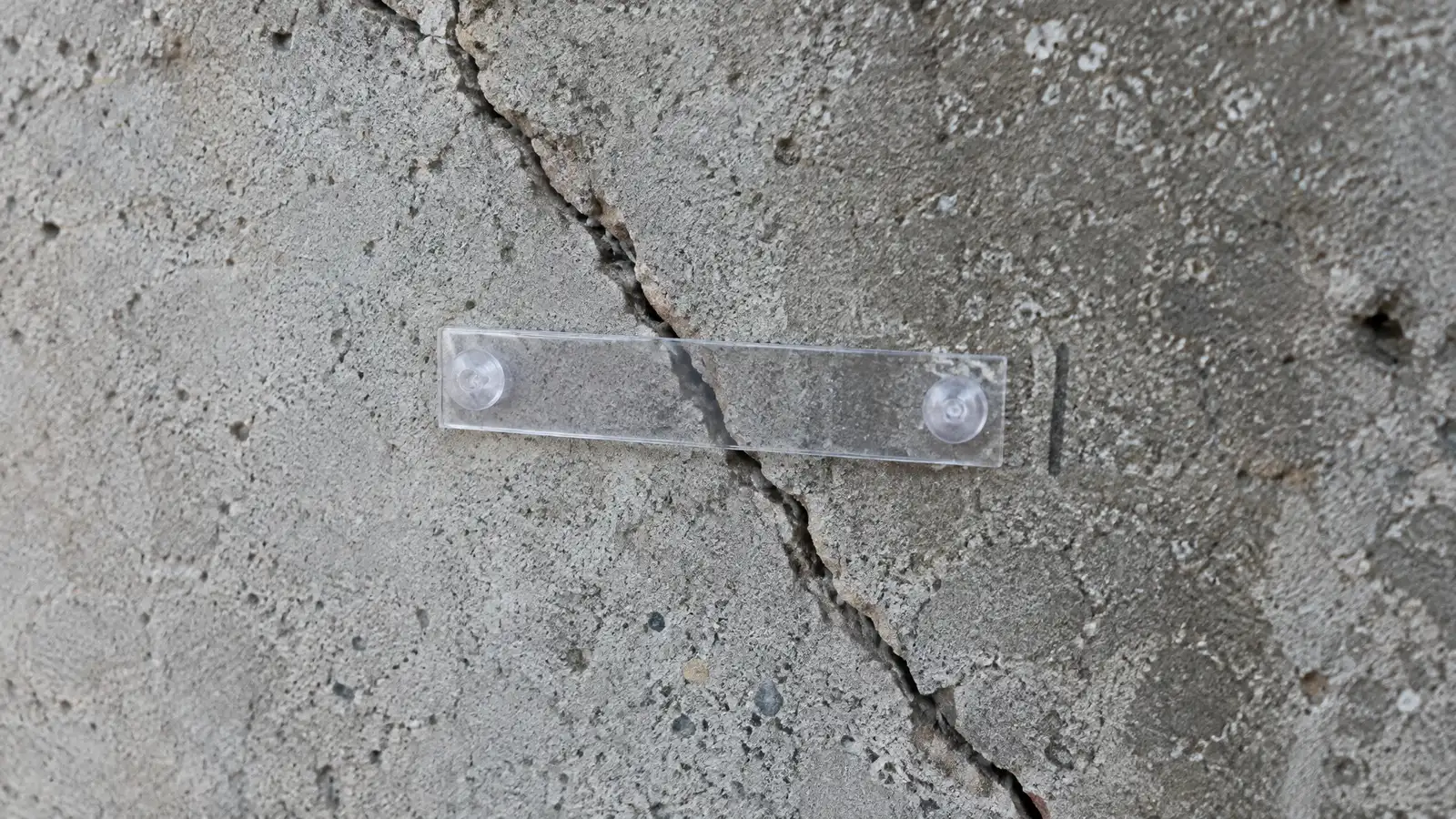 Foundation Crack EvaluationA specialist reads the width, direction and pattern of your cracks to tell harmless shrinkage from movement that…Explore
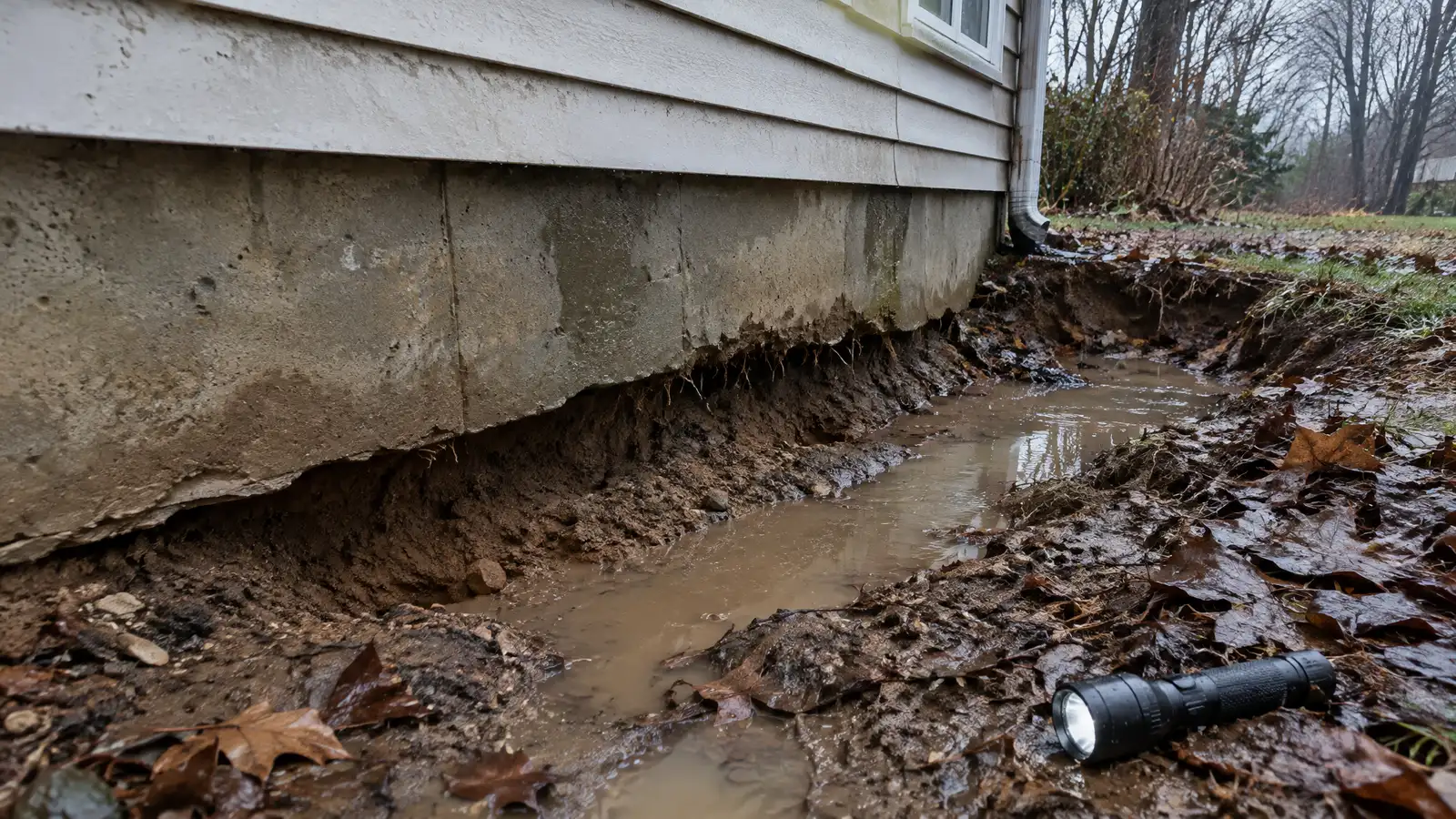 Post-Storm and Flood Foundation AssessmentsA prompt look at foundations, crawl spaces and basements after heavy rain, flooding or storms to catch damage…Explore
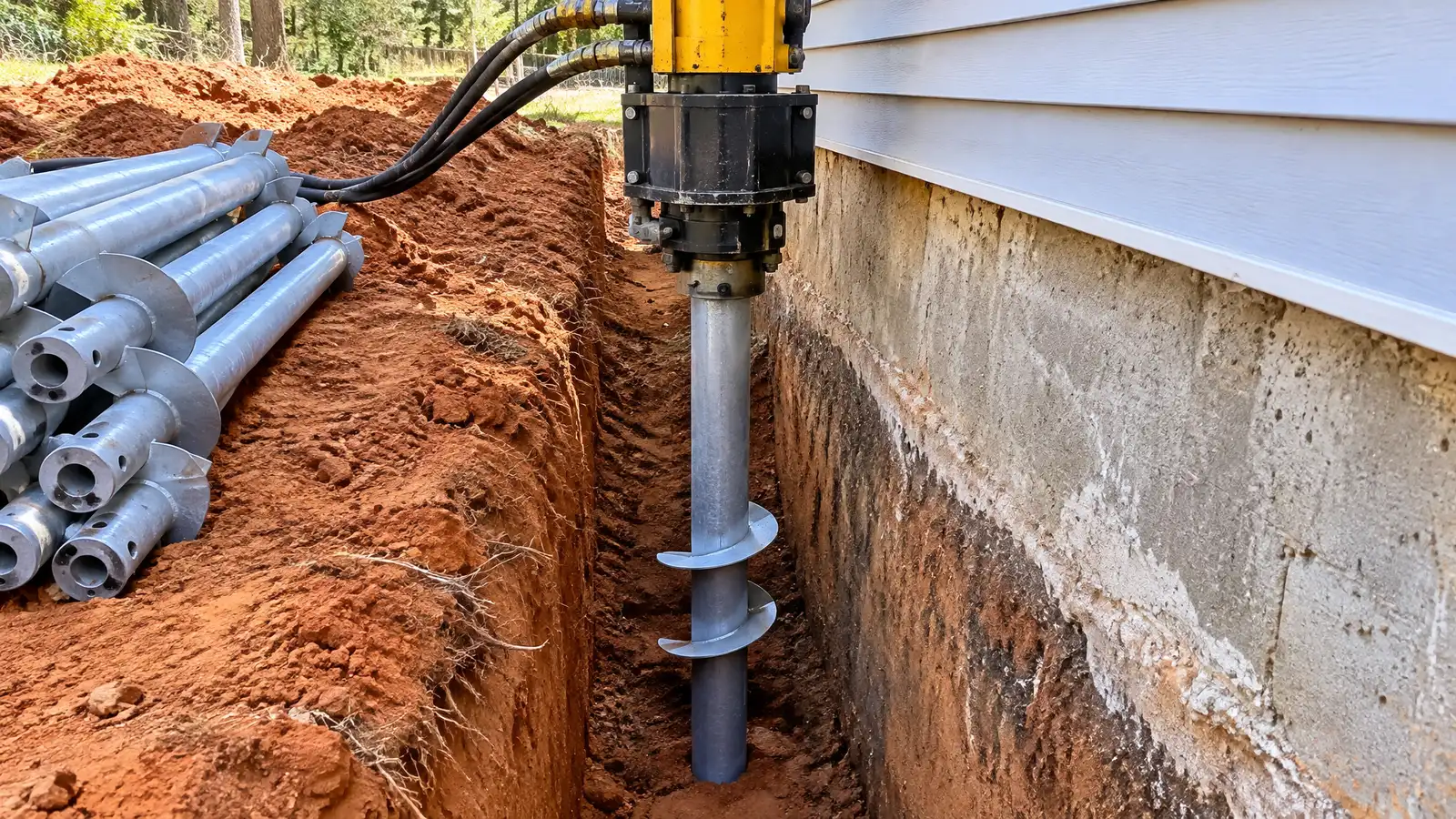 Helical Pier Foundation RepairScrew-in steel piers that stabilize light and heavy structures, with torque readings that show how much load each…Explore
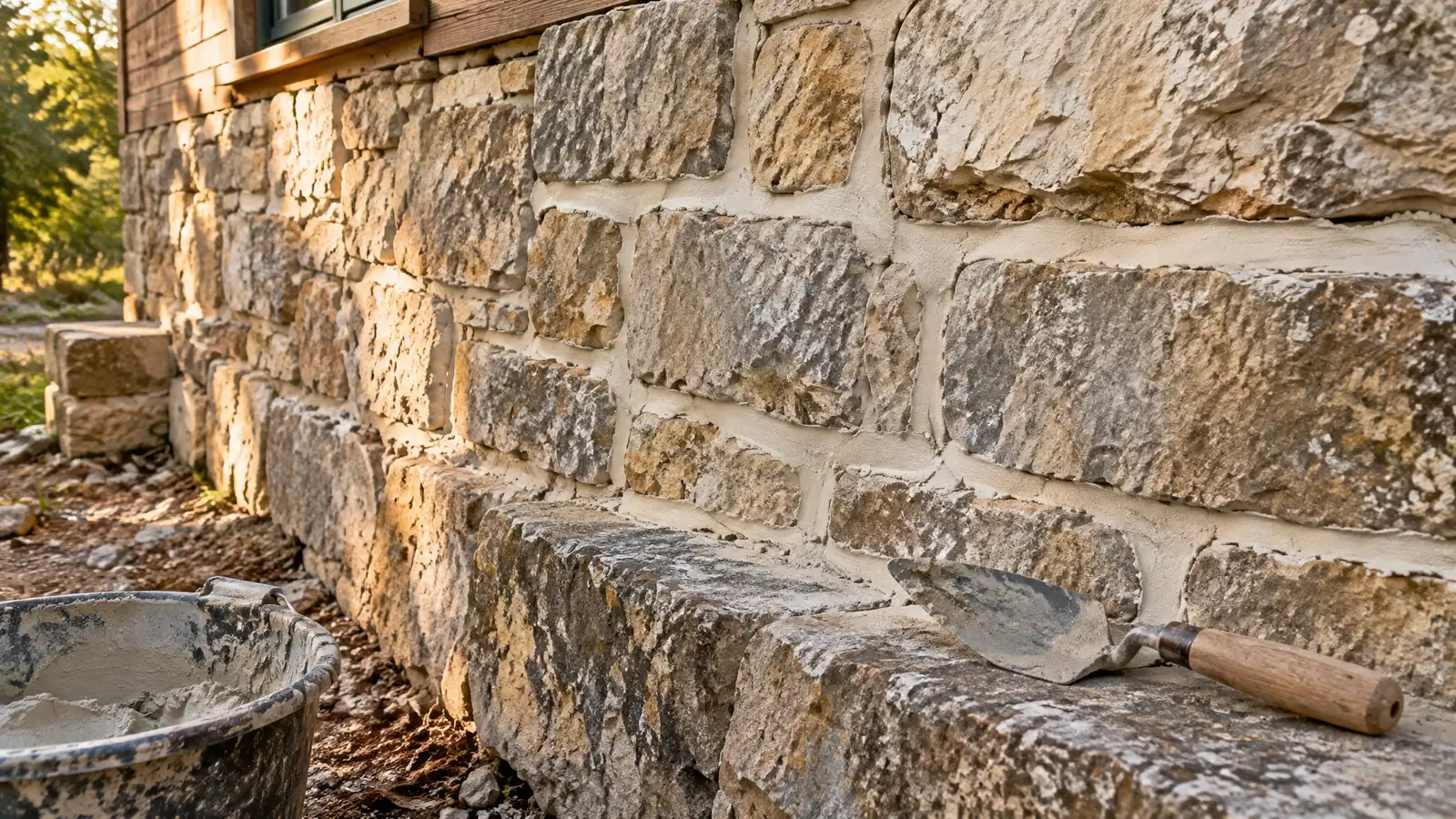 Stone Foundation RepairCareful repair of old fieldstone and limestone foundations, with repointing, stabilization and drainage that respect the original build.Explore
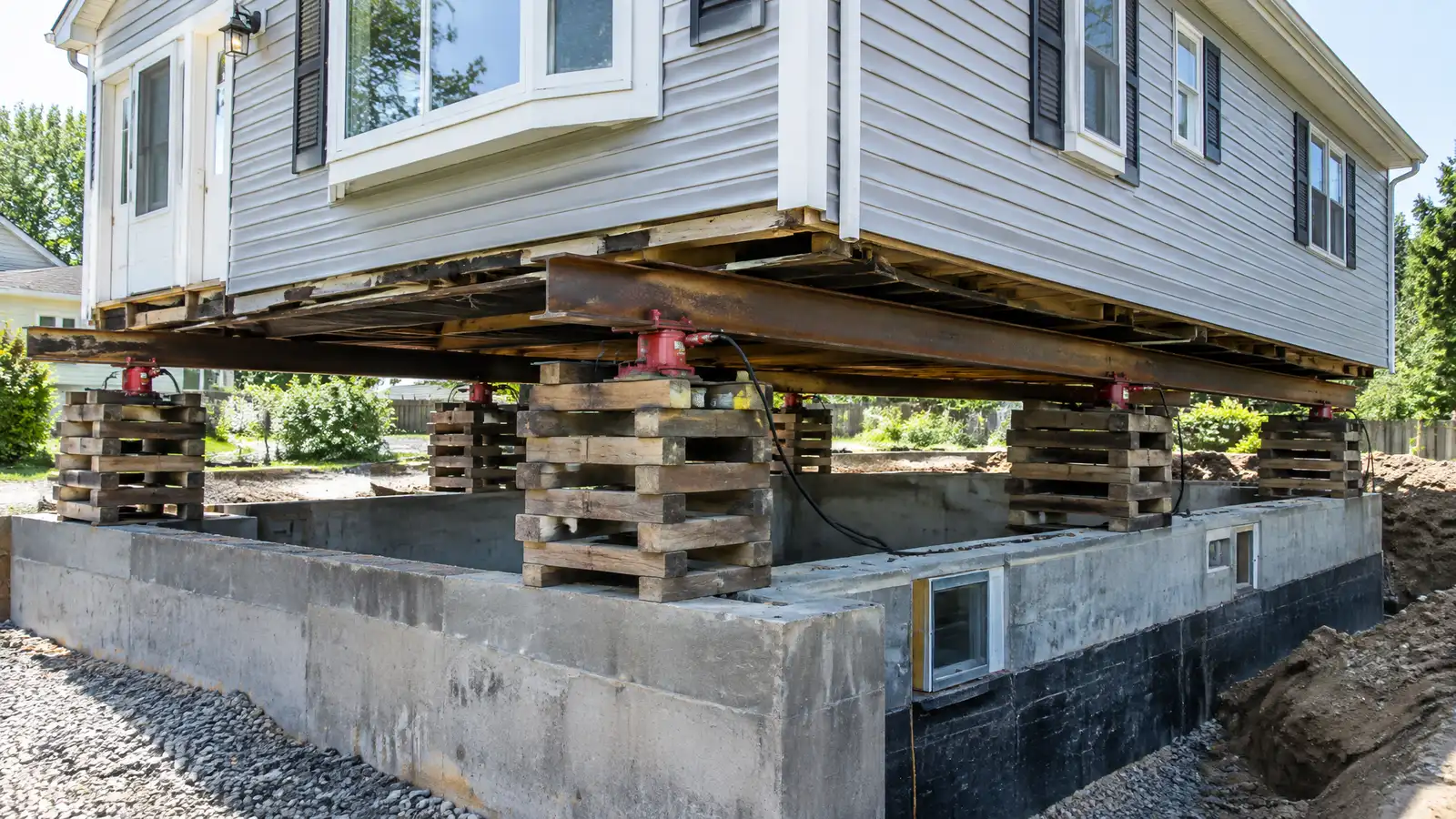 Foundation Leveling and House RaisingRaising and leveling a house on its foundation, for settlement repair, flood protection or a new foundation below.Explore
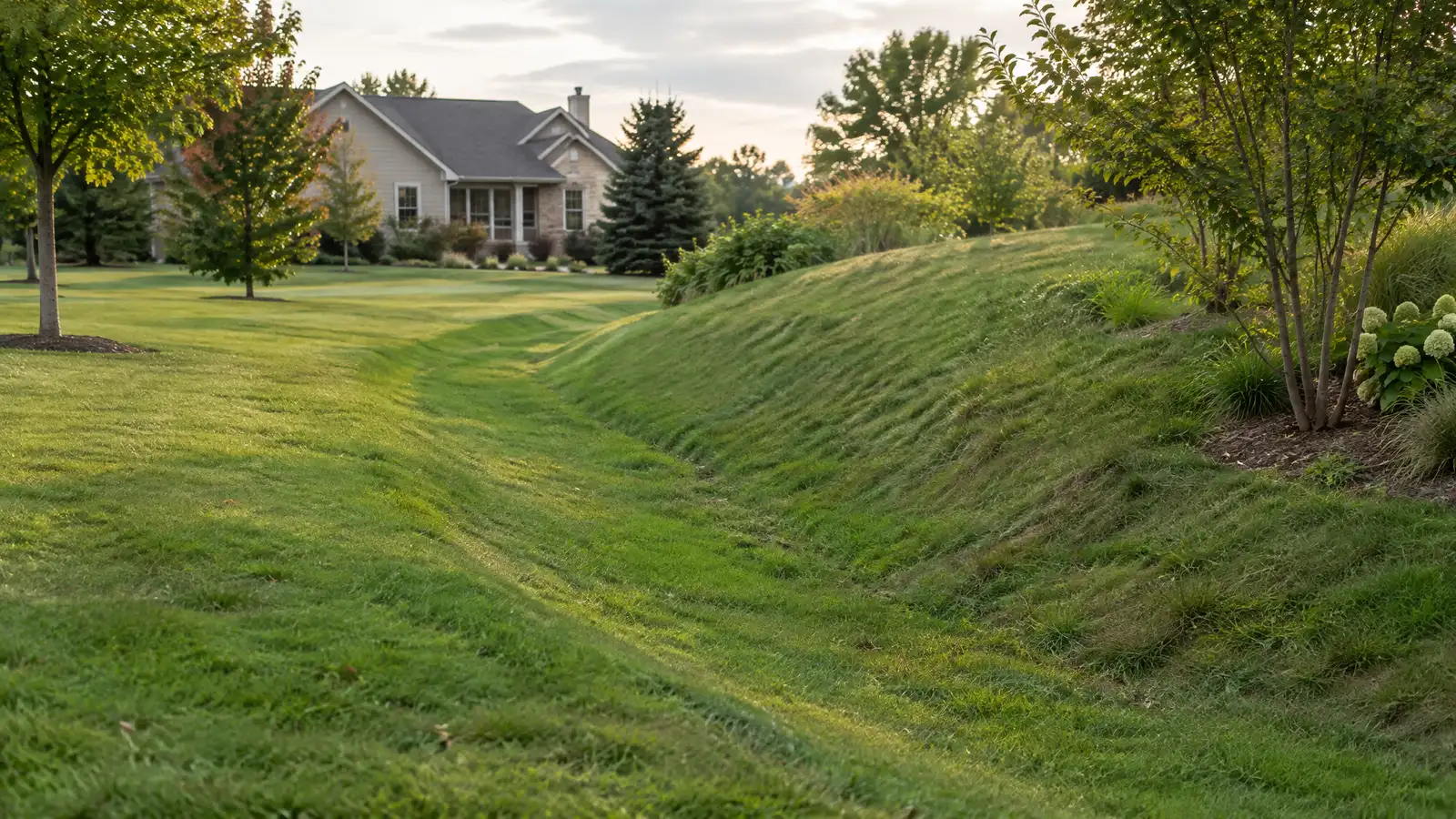 Swales and BermsShallow channels and gentle mounds that guide rain around a house and across a yard without pipes.Explore
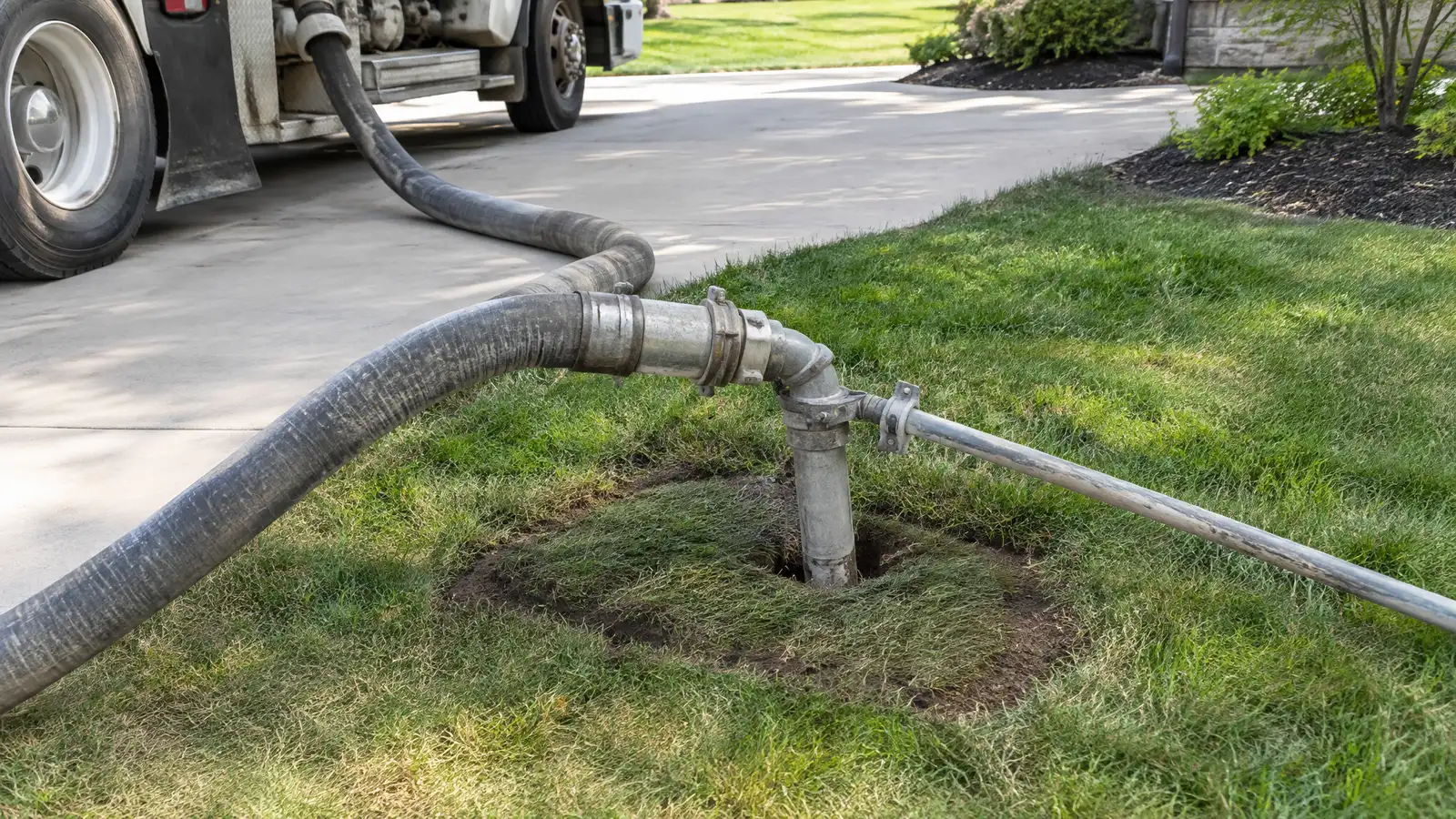 Sinkhole and Void RepairFilling and stabilizing sinkholes, voids and soft ground with compaction grouting, stone and engineered fill.Explore
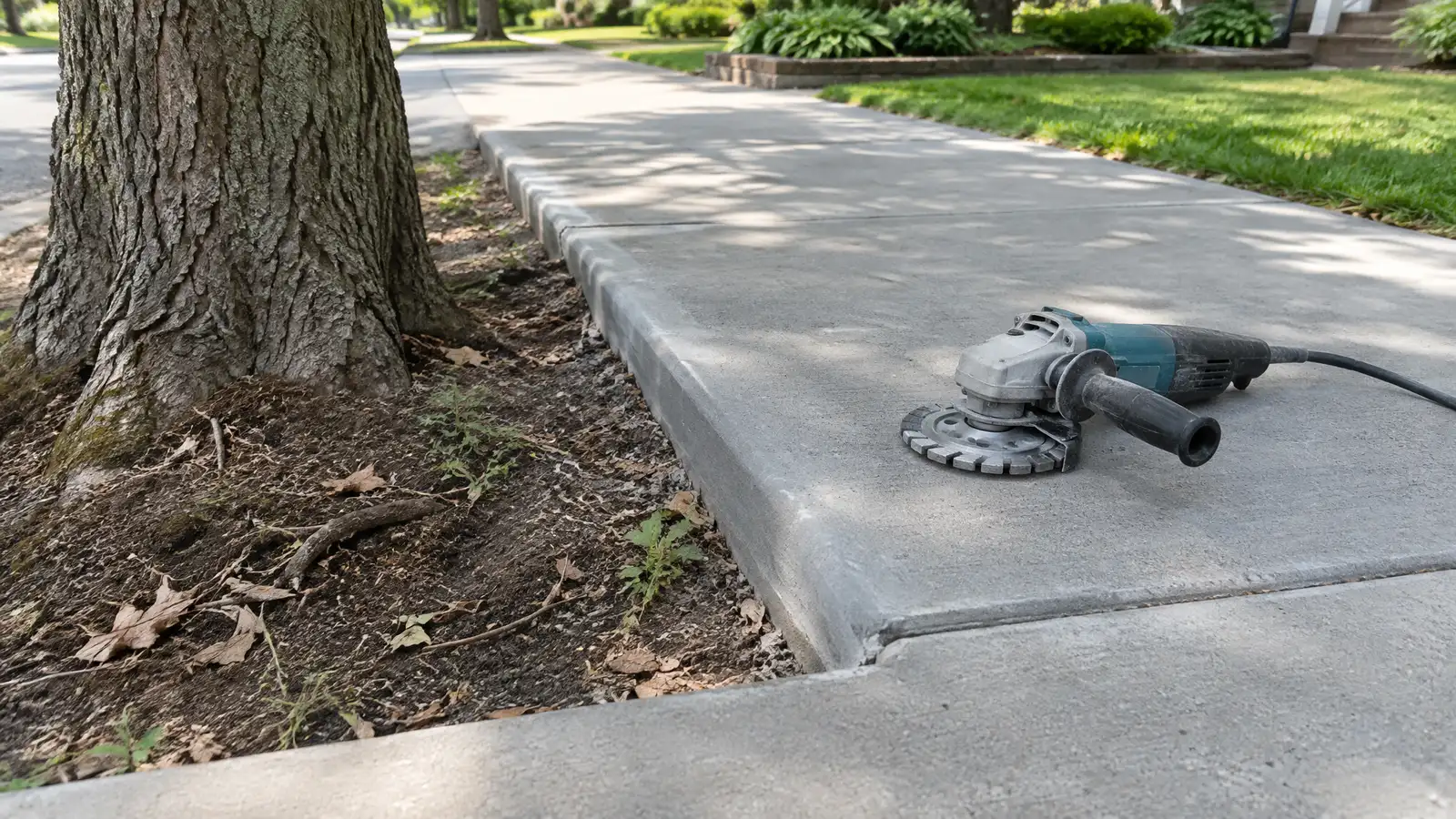 Sidewalk and Walkway LevelingRaising uneven walks and removing trip hazards so paths are safe for family, guests and delivery crews.Explore
Check a warning sign, size a job or ballpark a budget.
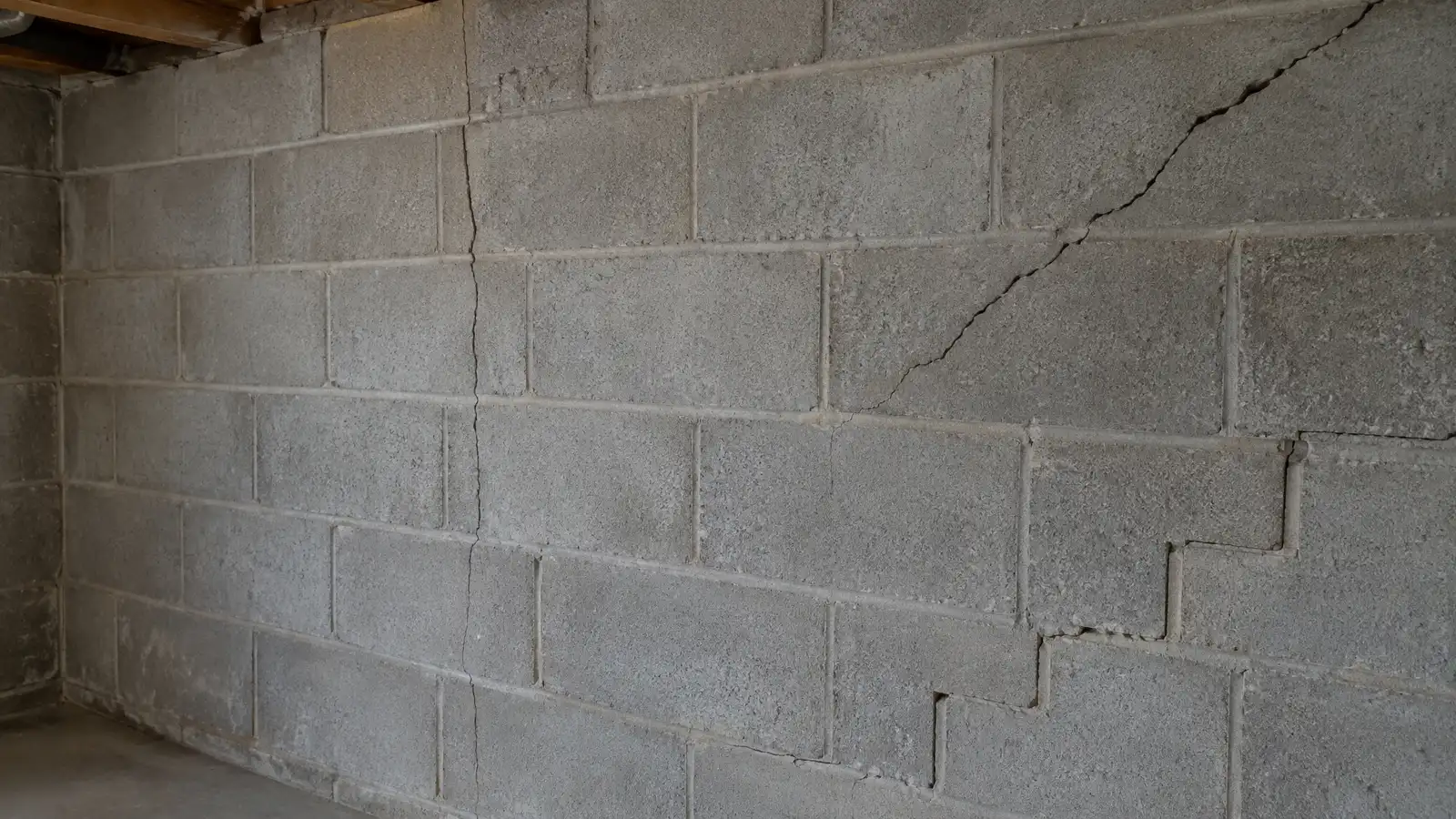 Foundation Problem Checker: What Is Wrong?Pick what you see in your walls, floors, basement, crawl space or concrete to get likely causes, what to try first and the service page that fits.Try it
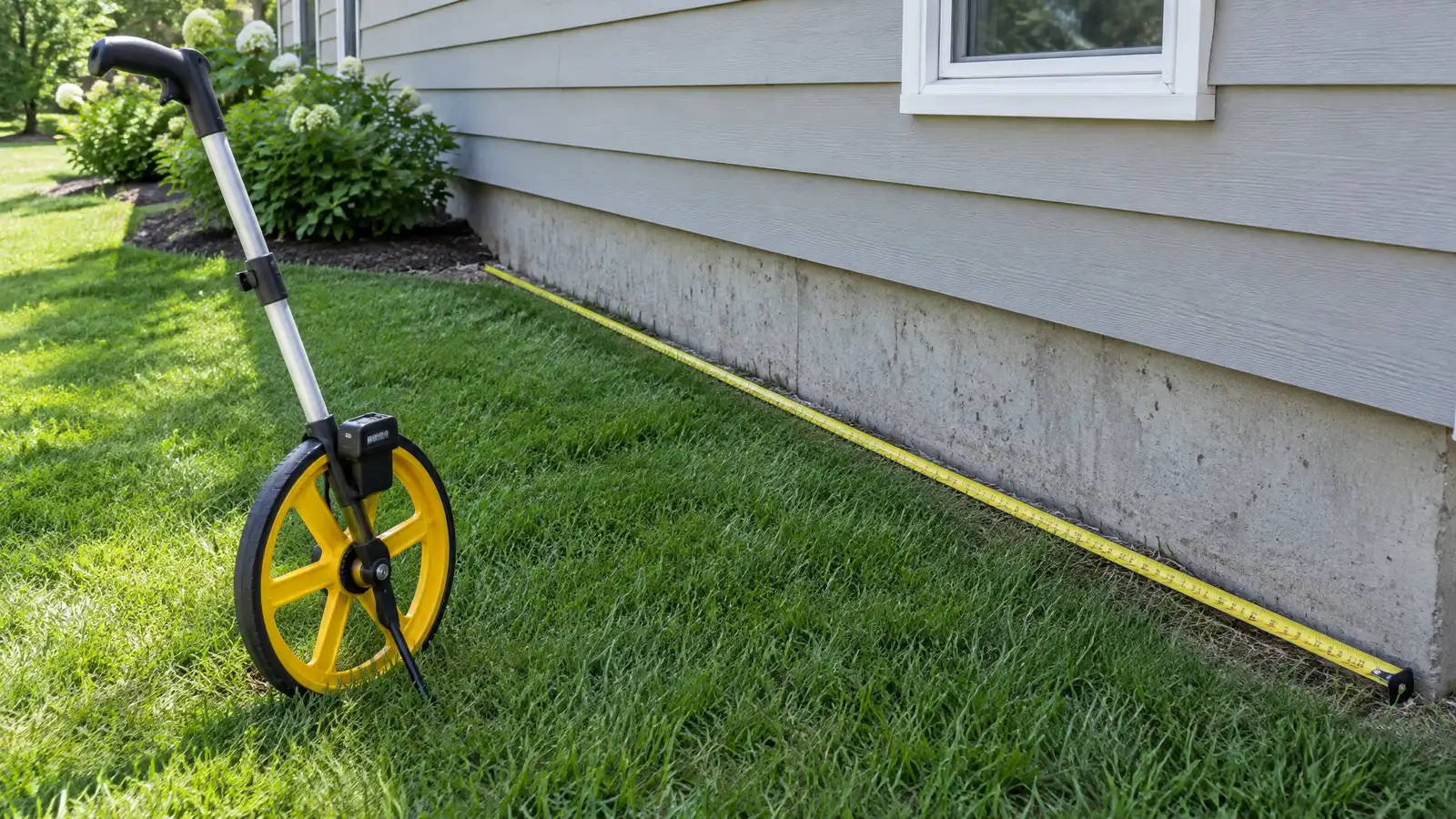 Foundation Job Size CalculatorEnter your measurements to see piers, crack length, drain footage, crawl space liner area and slab area to plan for.Try it
 Foundation Repair Budget PlannerPick a foundation, waterproofing, drainage or concrete job, set the quantity and add extras to see a ballpark planning range. Placeholder values only.Try it
Look at floor slopes and crack patterns, and have a specialist measure elevations.
Yes. Different parts of a house can move in different ways.
Not always. Moisture control and drainage solve some cases.
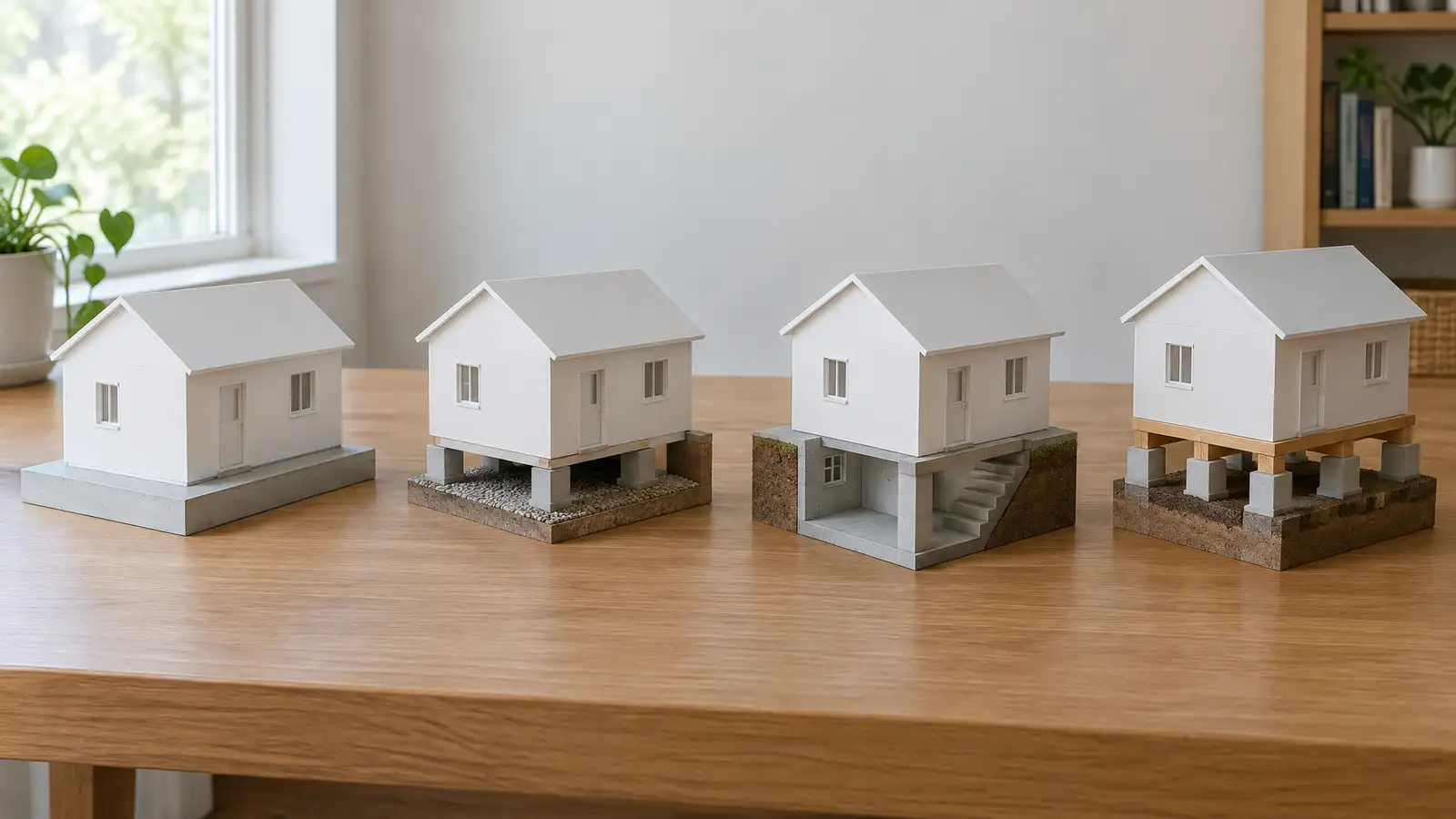 Comparison guideFoundation TypesHow slab-on-grade, crawl space, basement and pier and beam foundations differ in cost drivers, moisture, access, repair and…Learn more
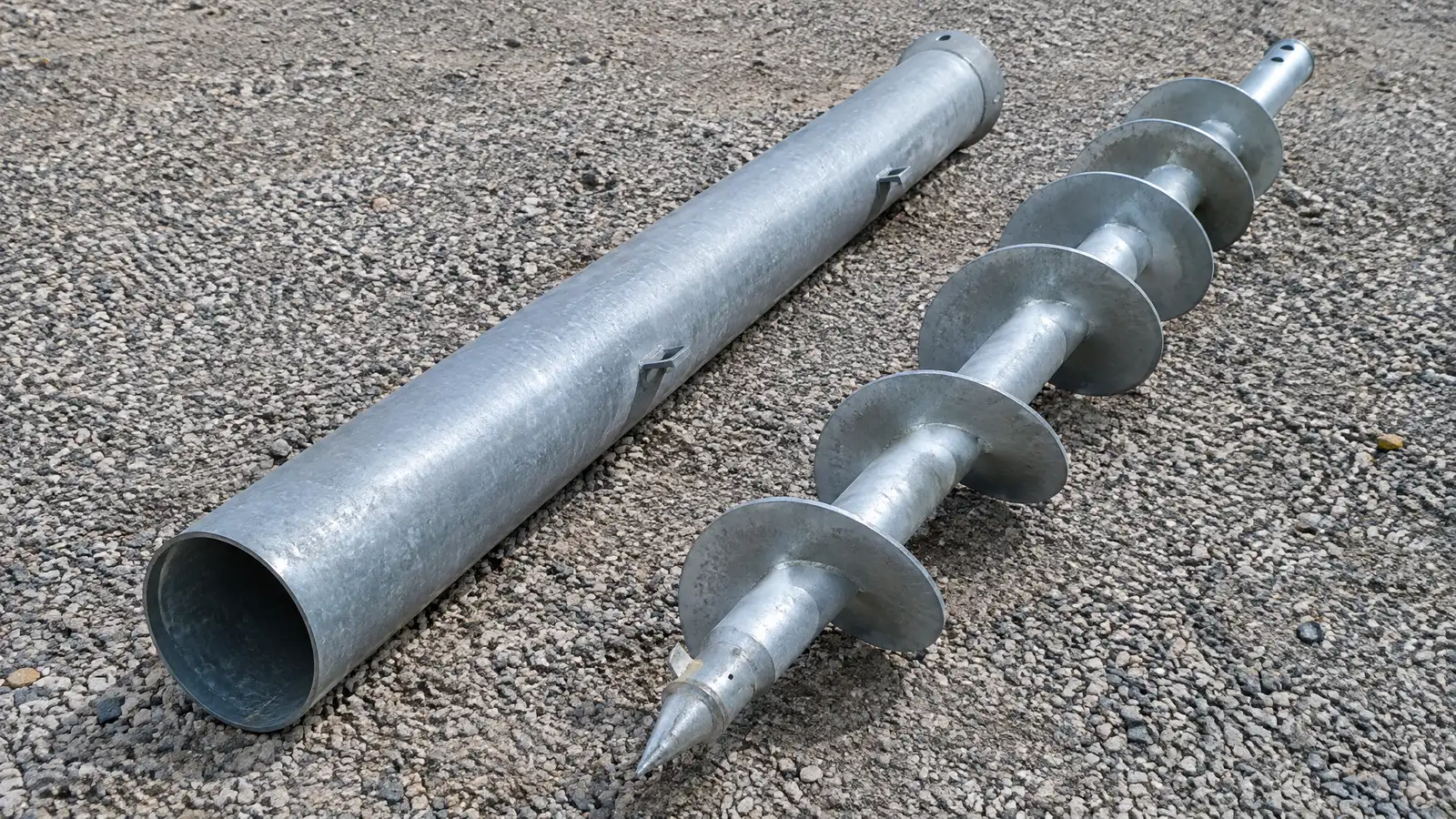 Comparison guidePush vs Helical PiersHow steel push piers and screw-in helical piers differ in how they are installed, what loads they suit…Learn more
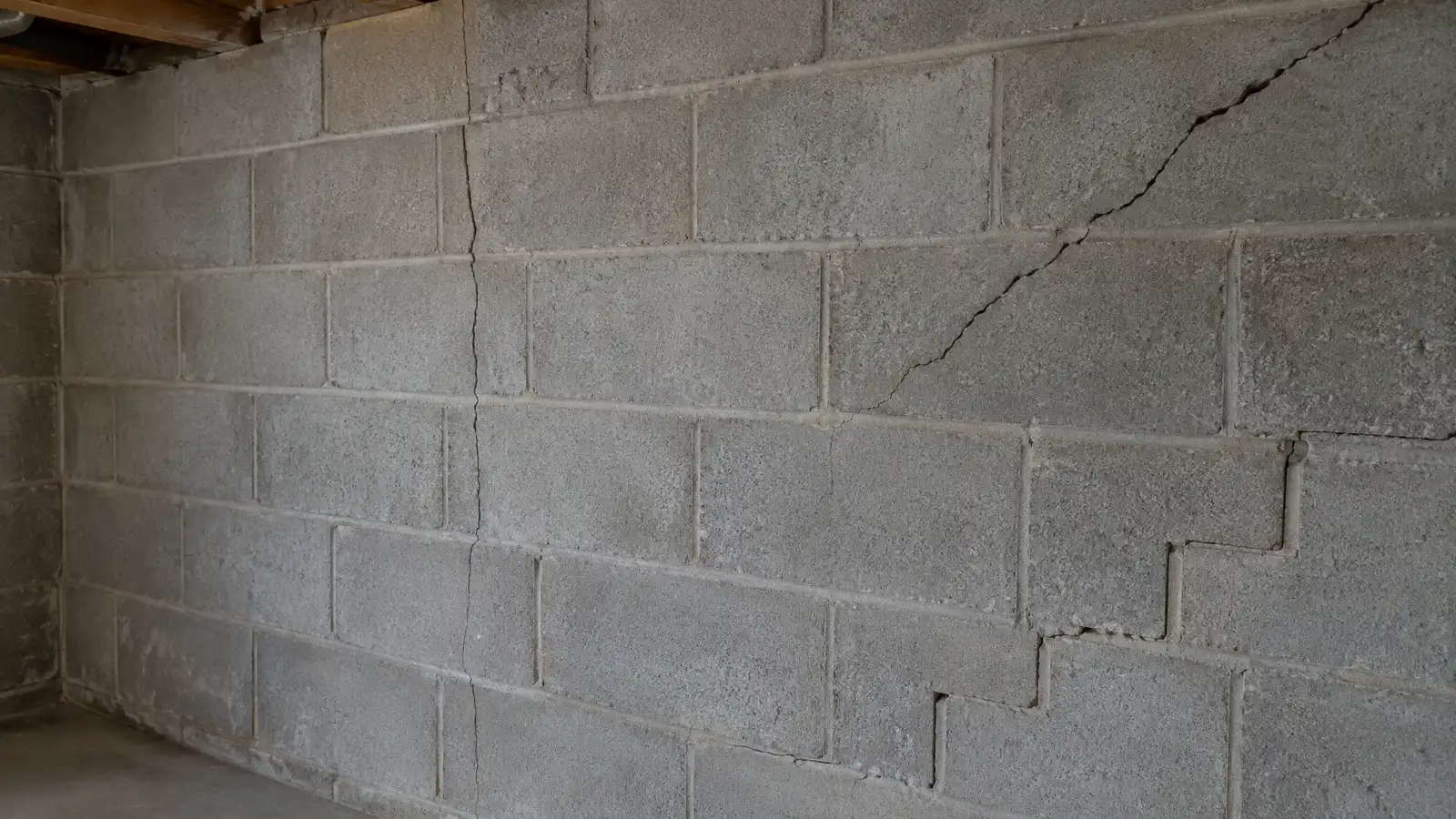 Comparison guideCrack TypesHow hairline, vertical, diagonal, stair-step and horizontal cracks differ in what they usually mean and what to do…Learn more
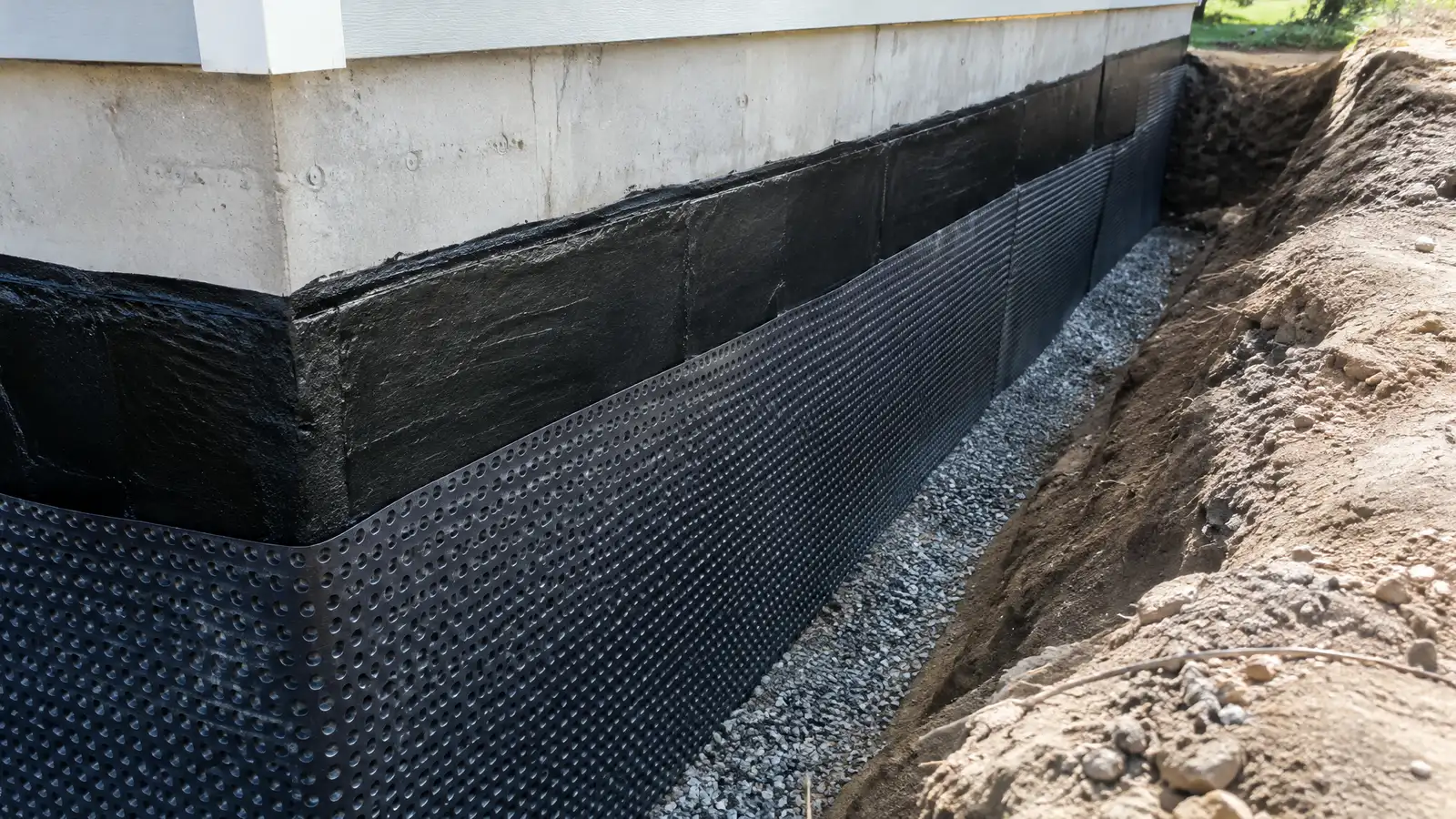 Comparison guideInterior vs Exterior WaterproofingHow interior drains and sump systems differ from exterior excavation and membranes in how they work, access needs…Learn more
Call and describe what you see. A specialist will look at the cause, talk through the options and give you a clear written estimate.