Call and prepare
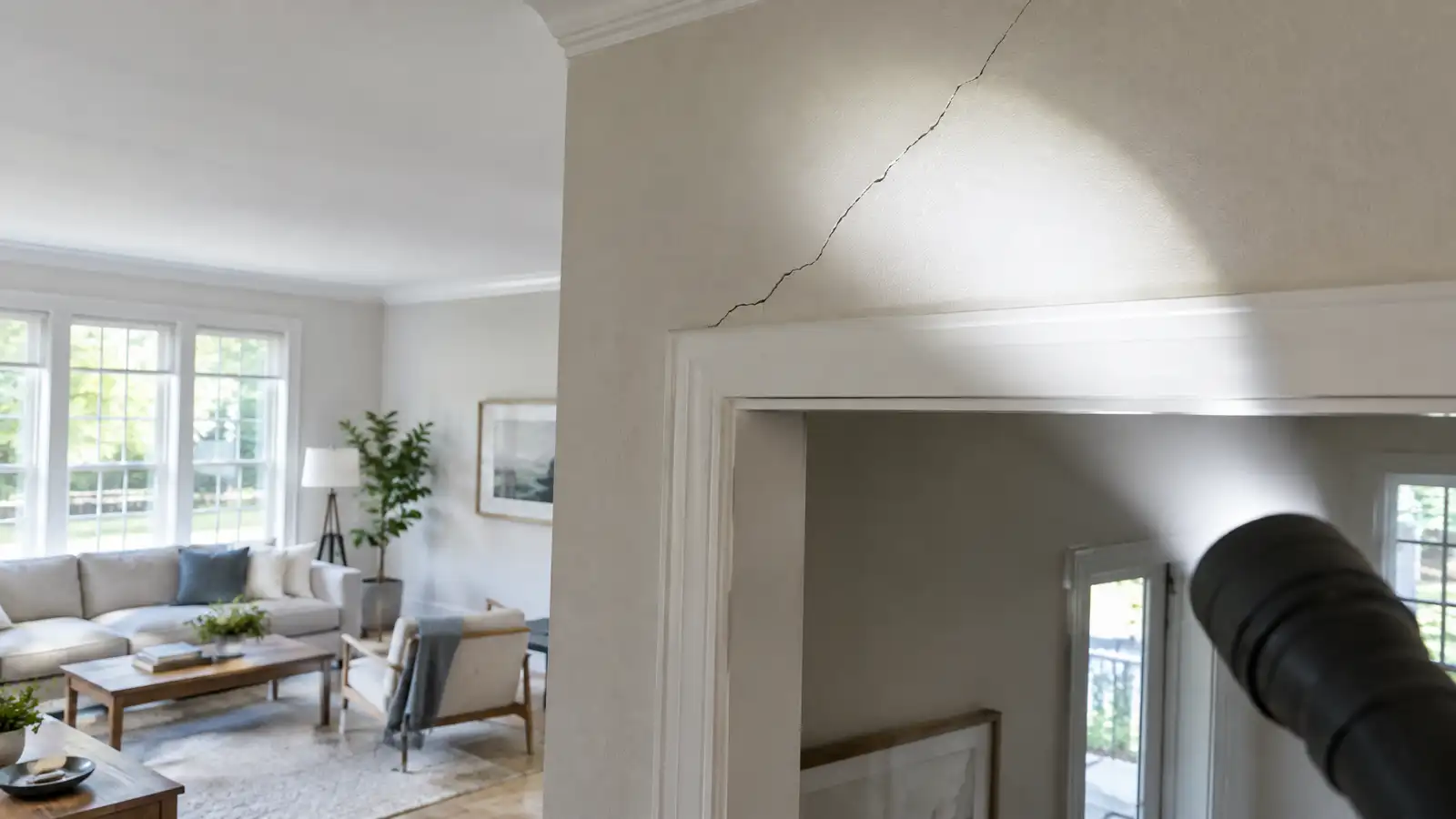
The process starts with a call and a few questions about what you see. It helps to have dated photos, notes on when problems started and any earlier reports.
Clear access to the crawl space or basement saves time at the visit.
A short written timeline of when you first noticed each sign helps the specialist find the cause faster.
The inspection
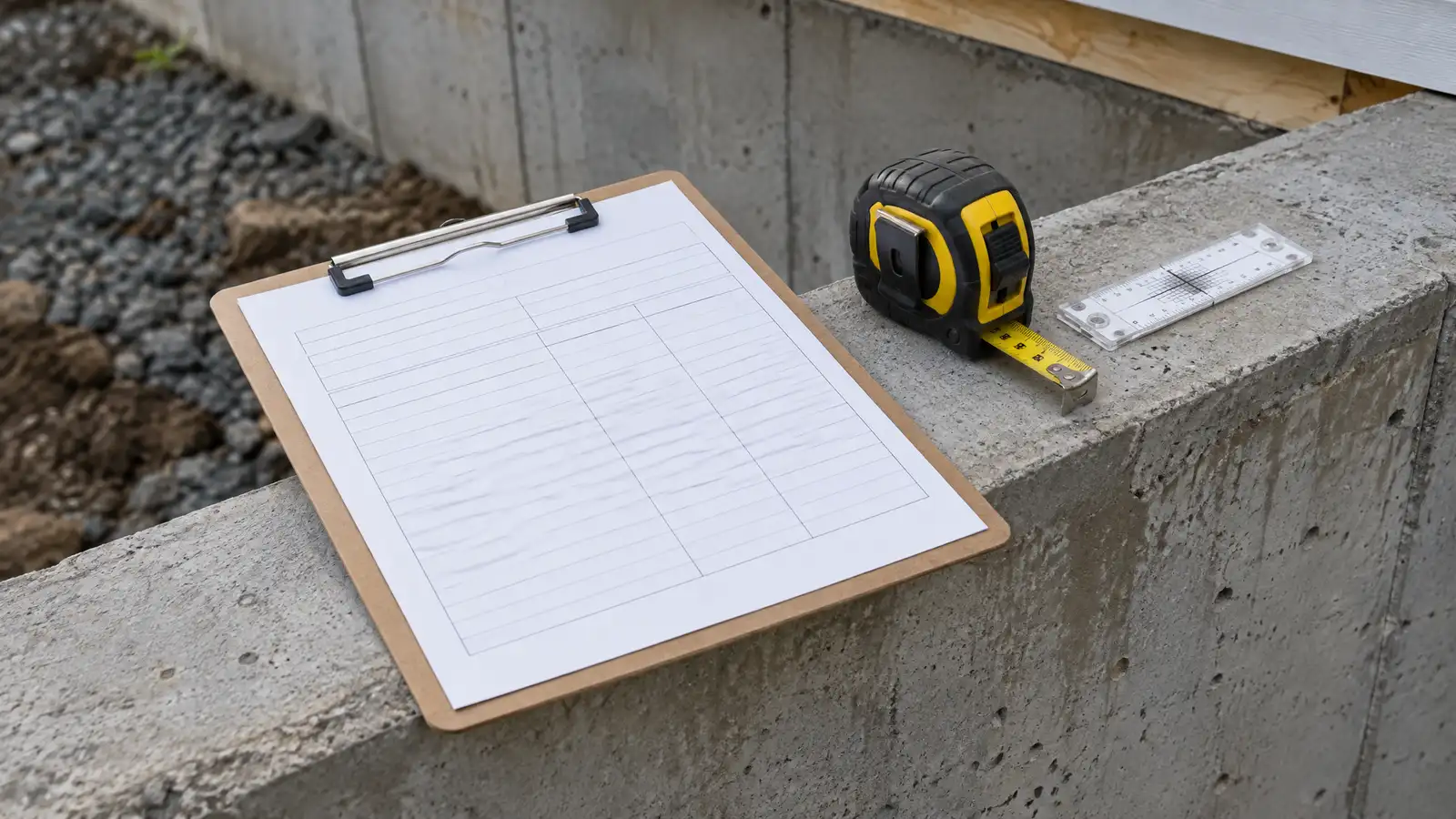
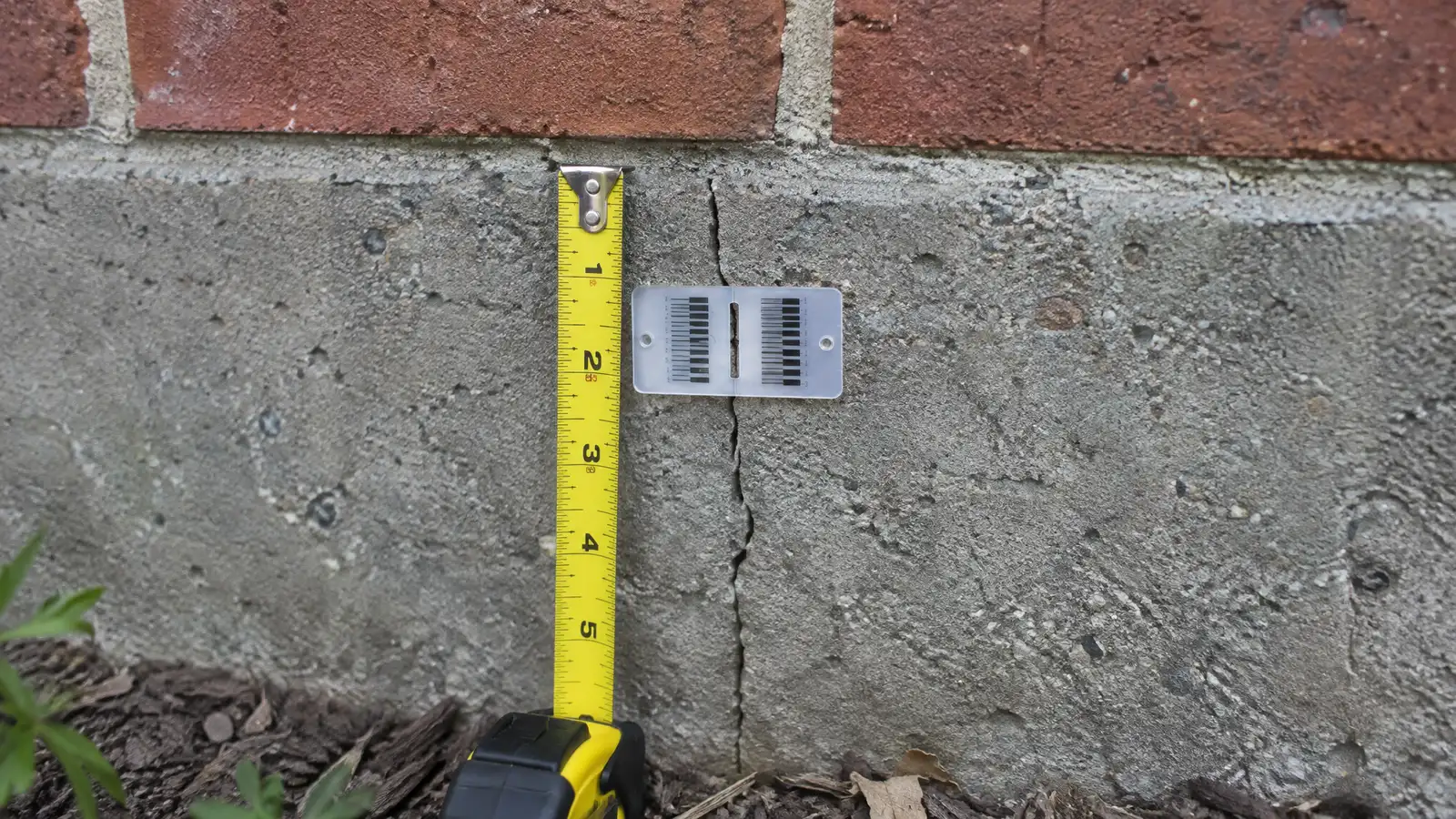
A specialist walks the outside and inside, checks cracks, floors, moisture and drainage, measures what matters and photographs the findings. You hear what is cosmetic, what should be watched and what needs repair.
You are welcome to ask questions as the visit goes on.
Ask for photos of what the specialist sees. They help you understand the findings and keep a record.
The written scope
You receive a written scope that names the cause, the method, where each repair goes, the schedule and what is included. Take your time with it, and compare it with any other opinion.
If an engineer or permit is part of the plan, it is listed.
Read the scope twice and write down questions. A good company welcomes them and answers in plain language.
Engineering, permits and utilities
When needed, an engineer visits and writes a report, permits are requested and utility marking is arranged before any digging.
These steps add days at the start and save problems later.
Utility marking can take a few days, and it is worth the wait. It keeps crews, neighbors and utilities safe.
The work
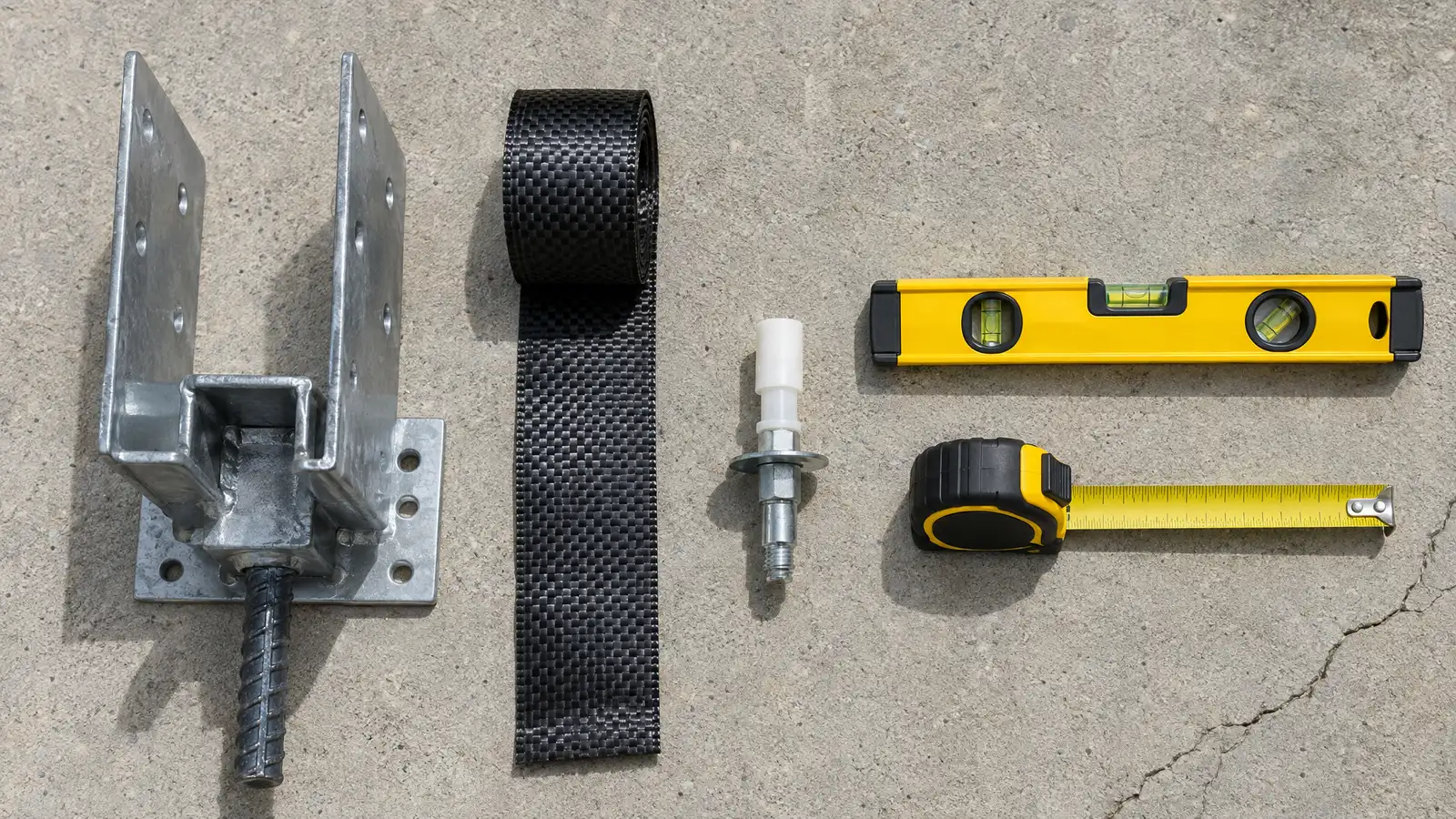
Crews protect the site, dig access holes or set up equipment, complete the repair in a clear order and check results as they go. Floors that are lifted are raised slowly, and drains are tested with water.
You get updates, and any change is explained before it is made.
Ask how crews will protect floors, landscaping and furniture, and how you will be notified of changes.
Cleanup and walk-through
The site is cleaned up, soil is backfilled and landscaping is addressed as agreed. A walk-through explains what was done, how to care for it and what to watch.
You receive photos and notes for your records.
Keep the photos, scope and any paperwork with your house records. They matter for future sales and repairs.
A good project starts with a clear scope and ends with a walk-through, and every step in between should be explained in plain words.