Serving Nashville and Middle TennesseeFree Estimate
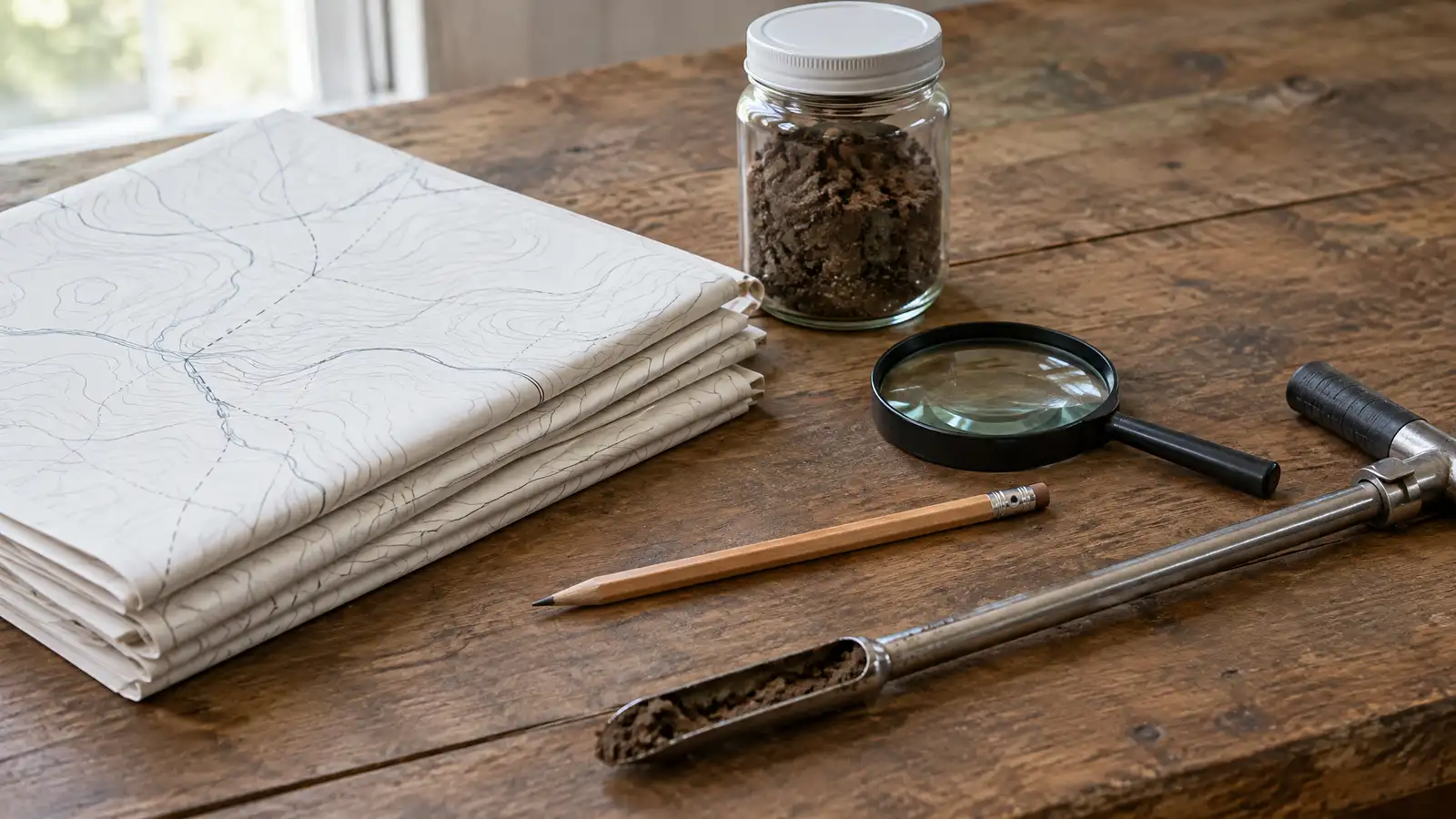
A free online tool from the USDA that maps soil types and describes properties such as drainage, shrink-swell and depth to bedrock.
The Web Soil Survey is a free online tool from the USDA Natural Resources Conservation Service. You can mark your property on a map and read about the soils there, including drainage, shrink-swell behavior and depth to bedrock. For owners in Nashville, it is a handy way to learn whether the ground under your home is likely to be clay, silt or rocky, and how it may behave when it gets wet or dry.
We are an independent company and are not part of the USDA. Soil surveys describe general conditions across areas, and the soil under your house can differ. A site visit, a soil probe or a geotechnical test gives better detail, and we use public soil maps as a starting point for explaining why a foundation may be moving.
Visit the official Web Soil Survey website
Draw an area and see the soil types.
Describes how much clay soils expand and contract.
Shows how quickly water moves through the soil.
Gives a general idea of how deep rock lies.
Printable summaries of the area you pick.
Helps owners learn about the ground.
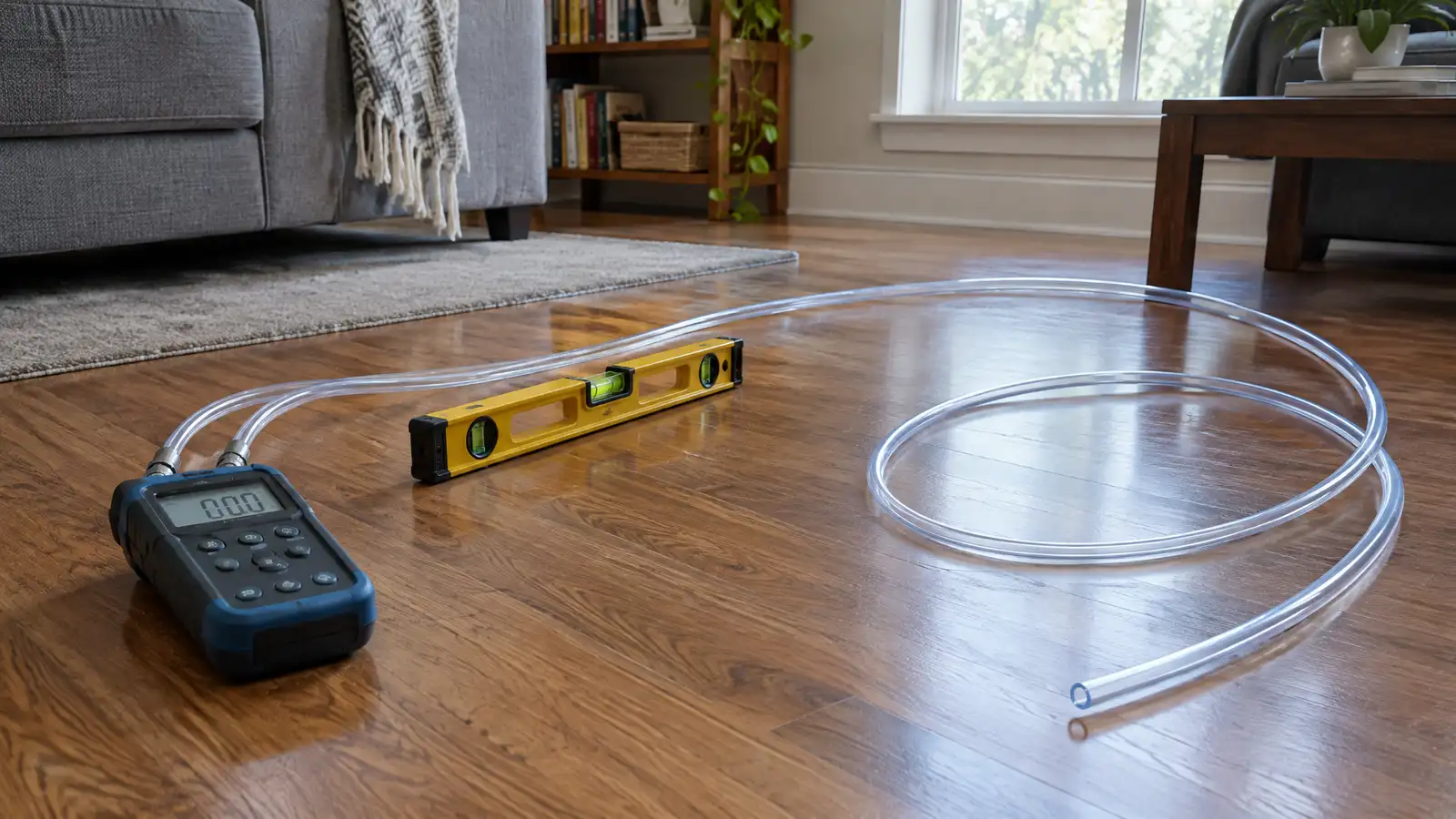 Floor Level and Elevation SurveysPrecise floor readings that map high and low spots across a house, so movement can be seen, tracked…Explore
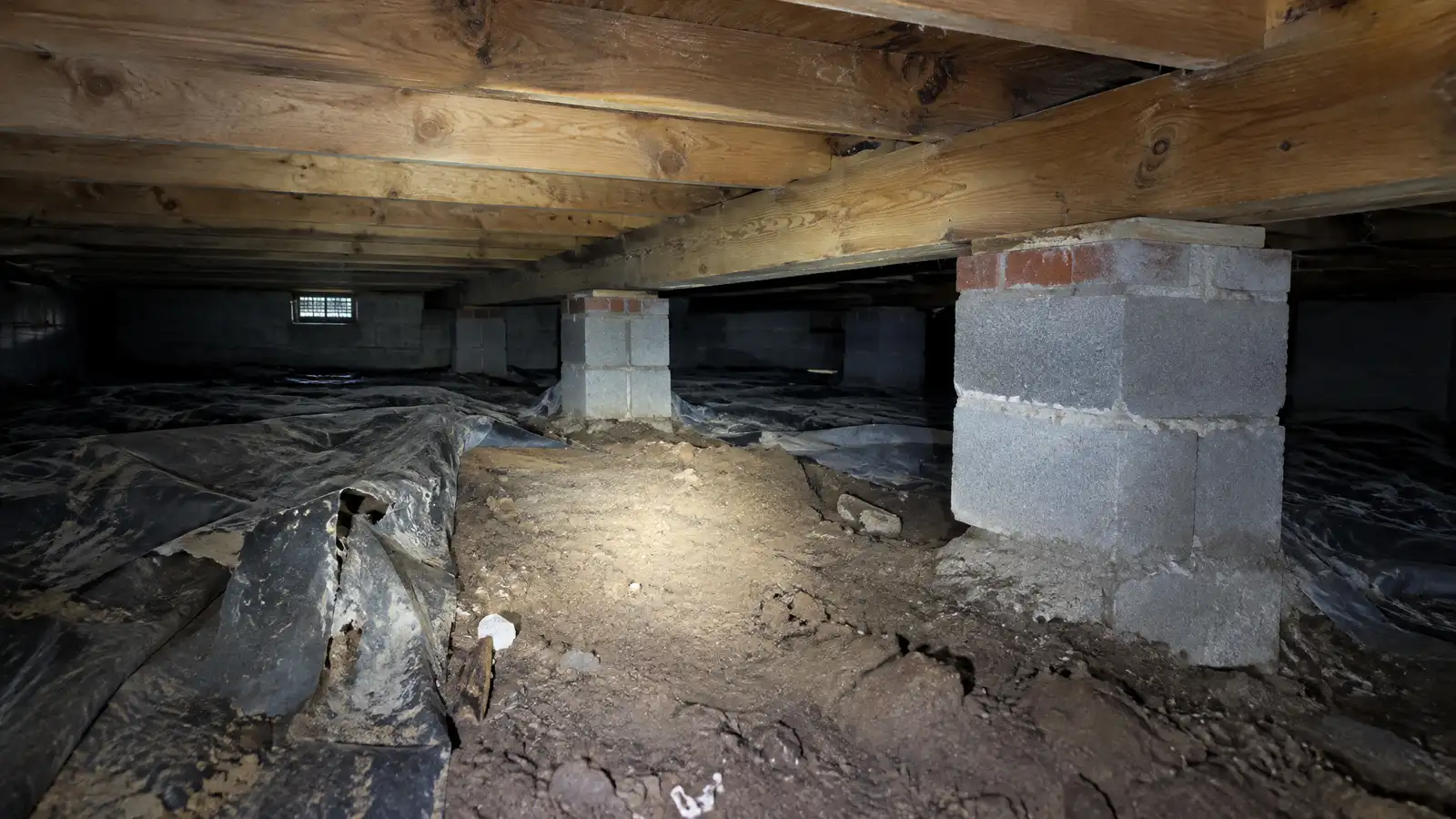 Crawl Space InspectionsA look under the house at moisture, supports, vapor barriers, insulation and pests, with photos of what is…Explore
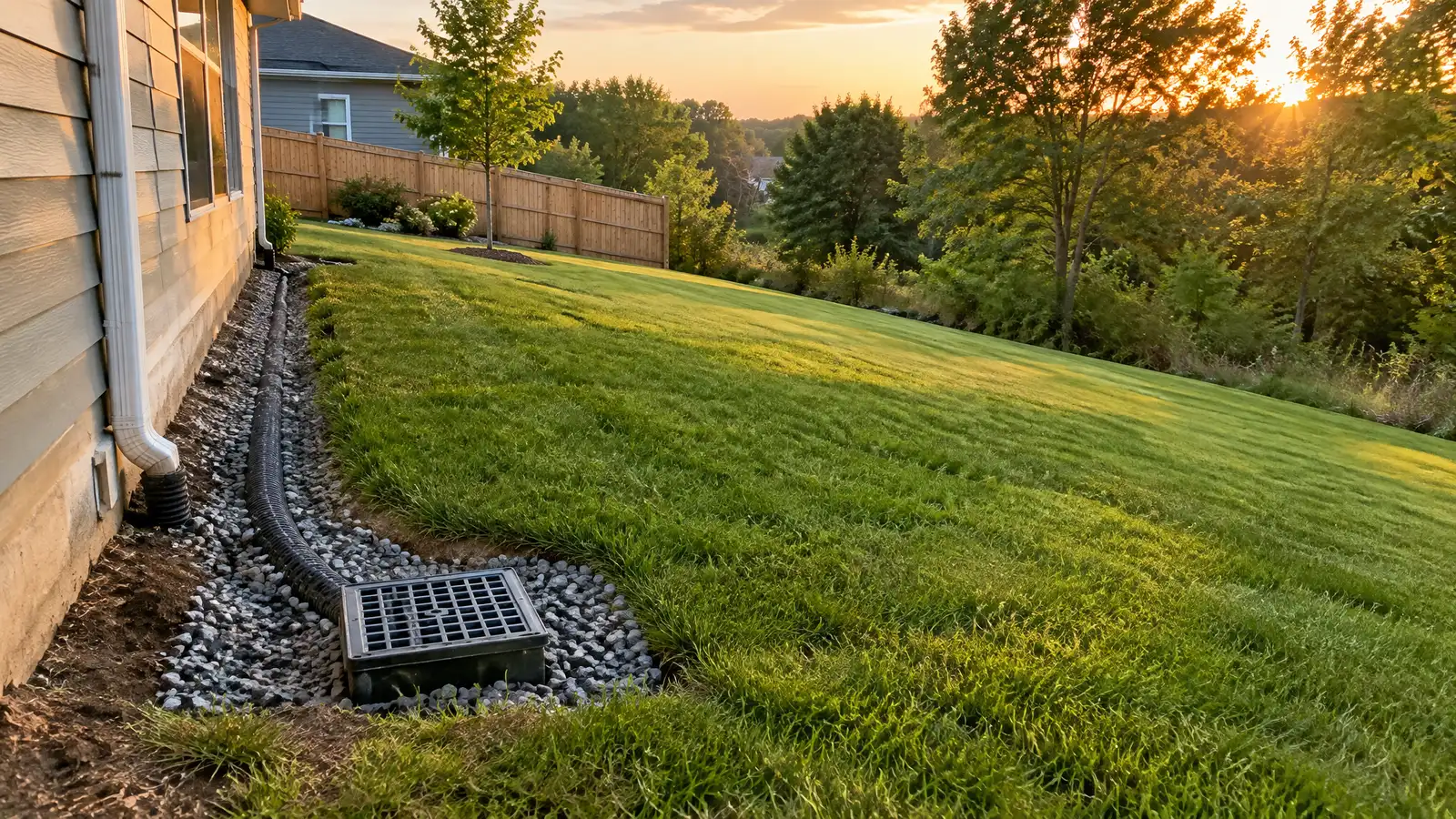 Yard Drainage SolutionsA plan to move rain and runoff away from your house and across your lot, using drains, grading…Explore
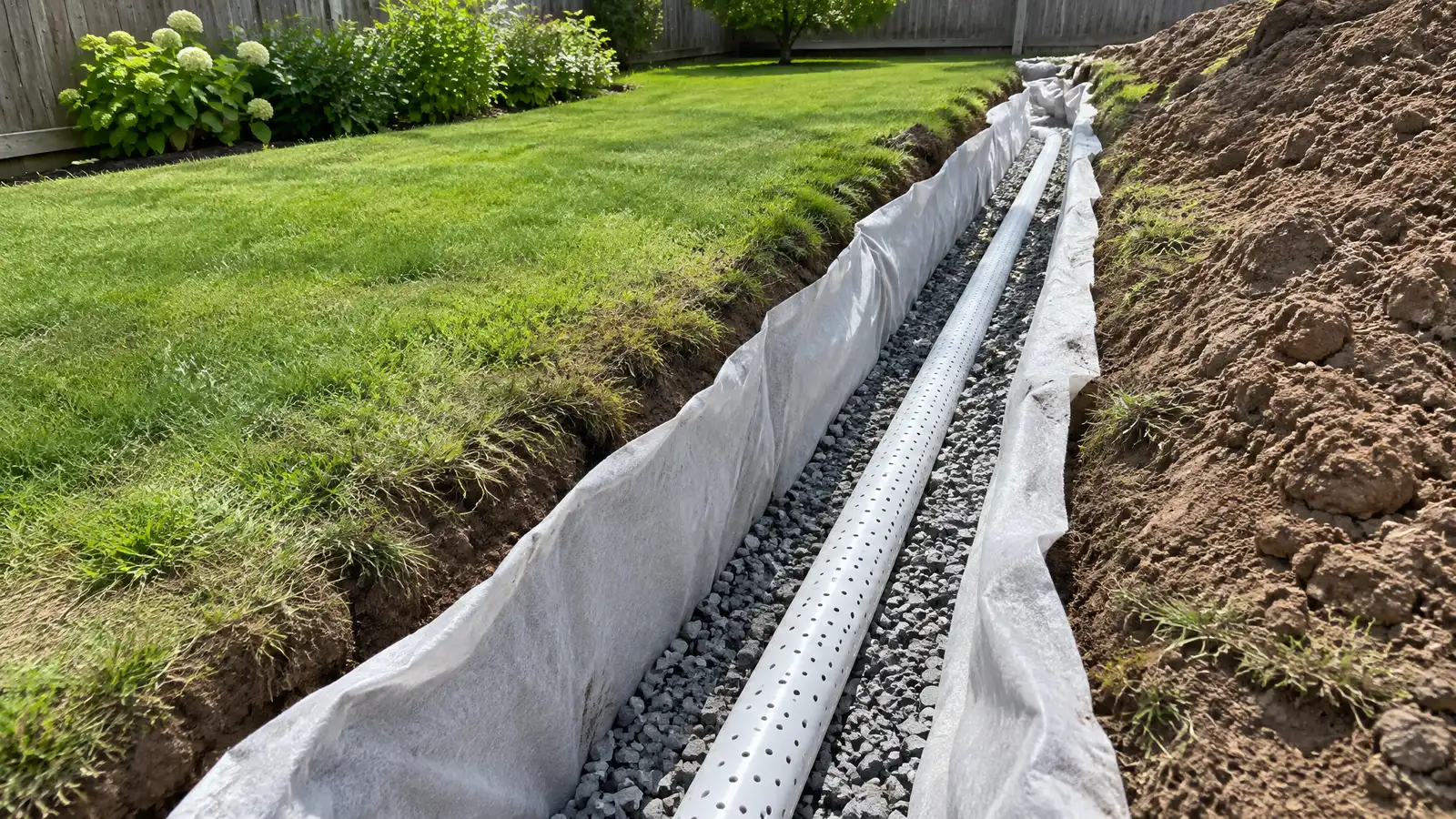 French DrainsPerforated pipe in a stone-filled trench that intercepts groundwater and surface water and carries it safely away from…Explore
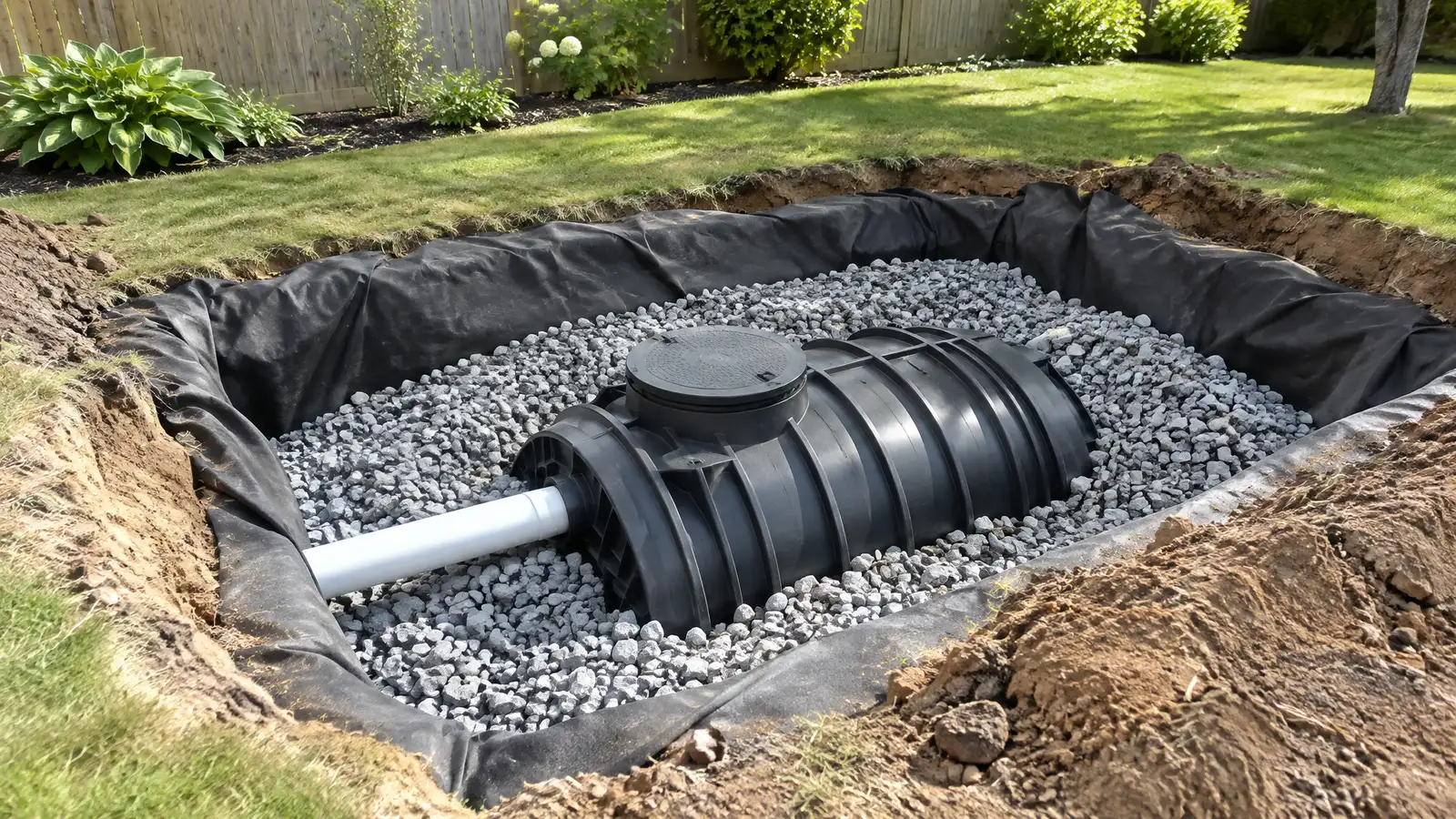 Dry Wells and Stormwater ManagementUnderground chambers and basins that hold roof and yard water and let it soak into the ground where…Explore
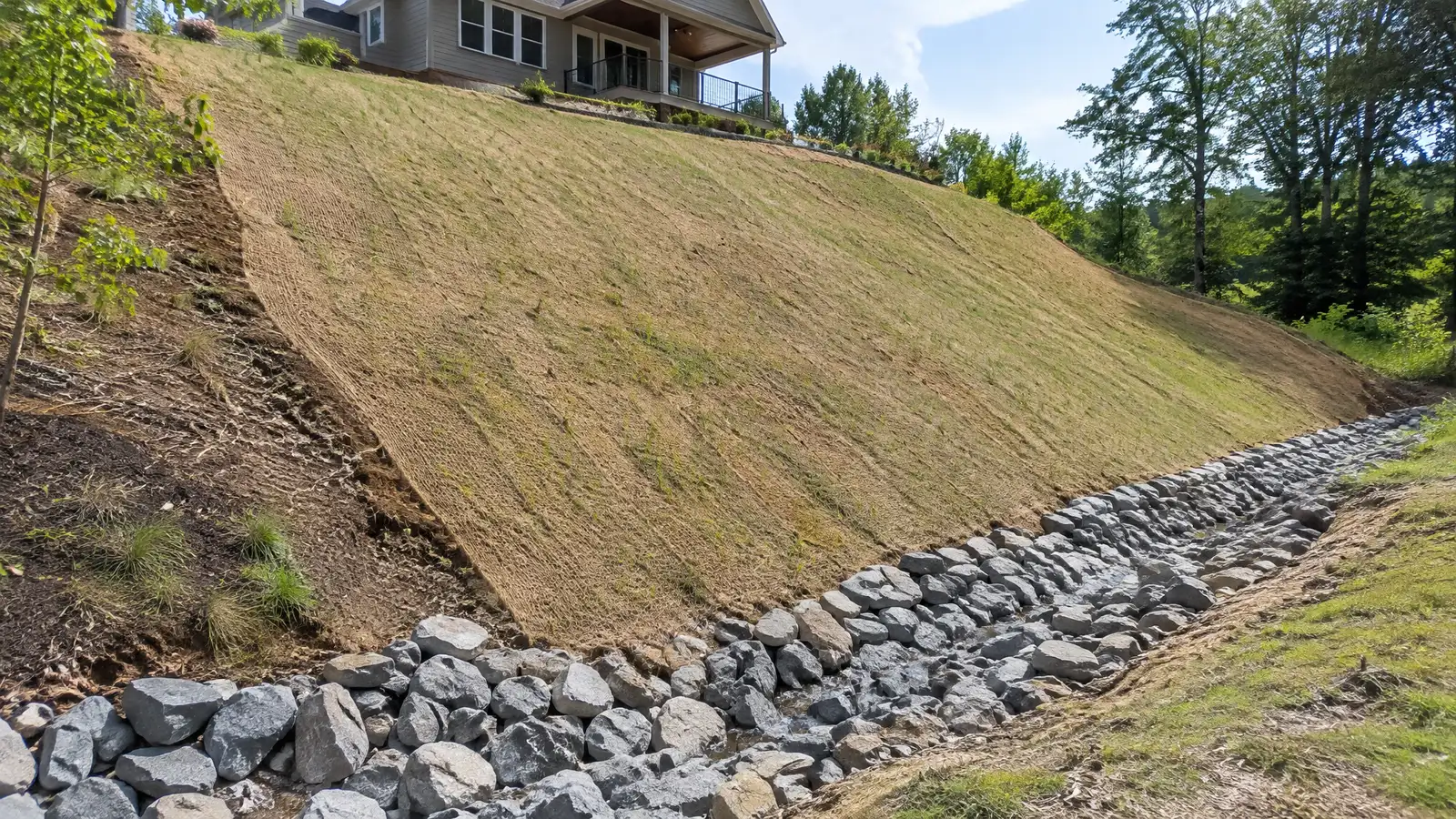 Erosion Control and Soil StabilizationProtecting slopes, banks and soil near a foundation from washing away, with grading, planting, stone and structural measures.Explore
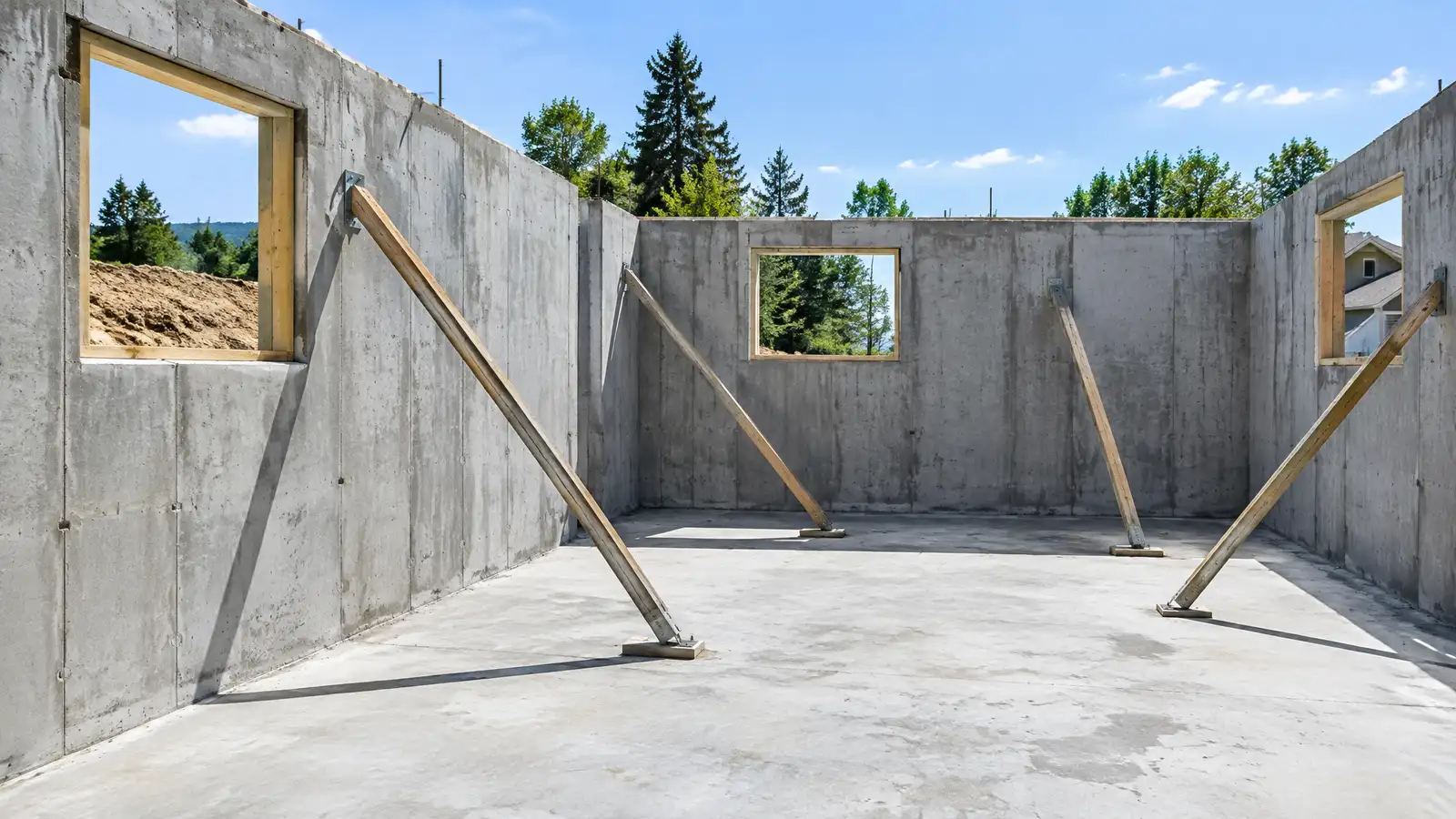 Basement FoundationsFull-height basement foundations with strong walls, footing drains, waterproofing and egress that make a dry, usable lower level.Explore
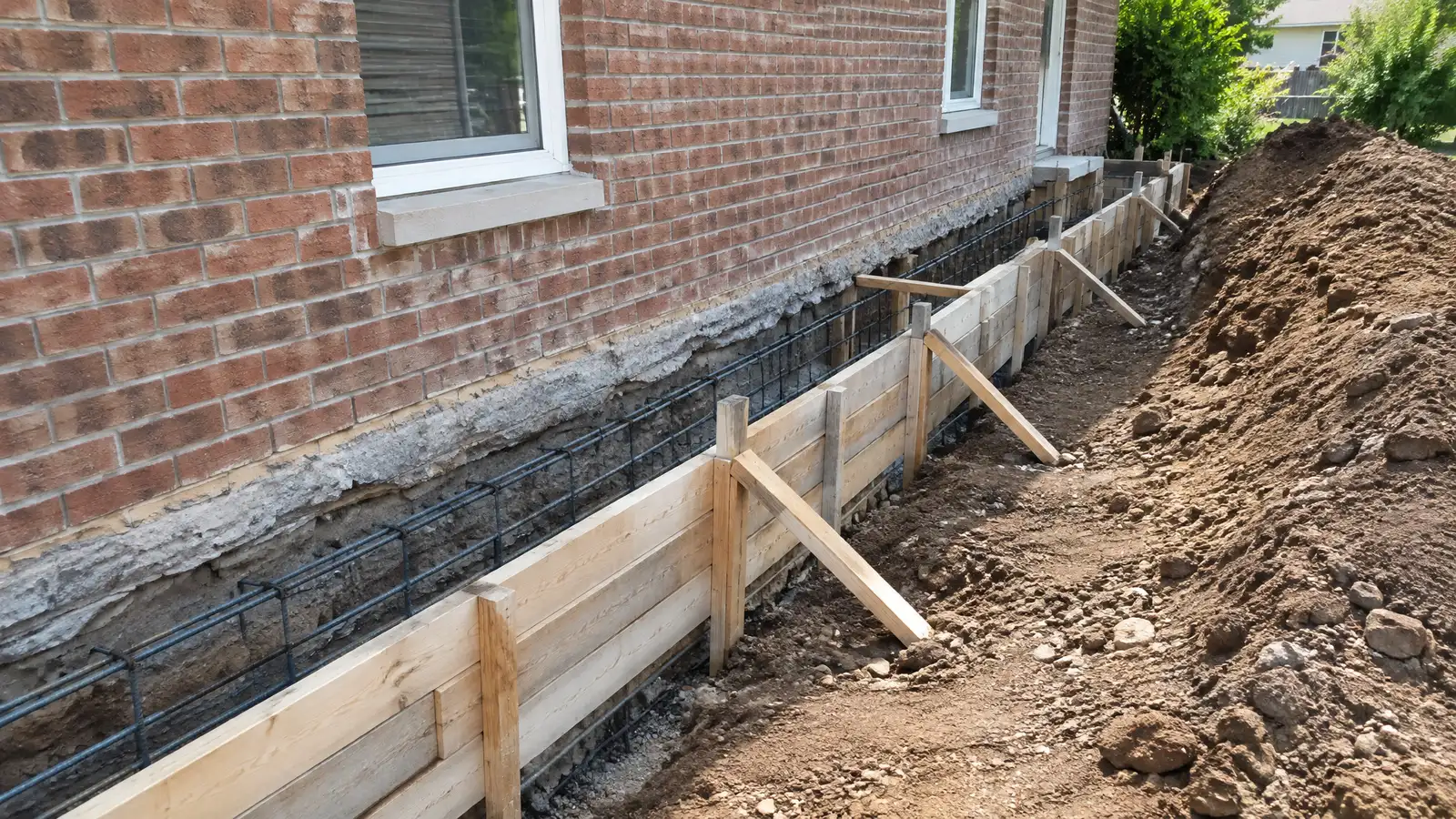 Foundations for AdditionsFoundations for room additions, second stories and bump-outs that tie into the existing house without causing movement.Explore
Check a warning sign, size a job or ballpark a budget.
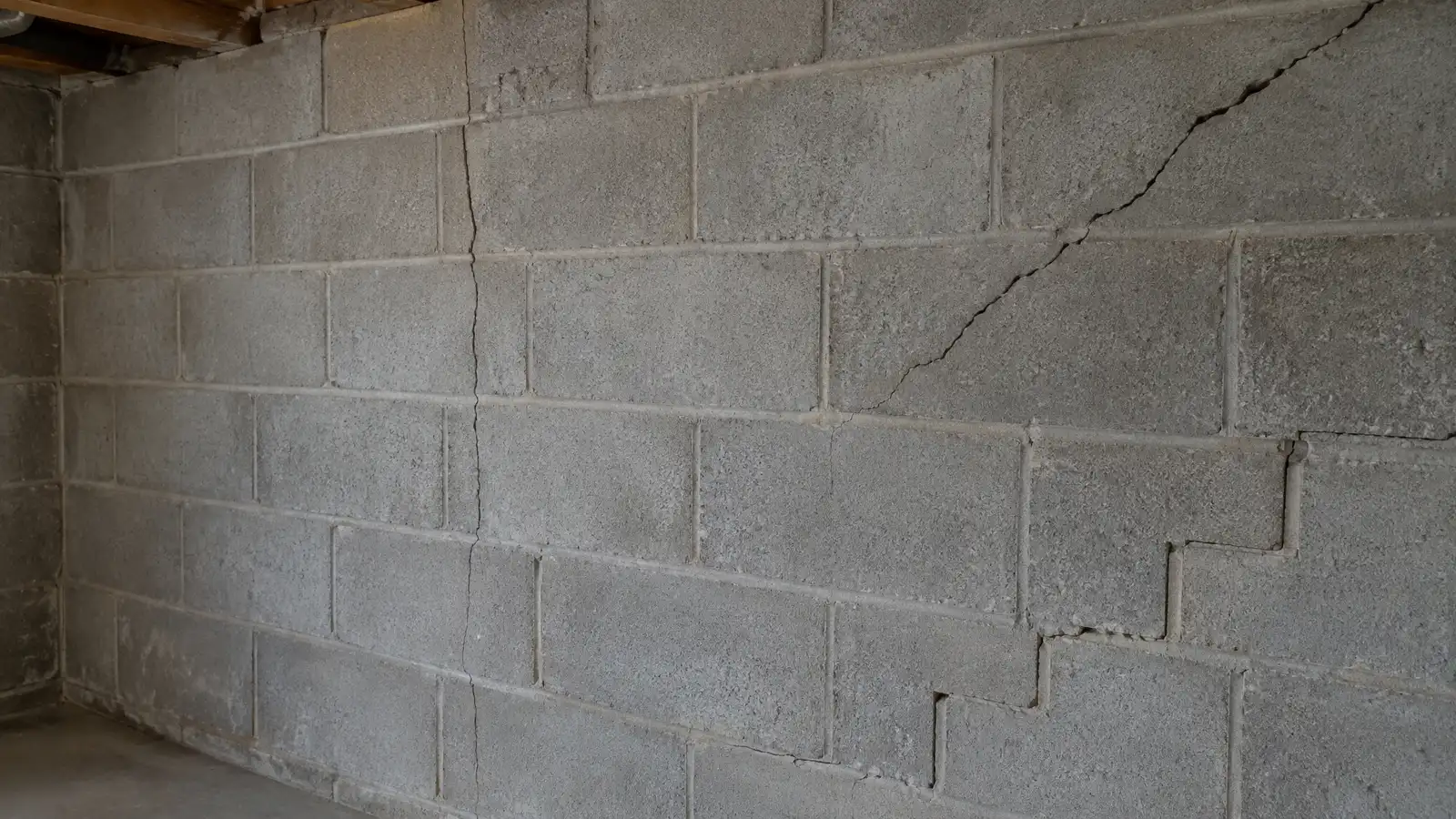 Foundation Problem Checker: What Is Wrong?Pick what you see in your walls, floors, basement, crawl space or concrete to get likely causes, what to try first and the service page that fits.Try it
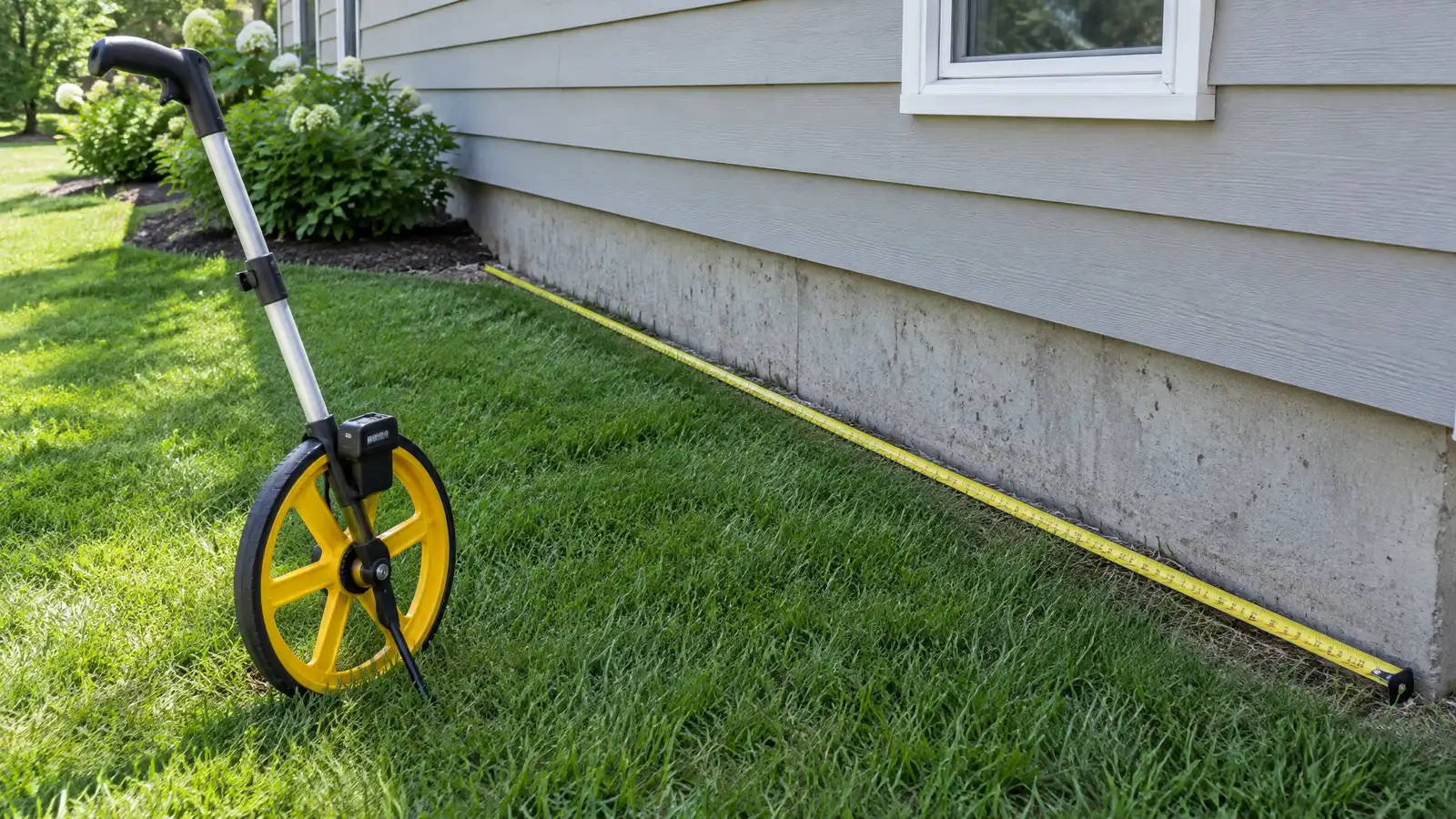 Foundation Job Size CalculatorEnter your measurements to see piers, crack length, drain footage, crawl space liner area and slab area to plan for.Try it
 Foundation Repair Budget PlannerPick a foundation, waterproofing, drainage or concrete job, set the quantity and add extras to see a ballpark planning range. Placeholder values only.Try it
No. It describes general conditions, and your yard can differ. A site visit gives more detail.
Clay that swells and shrinks can move footings and slabs. Our soil guide explains more.
No. We are a private company and are not part of the USDA or NRCS. Officials make the decisions, and we help you understand the process and prepare information.
 ResourceASCEA professional society for civil engineers that publishes standards, research and public information on structures, soils and infrastructure.Learn more ResourceACIA technical society that develops concrete standards, publications and education used by designers, contractors and inspectors.Learn more ResourceCFAA trade association for contractors who build cast-in-place concrete foundations, with education, publications and industry updates.Learn more ResourceICCThe organization that develops the model building codes many states and cities adopt, including residential and building codes.Learn more
Call and describe what you see. A specialist will look at the cause, talk through the options and give you a clear written estimate.