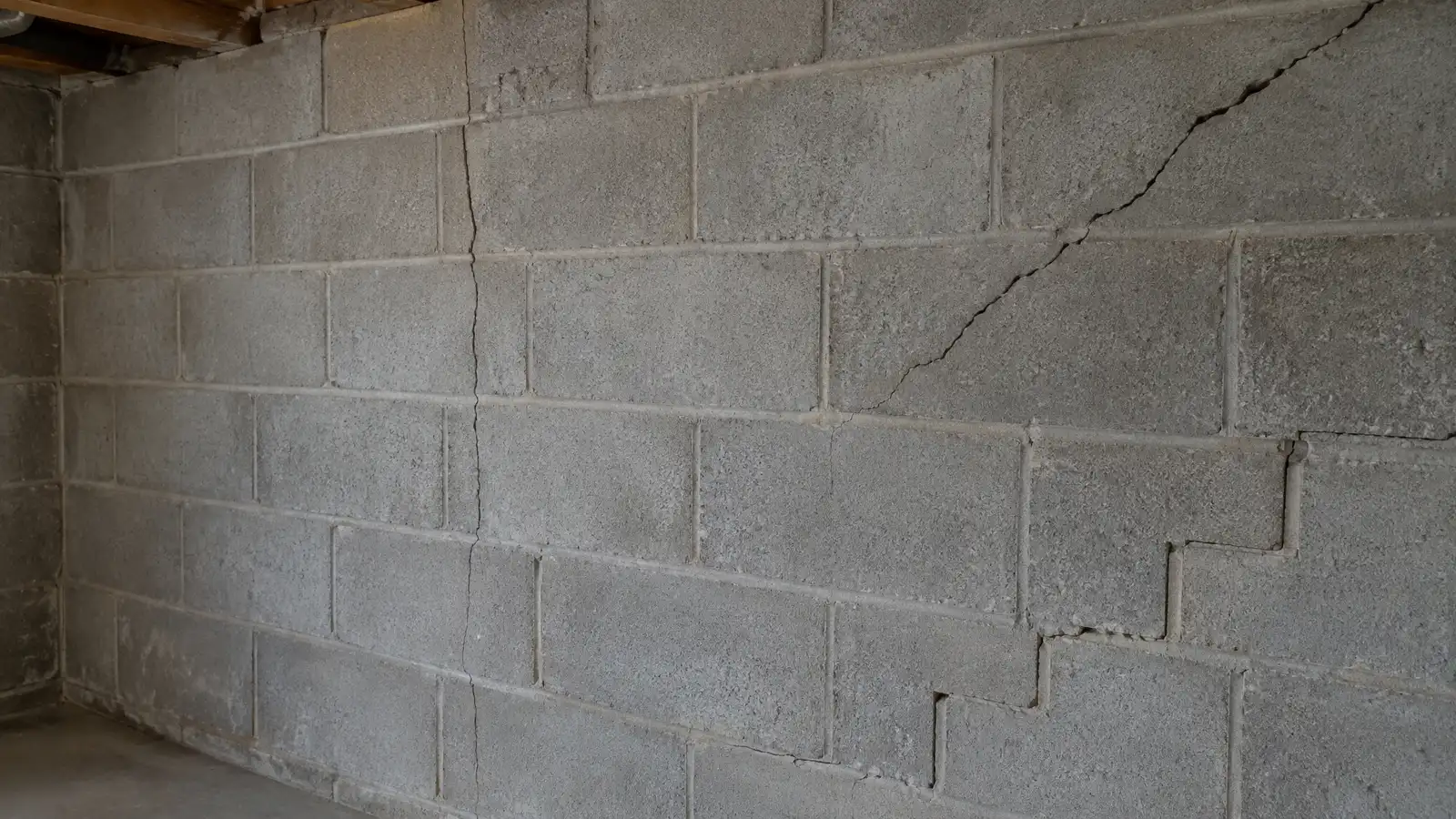

Myth: every crack is serious
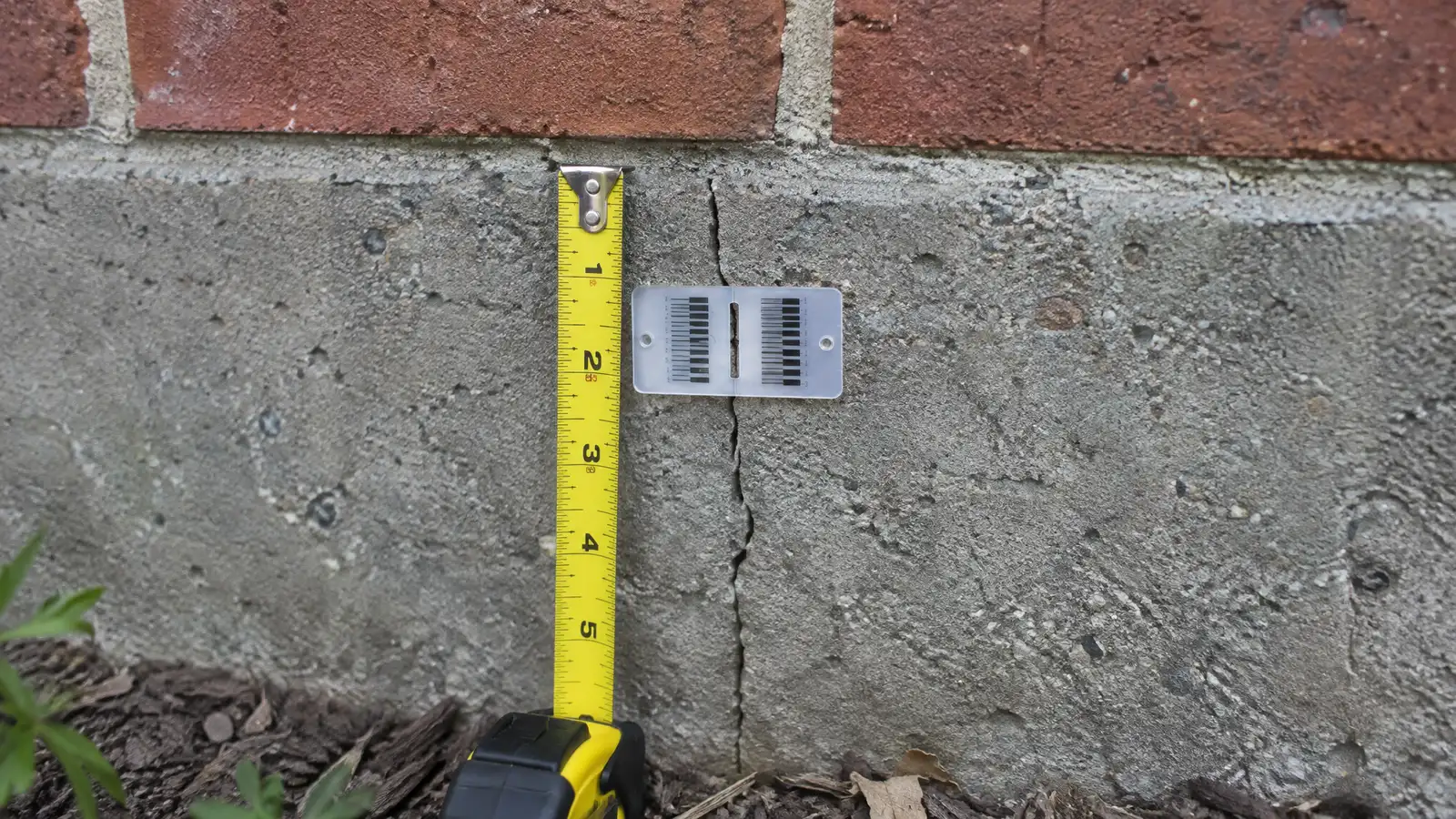
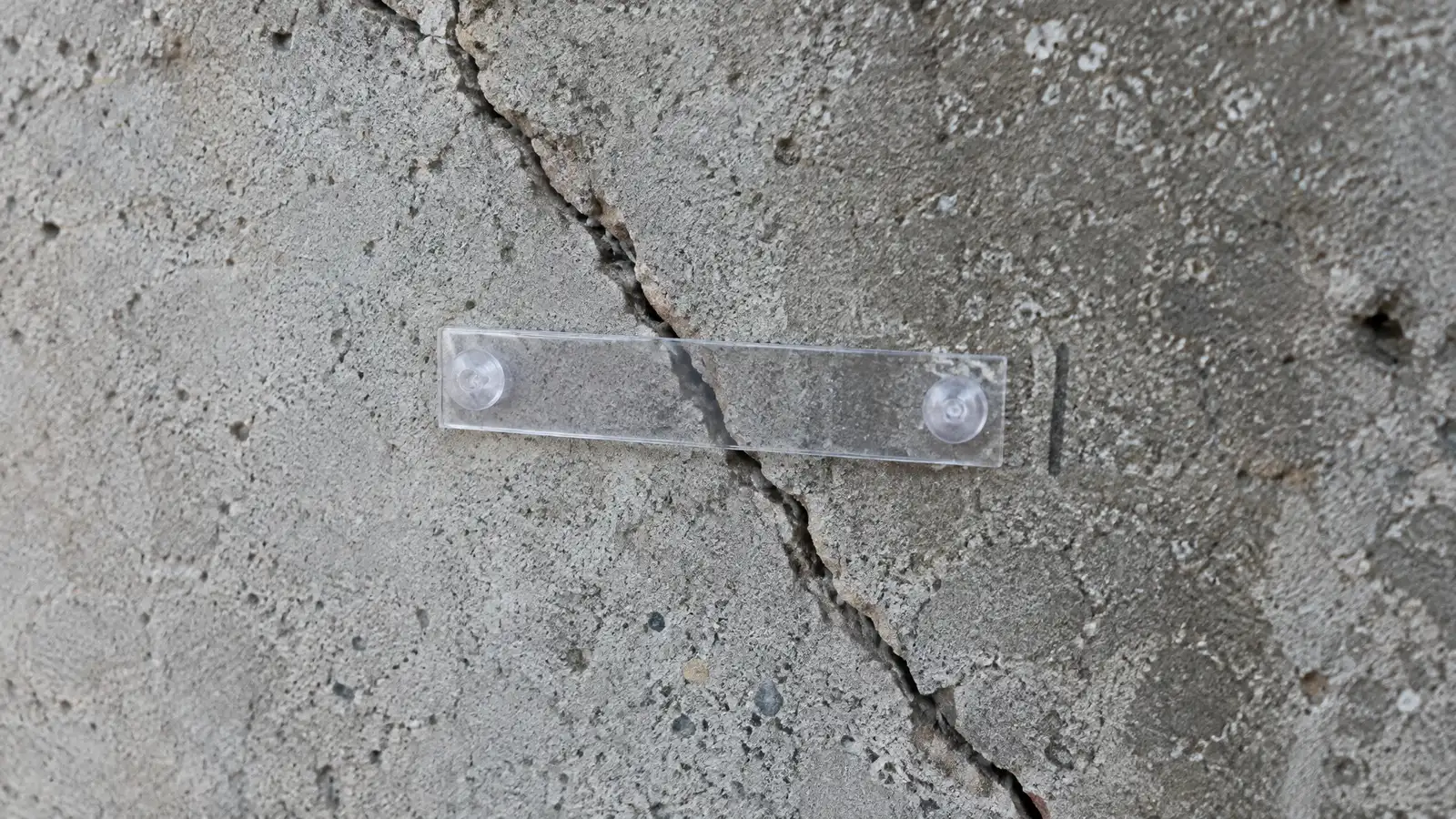
Many cracks are cosmetic shrinkage. The pattern, width and growth tell you which ones matter. Marking and monitoring is a good first step.
Fact: ignoring a growing crack is risky, and panicking over a hairline is not necessary.
A calm, measured response beats a rushed one. Measure, photograph and ask.
Myth: settling always stops
New houses settle a little, and some settling continues when soil keeps changing. Water, trees and soil type all play a part.
Fact: monitoring tells you whether movement has stopped.
Ask for evidence. Cause and measurements should back every recommendation.
Myth: drainage is a separate issue
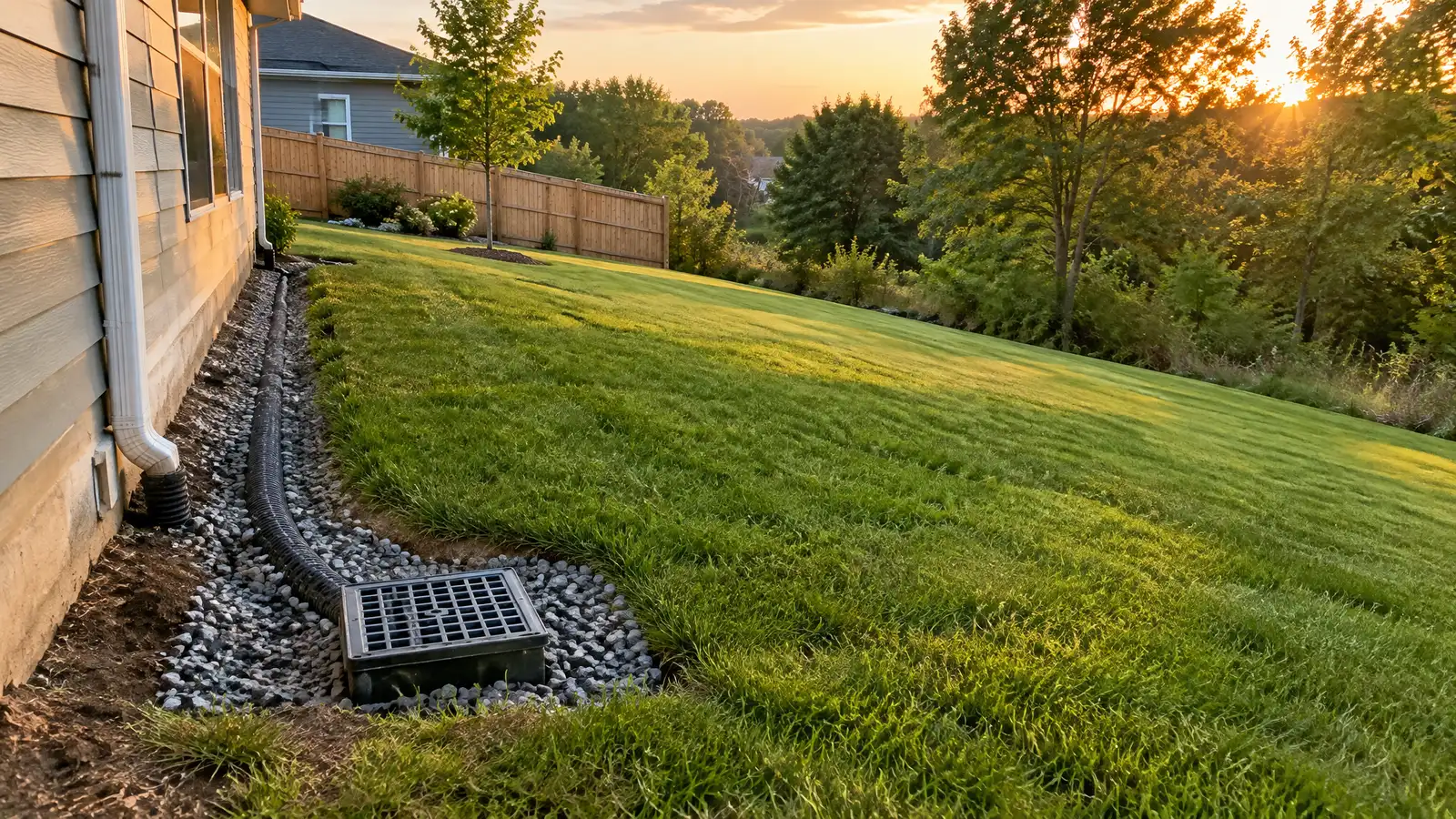
Water control is part of foundation care. Gutters, grading and drains reduce soil movement and moisture, and they protect any repair.
Fact: many foundation problems are water problems first.
Handle water first and watch what changes. Sometimes that is all that is needed.
Myth: bigger repairs are better
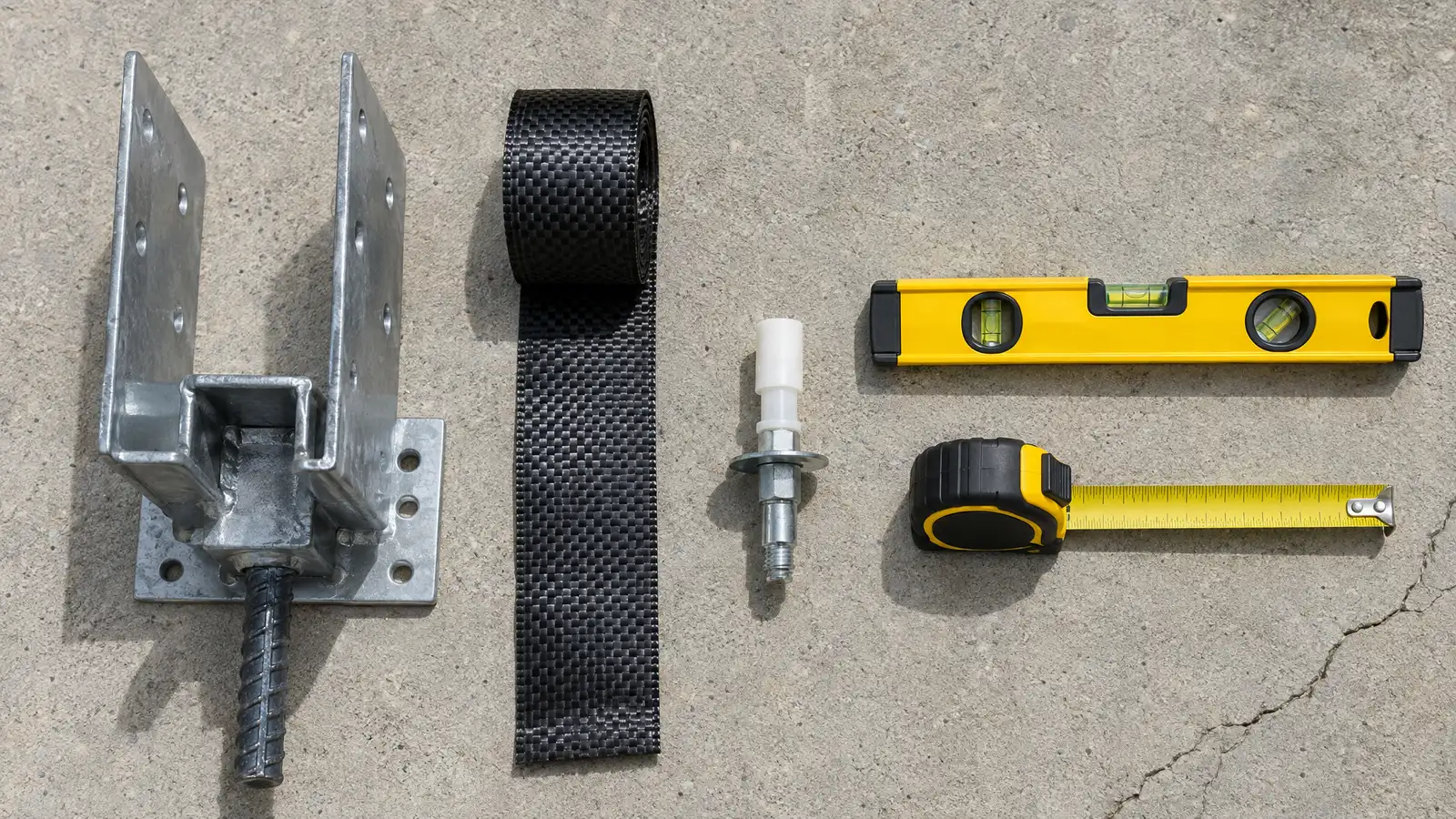
The right repair fits the cause. A drainage fix may solve a problem that piers would only mask, and piers may be needed when soil cannot carry the load.
Fact: scope should match evidence.
Ask for the reasoning behind each item in the scope. A good company explains it.
Myth: the lowest quote saves the most
A low quote that leaves out parts of the job can cost more later. Compare causes, methods, quantities and inclusions.
Fact: written scopes make fair comparison possible.
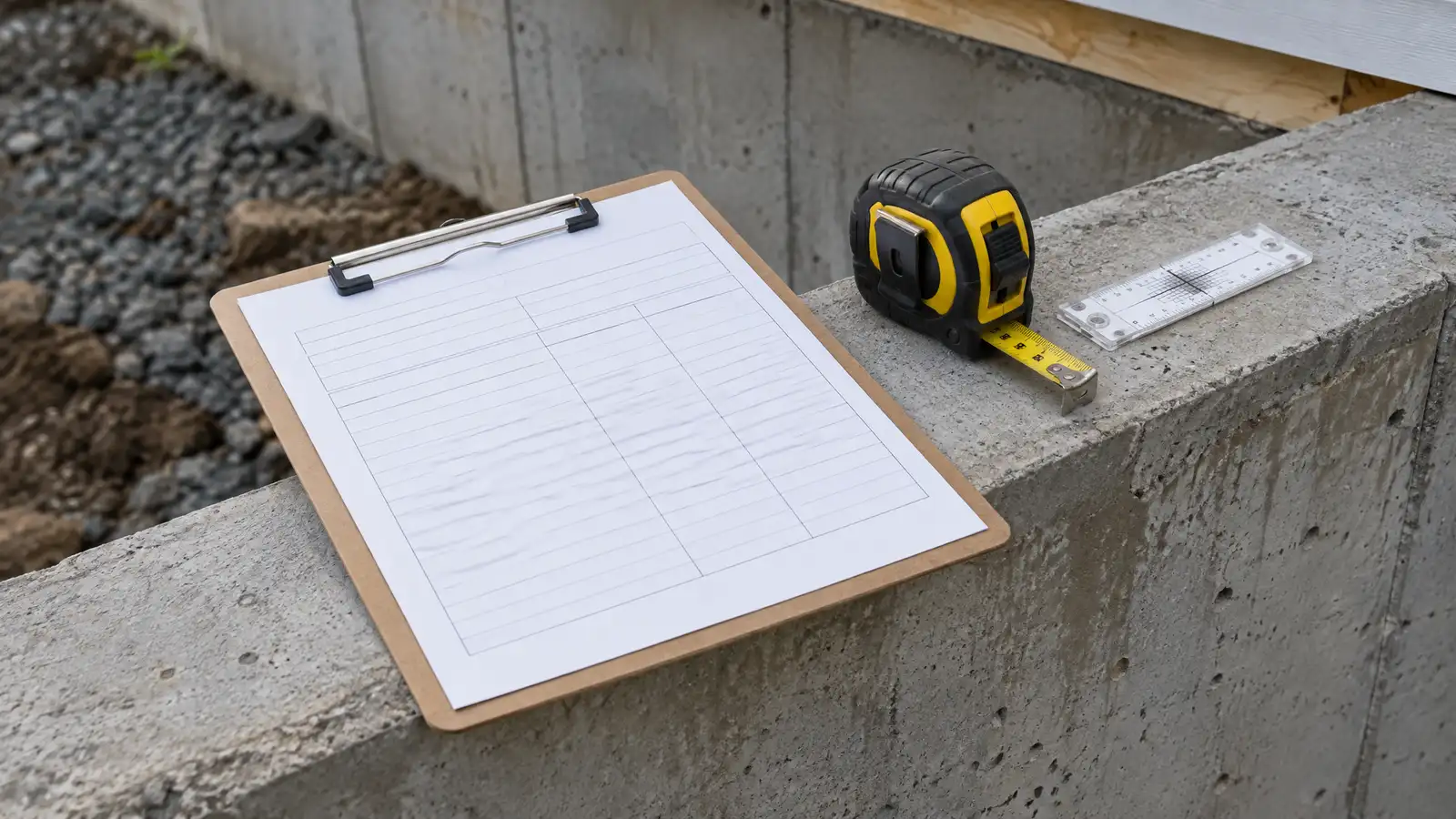
Use a table or our scorecard to compare scopes fairly.
Treat cracks as clues, treat water as part of the foundation and compare scopes, not slogans.